Finding an effective white canvas shoe whitener helps keep sneakers looking fresh, prevent yellowing, and extend their lifespan. The following selections are among the most popular options for canvas, leather, and mixed-material sneakers, delivering fast results, easy application, and lasting coverage. This guide highlights five reliable products, their standout features, and how to choose the right whitener for your footwear needs.
| Brand | Product | Key Benefit |
|---|---|---|
| Tarrago | Tarrago Super White | High-pigment, single-application coverage for leather, canvas, and TEX materials |
| KIWI | KIWI Shoe Whitener | Advanced polymer formula for even, streak-free whiteness |
| COZGO | COZGO White Shoe Polish | Powerful, fast-acting formula with wide sponge for quick restoration |
| Wilkins | Wilkins Sneaker Whitener | Wide sponge applicator for fast coverage and scratch/scuff concealment |
| Eagle | Eagle Sneaker Whitener 2 Pack | Two formulas with built-in sponge tips for overall brightening and deep scuffs |
Choosing the right product depends on the material, the extent of yellowing, and how often you clean your footwear. This article examines five dependable options, their application methods, and the benefits they offer for white canvas and other materials.
Tarrago Super White – All-P purpose White Whitener

Tarrago Super White is a self-applied whitening cream designed to correct color defects on leather, canvas, and synthetic materials. It comes with a 75ml sponge for even coverage and claims not to stain once dry. The pigment-rich formula aims to restore whiteness in a single application, making it suitable for old or faded sneakers. Note that Tarrago’s formula is not recommended for suede or nubuck, so fabric and leather users should verify compatibility with their shoe type before application. Application steps emphasize drying time and sponge care to prolong usability.
KIWI Shoe Whitener – White Leather, Canvas, and More
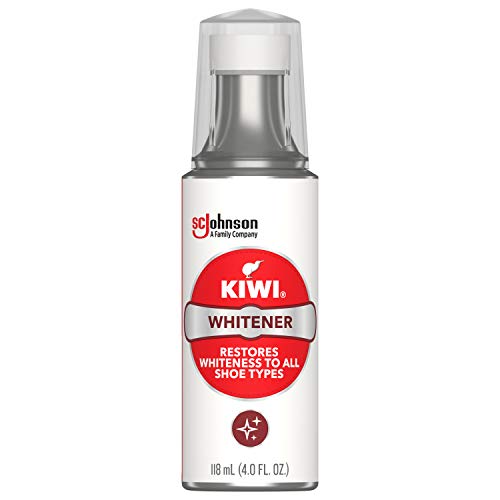
KIWI’s White Shoe Whitener is formulated to cover white leather, canvas, nylon, and other common sneaker materials. The product emphasizes an advanced polymer formulation that helps prevent streaks and chalky residues, delivering a clean, even whiteness. The compact design and sponge applicator simplify daily upkeep for white sneakers and light-colored leather items, making it a versatile option for households with mixed-material footwear.
COZGO White Shoe Polish – Quick Restore

COZGO offers a powerful white shoe whitener with a wide, soft sponge applicator for broad coverage. The formula emphasizes quick restoration of yellowed uppers and can also conceal scratches and scuffs that typical cleaners cannot remove. It is positioned as a versatile option for canvas, leather, mesh, and other common sneaker materials, with emphasis on rapid results and durable whitening. Users can expect a broad-reaching finish that reduces the need for frequent touch-ups.
Wilkins Sneaker Whitener – Fast Coverage

Wilkins Sneaker Whitener features a wide, soft sponge applicator atop the bottle to cover large areas quickly, helping restore yellowing sneakers efficiently. The formula is described as a three-in-one solution—restoring whiteness, concealing scratches and scuffs, and refreshing white leather or fabric surfaces. With simple per-application steps, Wilkins aims to minimize labor while delivering visible whitening results on canvas, leather, foam, and rubber components.
Eagle Sneaker Whitener – 2 Pack for Total Care

Designed as a two-pack kit, Eagle Sneaker Whitener provides two formulas: one for overall brightening and another thicker formula for deep scuffs. Each has built-in sponge tips to simplify targeted or broad coverage. This dual-formula approach supports versatile whitening across leather, canvas, mesh, foam, and rubber. The kit is intended for users seeking a comprehensive whitening routine with options for handling different types of marks and wear patterns.
Buying Guide: Key Purchase Considerations
- Material compatibility: Check whether the whitener is suitable for canvas, leather, fabric, or mixed-material sneakers. Some formulas specify suede or nubuck exclusions.
- Coverage and application method: Wide sponge applicators can speed up large-area whitening, while built-in precision tips help with spots and scuffs. Consider a product offering both options if you have varied needs.
- Pigment strength and drying time: High-pigment formulas restore whiteness in a single application, but they may require careful sponge handling to avoid streaks. Look for fast-drying options to minimize downtime.
- Durability: Long-lasting whiteness reduces the frequency of reapplication. Some products promise durable coverage after a single coat, while others emphasize reapplication for best results.
- Ease of use: Squeeze or spray mechanisms, easy cap resealing, and clear drying instructions affect daily usability, especially for casual users.
- Scuff and scratch coverage: If your sneakers accumulate scrapes, select a whitener marketed to conceal scratches in addition to whitening.
- Color transfer risk: Some products claim no color transfer once dry. This can be important for white sneakers that interact with darker socks or surfaces.
- Brand availability and scent: Some brands emphasize neutral or no-scent formulas, which may be preferable for indoor use.
- Maintenance routine: Consider how often you clean your sneakers and whether you want a multi-purpose product that also acts as a protector or conditioner.
When choosing a white canvas shoe whitener, balance the level of whitening you need with ease of application and the type of footwear you own. For frequent use on canvas sneakers, a product with a wide sponge applicator and high pigment may deliver faster, more even results. If you own leather or mixed-materials, select a formula designed to handle both surface types with minimal risk of staining or residue. Always test a small area first and follow manufacturer directions for best results.