Removing rust stains from ceramic tile requires products that bite into mineral deposits without harming the glaze. The following picks focus on rust, lime, and hard-water deposits commonly found in bathrooms and kitchens. Each option is designed to cling to vertical or hard-to-reach surfaces, dissolve stains, and minimize scrubbing. Use as directed and test on a small area first to ensure compatibility with your tile finish.
| Product | Brand | Key Benefit |
|---|---|---|
| CLR Brands Calcium, Lime & Rust Remover (22 oz) | CLR Store | Multi-surface cleaner that tackles rust and lime deposits on ceramic tiles |
| Rust-Oleum Whink Rust Stain Remover (32 oz) | Rust-Oleum Store | No-scrub formula for iron and rust stains on white sinks and toilets |
| Iron OUT Rust Stain Remover Spray Gel (24 oz) | IRON OUT Store | Heavy-duty gel that clings to surfaces for hard-to-reach stains |
| CLR Brands Calcium, Lime & Rust Remover with Cling (22 oz) | CLR Store | Cling technology for staying power on vertical surfaces |
| Rust Stain Remover Marble Cleaner Tile Rust Remover Granite Care Agent (500g) | Bmkousg Store | Versatile stone-friendly rust remover for tile, granite and marble |
CLR Brands Calcium, Lime & Rust Remover (22 oz) Pack

CLR’s Calcium, Lime & Rust Remover is designed to dissolve tough deposits from a variety of surfaces, including ceramic tile. The product is marketed as fast-acting and multi-surface, making it a versatile choice for bathrooms and kitchens. When used on ceramic tile, apply to the stained area, let stand briefly, and rinse to check for stain removal. Always follow label directions and ventilate the area during use.
Rust-Oleum Whink Rust Stain Remover (32 oz)

Whink Rust Stain Remover is formulated to eliminate stubborn iron and rust stains from white fixtures, similar materials, and textiles. Its no-scrub approach is appealing for tile surfaces because it works with minimal agitation. The product claims a low-odor profile, making it suitable for smaller bathrooms. Always test on a hidden area first to ensure safety on glazed ceramic tile.
Iron OUT Rust Stain Remover Spray Gel (24 oz)

Iron OUT’s rust remover gel is designed to cling to vertical surfaces and reach stains in corners and crevices. It’s a long-standing, heavy-duty option used across bathrooms, kitchens, and laundry areas. The gel formula helps minimize dripping and often reduces scrubbing effort. Follow directions for contact time and rinse thoroughly to prevent residue on tile surfaces.
CLR Brands Calcium, Lime & Rust Remover with Cling (22 oz)
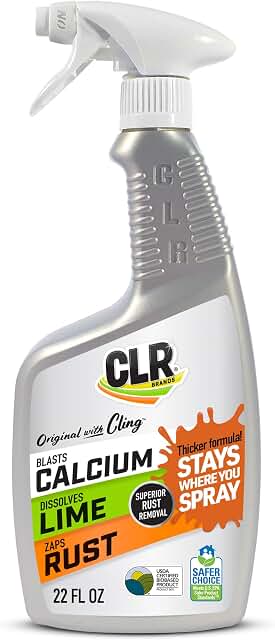
This CLR product adds cling technology to help it stay in place on vertical or challenging surfaces, improving contact time with rust and hard-water deposits on tile. It is intended for fast, effective cleaning with less dripping, making it suitable for walls and backsplashes near tile. Always ventilate and use gloves when handling chemical cleaners.
Rust Stain Remover Marble Cleaner Tile Rust Remover Granite Care Agent

This stone-care oriented rust remover targets tile, granite, marble, and other stone surfaces. It emphasizes compatibility with natural stone finishes while delivering rust stain removal. Users should follow the included guidelines for stone care, including testing on a small, inconspicuous area and avoiding prolonged contact that could affect sealants or polish.
Buying Guide: Key Considerations For Removing Rust From Ceramic Tile
- Surface compatibility: Ceramic tile is usually glaze-protected, but some cleaners can be harsh or affect grout. Look for products specifically noting tile compatibility and stone-safe options if you have tiled countertops or backsplashes near stone.
- Stain type and severity: Iron rust stains, mineral buildup, and lime deposits respond differently. Gel formulas help with vertical surfaces; liquid formulas cover broader areas; cling technology improves adherence on vertical tiles.
- Contact time: Many rust removers require brief dwell time to break down mineral deposits. Do not let cleaners dry on tile; rinse thoroughly to prevent residue and possible slip hazards.
- Ventilation and safety: Use in a well-ventilated area. Wear gloves and eye protection, especially for concentrated formulas. Check for any labeling about septic systems if applicable.
- Application method: For hard-to-reach stains, consider products designed to cling or to stay put on vertical surfaces. Apply with sponge or cloth as directed, and use soft brushes for grout lines if needed.
- Alternatives and prevention: Regular cleaning with a mild acidic cleaner can prevent mineral buildup. After rust removal, reseal or regrout lightly to protect surfaces and reduce future staining.
- Environmental and local considerations: Some products are formulated to be septic-safe. If you have pets or young children, choose low-odor or lower-toxicity options and ensure proper ventilation during use.
- Storage and disposal: Store in a cool, dry place. Dispose of chemical cleaners per local regulations. Do not mix cleaners unless the product instructions permit it, as dangerous fumes can occur.