For households seeking low-waste kitchen routines, zero-waste dishwashing options offer a practical path to reduce plastic and chemical footprints. This article highlights five top products designed to deliver effective cleaning while minimizing environmental impact. Each choice is evaluated on plastic-free packaging, concentrated formulas, and overall performance to help you select the best fit for your dishwasher routine.
| Product | Format | Key Benefit |
|---|---|---|
| BLUELAND 60 Count Plastic-Free Tabs | Tablets | Plastic-free, powerful cleaning |
| SIMPLUT Zero Waste Dish Soap Bar | Solid Bar | Plastic-free packaging |
| If You Care Dishwasher Tablets | Tablets | Plant-based, quick-dissolving |
| No Tox Life Dish Block | Dish Block | Plastic-free, palm-oil-free |
| Molly’s Suds Dishwasher Pods | Pods | Cruelty-free, residue-free |
These products represent a spectrum from compact tablets to solid dish soaps, all designed to reduce plastic use and environmental impact. The following sections provide concise overviews of each option, followed by a practical buying guide to help you compare performance, packaging, and sustainability claims.
BLUELAND 60 Count Plastic-Free Dishwasher Detergent Tablets

BLUELAND’s dishwasher tablets are 100% plastic-free and designed to cut grease without harsh chemicals. The product emphasizes an eco-friendly approach with a 2x enzyme power lift and oxi stain-fighting action to tackle baked-on foods, coffee, tea, and wine stains. To use, drop a tablet into the main dishwasher dispenser and run as normal. This option aligns with a zero-waste kitchen by replacing plastic-wrapped pods with plastic-free tablets, while delivering a straightforward user experience.
SIMPLUT Zero Waste Dish Soap Bar

This product uses a solid, zero-waste dish soap bar designed to replace plastic bottles. The formula is all-natural, free from chemical residues, dyes, surfactants, artificial fragrances, and palm oil. Packaged in plastic-free material, the bar is crafted to reduce environmental impact while offering effective cleansing for dishes. The solid format reduces shipment weight and packaging waste, making it a practical option for households prioritizing plastic-free solutions without sacrificing cleaning power.
If You Care Dishwasher Tablets 40 Count

If You Care emphasizes plant-based, biodegradable tablets with mineral and plant-derived cleaning ingredients, including coconut and rapeseed. The tablets are designed to dissolve quickly and are free of phosphates and chlorine, with a water-soluble PVA film that reduces plastic waste. This option positions itself as a sustainable alternative to traditional powder and liquid detergents, aiming to lower transport emissions and energy use linked to packaging and handling.
No Tox Life Dish Block
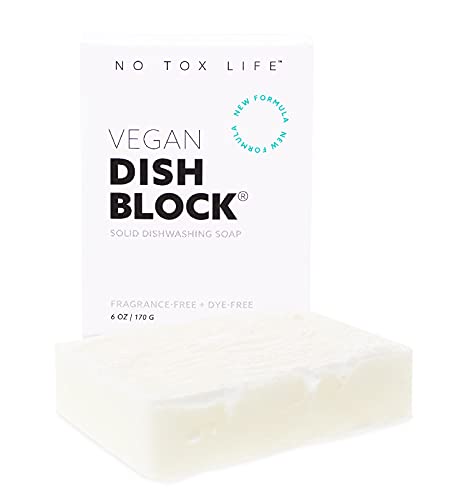
The No Tox Life dish block is a zero-waste, plastic-free option that emphasizes being dye-free and fragrance-free. This ultra-concentrated vegan dish soap lathers well and is designed to work in all water types, including hard and cold water. The product is packaged to minimize plastic use and is marketed as a sustainable alternative to bottled soaps while maintaining effective cleaning performance for dishes, pots, and pans.
Molly’s Suds Dishwasher Pods
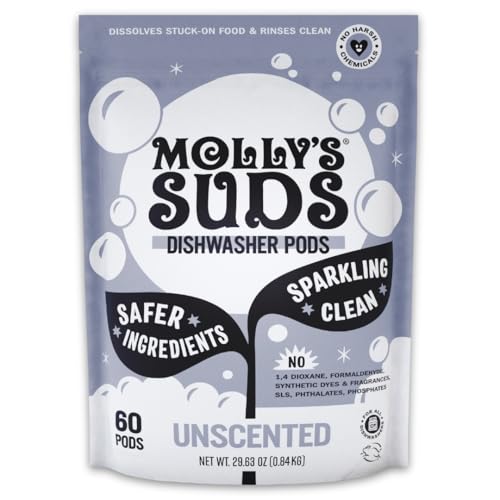
Molly’s Suds offers dishwasher pods designed to cut through grease and residue with a focus on residue-free rinsing. The pods are certified cruelty-free and are described as gentle on skin and surfaces. Each auto-release pod cleans a full load, making it a convenient zero-waste option for households seeking a balance of performance and ethical considerations, including being free from ethoxylates and unnecessary packaging waste.
Buying Guide: Key Purchase Considerations
When evaluating zero-waste dish detergents, consider the following dimensions to compare products effectively. This guide outlines how to assess packaging, performance, and compatibility with your dishwasher and water type.
- Packaging and plastic use: Prioritize products with plastic-free packaging or reusable tins. Consider whether the packaging itself is recyclable or compostable.
- Form and dosage: Tablets vs bars vs pods affect storage and handling. Bars often reduce packaging waste, while tablets can offer precise dosing. Check whether the product requires pre-dissolving or works directly in the dispenser.
- Grease and stain performance: Look for enzyme power, oxi stain-fighting action, or plant-based cleaning agents. Assess how well each option tackles common kitchen soils like coffee, tea, and oil.
- Water type compatibility: Some formulas are optimized for hard water or cold water. If you have hard water, seek a product noted to perform well in such conditions.
- Environmental footprint: Compare certifications (e.g., USDA biobased, cruelty-free) and the presence of palm oil-free or vegan formulations.
- Cost and availability: While prices aren’t listed here, consider how many loads a package covers and how often you’ll restock to estimate ongoing costs.
- Compatibility with dishwasher model: Ensure the product is suitable for standard dishwashers and does not require special handling or minimal water parameters.
- Residue and aftertaste: Some users report film or residue; look for products advertised as residue-free and compatible with glassware.
Choosing the right zero-waste dish soap solution depends on your priorities—whether you value minimum packaging, plant-based ingredients, or the convenience of ready-to-use tablets. The options listed above provide a spectrum of formats and sustainability claims to fit different kitchen practices while maintaining effective dish cleaning.