Tile surfaces can attract stubborn rust stains from hard water, iron exposure, or plumbing issues. The following selections represent highly rated rust stain removers that are effective on tile while offering safety and ease of use. This guide highlights five options with different approaches—gel formulas, spray cleaners, and heavy-duty removers—so you can choose the best fit for bathrooms, kitchens, and laundry areas.
| Product | Brand | Type | Notes |
|---|---|---|---|
| CLR Brands Calcium, Lime & Rust Remover | CLR | Spray | Multi-surface; fast action |
| Iron OUT Rust Stain Remover Spray Gel | IRON OUT | Gel Spray | Clings to surfaces; heavy-duty |
| Rust-Oleum Whink Rust Stain Remover | Rust-Oleum | Liquid | Works on sinks, toilets, carpets |
| FILA Surface Care NO Rust Rust Stain Remover | FILA | Liquid | Non-acidic; fast acting |
| Bmkousg Rust Stain Remover Marble Cleaner Tile Rust Remover | Bmkousg | Stone-safe | Granite, marble, tile surfaces |
CLR Brands Calcium, Lime & Rust Remover

CLR Calcium, Lime & Rust Remover is a versatile cleaner designed for a range of surfaces, including ceramic tile, porcelain, and concrete. It quickly targets calcium, lime, and rust deposits, helping restore the look of tiled bathrooms and kitchens. The formula claims fast-acting results that also shine fixtures and countertops touched by mineral buildup.
Key considerations for tile use: follow label directions, test a small inconspicuous area first, and avoid prolonged exposure on sealed stone or polished marble. While effective on rust, use caution on sensitive finishes and read safety cautions before applying.
Iron OUT Rust Stain Remover Spray Gel

IRON OUT offers a gel-based cleaner that clings to vertical surfaces and hard-to-reach areas like tile edges, showers, and tubs. The product is marketed as heavy-duty and designed to dissolve rust stains on contact without heavy scrubbing. It is described as septic-friendly when used as directed and suitable for various surfaces, including porcelain, fiberglass, and tile.
Tips for tile use: apply gel to the stained area, allow contact time per instructions, then rinse thoroughly. For porous grout lines, consider a second application if stains persist. Always ventilate the area and wear gloves during use.
Rust-Oleum Whink Rust Stain Remover (32 oz)

Rust-Oleum Whink is a heavy-duty rust stain remover designed for white sinks and toilets, but it also offers utility on tile surfaces where rust appears. The formula is described as fast-acting, with a focus on breaking down iron and rust stains without aggressive scrubbing. The product is marketed as having low odor and septic-system friendliness, making it a practical option for bathrooms and laundry areas.
Usage guidance: apply, allow time for the stain to release, then rinse. Avoid contact with colored fabrics for extended periods, and perform a spot test before applying to large tiled areas.
FILA Surface Care NO Rust Rust Stain Remover

FILA NO Rust is a non-acidic formula designed to remove rust stains while being gentle on polished marble and other delicate stone surfaces. The quick-acting solution claims to remove stains in about 15 minutes, which can be beneficial for quick tile cleaning in kitchens and bathrooms. It is especially relevant for areas with sensitive stone finishes where acidic cleaners might cause etching.
Practical notes: test first on a small area, avoid mixing with other cleaners unless recommended, and ensure tiles are dry before applying again if needed. This option is favorable for stone-backed or high-gloss tile installations where acid-based cleaners are not desirable.
Bmkousg Rust Stain Remover Marble Cleaner Tile Rust Remover
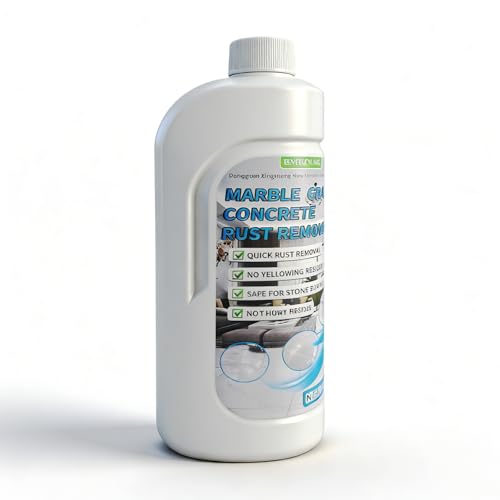
Bmkousg offers a rust remover designed for marble, granite, tile, and other stone surfaces. The formula emphasizes compatibility with natural stone finishes and includes usage instructions that suggest a brief dwell time followed by gentle scrubbing. It targets rust caused by oxidation and metal pollution while aiming to protect surface gloss.
Tile-specific considerations: a stone-safe approach is essential to avoid dulling or etching. Always test in a discreet area and rinse thoroughly to remove any residue that could attract dirt or affect grout lines.
Buying Guide: Key Purchase Considerations
- Surface compatibility: Choose a formula safe for tile and, if you have stone such as marble or travertine, prefer non-acidic or stone-safe options to prevent etching or dulling.
- Stain type and strength: Rust on tile is often iron-based; consider whether you need fast-acting gel, a spray, or a heavy-duty liquid to tackle tough deposits.
- Application and dwell time: Some products require brief dwell times (e.g., 15 minutes), while others may need longer exposure. Follow label directions to maximize effectiveness and minimize surface damage.
- Vertical vs. horizontal surfaces: Gel-based or cling formulas can be more effective on vertical tile surfaces and grout lines where rust tends to cling.
- Septic and environmental considerations: If you have a septic system, look for products explicitly labeled septic-friendly. Also, consider low-odor and biodegradable formulations where possible.
- Safety and protection: Use gloves and eye protection, ensure good ventilation, and test on a small hidden area before applying to visible tile sections.
- Grout care: Rust stains can linger in grout. In some cases, repeated applications or a dedicated grout cleaner may be necessary after removing surface rust.
- Non-stone surfaces: For ceramic or porcelain tiles without stone finishes, you may opt for stronger, fast-acting cleaners, but always confirm compatibility with the tile type to avoid damage.
These options reflect a range of approaches to rust staining on tiles, from safe, stone-friendly cleaners to more aggressive formulations designed for rapid debris removal. When selecting a product, balance the stain severity, tile type, and any surrounding materials to ensure a clean, undamaged finish.