Answering the core question, yes—bleach can kill shower mold on many non-porous surfaces when used correctly. This guide compares top bleach-based mold removers, explaining who each product is best for, and where to use them. It’s ideal for homeowners, renters, and cleaning enthusiasts seeking quick, evidence-based choices for bathroom mold control. The following table highlights five commonly available options and their intended uses, helping you choose the right product for your tile, grout, and shower surfaces.
| Product | Brand | Best For | Key Benefit |
|---|---|---|---|
| Lysol Mold & Mildew Remover Spray | Lysol | Rigid bathroom surfaces with mildew buildup | Disinfects while whitening; helps prevent regrowth |
| Clorox Plus Tilex Mold & Mildew Remover | Clorox | Heavy mold/mildew on tiles and grout | Kills 99.9% of mold and mildew |
| RMR DIY Mold & Stain Remover Bundle | RMR Brands | Stubborn stains and roots; mold-prone areas | Two formulas target stains and prevent regrowth |
| Scrubbing Bubbles Foaming Bleach Cleaner | Scrubbing Bubbles | Soap scum-heavy showers | Foaming action clings to surfaces |
| Tilex Mold & Mildew Remover Spray (16 oz) | Tilex | Mold on grout and tiles | Bleach-powered removal, non-scrub approach |
Lysol Mold & Mildew Remover Spray

The Lysol product is a bleach-based spray designed to destroy mold, mildew, and soap scum on bathroom surfaces. It also acts as a disinfectant, killing 99.9% of germs that may lead to illness. The formula is advertised to prevent regrowth by addressing mold at the source. Best for: bathrooms with persistent mildew on tile, fiberglass, or enamel surfaces. Limitation: use on non-porous surfaces; avoid porous materials where bleach penetration is limited.
Clorox Plus Tilex Mold and Mildew Remover

This spray leverages Clorox bleach to kill mold and mildew on a range of surfaces. It claims to eliminate 99.9% of mold and mildew and tackles stains on hard, nonporous materials. Best for: larger shower areas with visible mold plus stained grout lines. Limitation: bleach-based products can discolor or degrade some surfaces over time; test on a hidden area first.
RMR DIY Mold & Stain Remover Bundle

The RMR bundle combines two fast-acting formulas: one designed to kill mold and mildew instantly and lift tough stains, and another to target stubborn residues. Best for: bathrooms with deep-set mildew and stained grout or tiles. Limitation: multiple products may require switching between formulas for optimal results, which can add steps to your cleaning routine.
Scrubbing Bubbles Foaming Bleach Cleaner

The Scrubbing Bubbles foaming cleaner uses a bleach-based formula to erase mold and mildew stains and soap scum with a clinging foam that covers vertical surfaces. Best for: showers with heavy soap scum and mildew buildup, where foam can reach grout lines. Limitation: foaming action may overspray onto non-target surfaces; follow directions for ventilation and contact time.
Lysol Mold and Mildew Remover (2-Pack)

This two-pack option provides extended coverage for multiple bathrooms or larger shower zones. It uses a bleach-boosted formula to break down grime, disinfect, and whiten surfaces. Best for: households with several bathroom areas needing routine upkeep. Limitation: bleach odor and potential surface sensitivity require good ventilation and a patch test on colored materials.
MOLD ARMOR Professional Mold Kill & Control
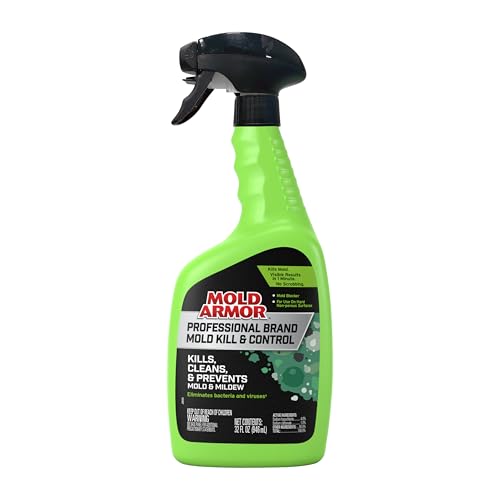
MOLD ARMOR focuses on killing and cleaning mold on hard, non-porous surfaces and claims quick visible results without scrubbing. Best for: quick, low-effort sessions on laminate, sealed grout, stainless steel, and plastic surfaces. Limitation: designed for non-porous surfaces; porous materials may require different approaches for mold control.
Tilex Mold & Mildew Remover Spray (Tilex 16 oz)

Tilex uses Clorox bleach to remove mold and mildew with a no-scrub approach, reaching into hard-to-clean areas using Smart Tube technology. Best for: tile and grout where odor and staining are concerns. Limitation: may require repeated applications for deeply embedded mold; bleach can affect some materials—test first.
Lysol Power Foaming Bathroom Cleaner
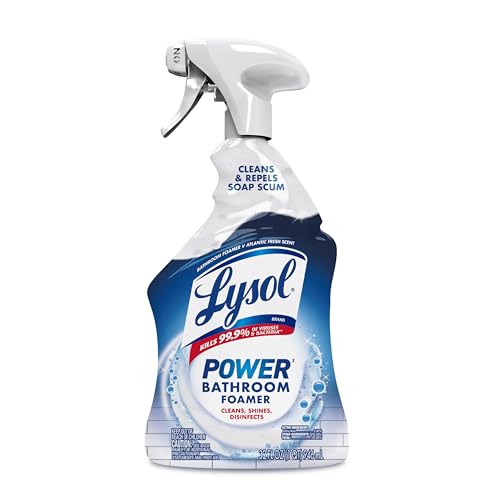
Lysol Power Foaming Cleaner focuses on bathroom surfaces with no-bleach formula and dense foam to lift soap scum and everyday dirt while sanitizing. Best for: routine maintenance and daily cleaning where a non-bleach option is preferred. Limitation: not all-protective against heavy mold growth compared with bleach-based products.
Buying Guide
- Surface compatibility: Bleach can damage colored fabrics, certain metals, and porous materials. Test a small area first and follow label instructions.
- Severity of mold: For visible, entrenched mold on tile and grout, stronger bleach-containing formulas often perform better; for light mildew, milder cleaners may suffice.
- Disinfection vs. cleaning: Some products disinfect as well as clean; others focus primarily on stain removal. Consider whether sanitization is a priority in your space.
- Ventilation and safety: Bleach products require good ventilation. Wear gloves and avoid mixing with ammonia or other cleaners.
- Application method: Look for spray vs. foam formats, and whether the product clings to vertical surfaces for easier use on showers.
- Volume and coverage: Larger homes or multiple bathrooms may benefit from multi-pack options to ensure continuous supply.
FAQ
- Does bleach kill all mold types? Most household bleach products kill mold on non-porous surfaces, but porous materials may harbor mold roots that require alternative treatments.
- Is bleach safe for grout? Bleach can discolor or weaken some grout over time; test first and rinse thoroughly after use.
- Should I use a non-bleach cleaner instead? For sensitive surfaces or persistent odors, a non-bleach option might be preferable while still controlling mildew.
- How often should I treat bathroom mold? Regular cleaning and periodic treatment prevent regrowth, especially in damp climates or after prolonged moisture exposure.
- Can I mix cleaners? No—mixing bleach with ammonia or other cleaners can release dangerous gases and should be avoided.
- What’s the best practice for odor? Ventilate well during and after cleaning and consider finishing with a fresh-smelling, non-irritating product if odors linger.