Answer: For rust and hard-water staining, choose products that aggressively dissolve mineral buildup, cling to the bowl, and are safe for septic systems. This guide highlights five top options that target rust, lime, and mineral deposits, plus practical buying tips for common bathroom setups. Ideal buyers include homeowners needing rust removal, renters seeking strong stain control, and those with septic systems or sensitive plumbing concerns.
Summary Of Chosen Products
- Lysol Lime & Rust Toilet Bowl Cleaner Liquid (2 Pack) — best for deep rust and mineral buildup in busy households.
- Zep Acidic Toilet Bowl Cleaner (32 Oz) — best for heavy rust and mineral deposits in stubborn lines.
- Lysol Lime & Rust Remover Toilet Bowl Cleaner (48oz) — best for large-capacity cleaning with rust focus.
- Clorox Toilet Bowl Cleaner Heavy-Duty Gel — best for fast, clingy coverage on tough stains without bleach.
- Rust-Oleum Rust Stain Remover — best for rust-specific staining in white and colored toilets.
Lysol Lime & Rust Toilet Bowl Cleaner Liquid
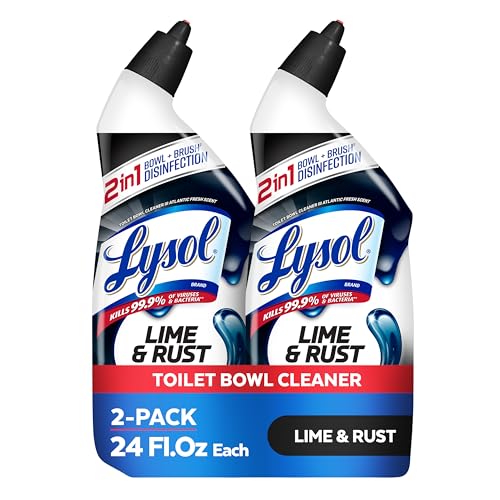
Product features include a powerful formula that breaks down lime, rust, toilet rings, minerals, and hard-water stains, plus a clingy gel that adheres under the rim for deep cleaning. It kills 99.9% of germs when used as directed and helps deodorize and sanitize the toilet bowl. This option is best for households needing consistent rust control and sanitization with less scrubbing. A potential limitation is the gel’s effectiveness can depend on water hardness and the level of buildup over time.
Best for: Frequent rust and mineral stain battles in residential bathrooms; households prioritizing disinfection along with stain removal.
Zep Acidic Toilet Bowl Cleaner

Key detail: Zep’s acidic cleaner is designed to tackle tough mineral buildup and rust with a potent formula. The product line notes its QT PRO system with strong acidic action, making it a solid pick for severe staining or older toilets prone to mineral deposits. Use with caution on septic systems and follow container directions. The main caveat is the concentrated acidity may require careful handling and ventilation during use.
Best for: Heavily stained toilets or areas with longstanding mineral deposits; situations where aggressive cleaning is acceptable and vented bathrooms are available.
Lysol Toilet Bowl Cleaner, 24 Ounces (Atlantic Fresh Scent)

This Lysol variant emphasizes killing 99.9% of bathroom viruses and bacteria when used as directed, with a thick, clinging gel that coats the bowl and rim to power through tough stains and rings. The angled bottle design helps reach tricky areas. It’s best for households needing quick, broad sanitizing along with stain removal, particularly where odor control is valued. A limitation is the scent may be too strong for sensitive individuals.
Best for: Bakeries, apartments, or homes requiring reliable sanitation plus stain removal in a single step; bathrooms that benefit from a long-lasting gel coating under the rim.
Clorox Toilet Bowl Cleaner Heavy-Duty Gel

Clorox’s heavy-duty gel is bleach-free and designed to cling under the rim for up to 70% longer than standard gels, coating stains for an easy one-and-done clean. The product emphasizes fast action, with grime dissolving quickly to leave a sparkling bowl with minimal scrubbing. The trade-off is the absence of bleach, which can influence stain removal speed on very persistent mineral buildup compared with bleach-based variants.
Best for: Quick, thorough cleans in homes with sensitive plumbing or septic systems that prefer a non-bleach formula; users who want extra cling and a shorter cleaning cycle.
Rust-Oleum Rust Stain Remover
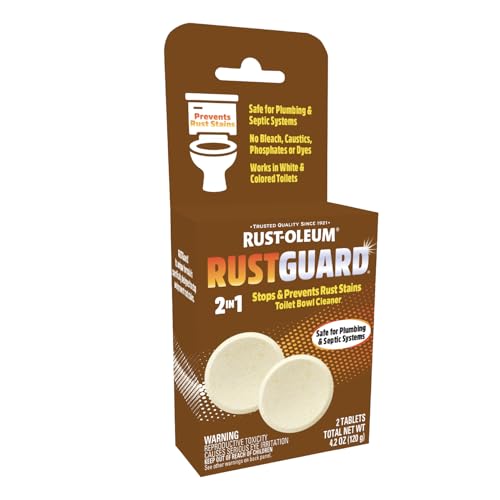
Rust-Oleum’s stain remover targets stubborn rust and is marketed for use in both white and colored toilets. It’s positioned as a heavy-duty option for rust removal with a focus on keeping toilets free from rust buildup after every flush. One limitation is that results can vary based on the extent of rust and water hardness; periodic treatments may be necessary for stubborn stains.
Best for: Toilets with ongoing rust buildup that require a dedicated rust-focused cleaner; households with both white and colored porcelain that need versatile stain control.
Iron OUT Automatic Toilet Bowl Cleaner Tablets

Iron OUT tablets provide rust prevention with every flush, lasting up to 45 days per tablet. They are designed to prevent new rust stains and hard water deposits, offering a long-term approach to rust control. The method requires placing tablets in the toilet tank and may require prior bowl cleaning to remove existing rust; some users may prefer a quick spray or gel for existing buildup.
Best for: Long-term rust prevention in homes with recurring rust issues; users seeking maintenance that minimizes manual scrubbing between cleanings. A limitation is the need to place tablets in the tank, which may be less convenient for renters or those wary of in-tank cleaners.
Buying Guide: Key Considerations For Rust And Mineral Stains
- Stain focus: Decide whether your primary issue is rust, lime, hard-water stains, or mineral buildup. Rust-targeted products (Rust-Oleum, Iron OUT) excel on iron deposits, while acidic or chlorine-containing formulas tackle mineral scale.
- Cling and coverage: Look for thick gels or clinging formulas that reach under the rim and coat the bowl for complete contact with stains.
- Coverage volume: Larger bottles or two-pack options suit high-traffic bathrooms or households with multiple toilets needing regular cleaning.
- Safety and compatibility: Check septic-system suitability and surface compatibility (porcelain vs. coated surfaces). Bleach-free formulas reduce corrosion concerns on certain plumbing components.
- Maintenance style: Decide between stand-alone gels, in-tank tablets, or automatic cleaners based on your preferred cleaning cadence and ease of use.
- Aroma and odor control: If odor is a consideration, choose products marketed for deodorizing in addition to stain removal.
FAQ
- What makes a cleaner “rust-focused”?
Rust-focused cleaners are formulated to dissolve iron-based stains and inhibit mineral buildup that forms rust in toilets, often using targeted acids or rust-removal agents.
- Should I use a gel or a spray for rust stains?
Gels cling to the bowl and under the rim, delivering longer contact time. Sprays can be useful for spot cleaning, but gels generally remove stains more effectively in hard-to-reach areas.
- Are in-tank tablets safe for septic systems?
Many are designed with septic-safety in mind, but always verify product packaging and follow dosage instructions to minimize impact on septic components.
- Can I mix products if one doesn’t remove rust completely?
It’s best to avoid mixing cleaners, as chemical interactions can create fumes or residues. Use one product at a time and follow the directions.
- How often should I use rust-removal products?
Frequency depends on water hardness and rust buildup. For ongoing issues, a routine monthly or bi-monthly treatment is common, with stronger treatments used for severe staining.
- Do these products require ventilation?
Yes. Use in a well-ventilated area and avoid mixing cleaners with ammonia or bleach-based products to prevent harmful fumes.