Finding the right pressing cloth can simplify ironing and protect delicate fabrics. This guide highlights five top pressing sheets or sets that help prevent shine, scorch marks, and heat damage while smoothing seams and hems. Each option targets different needs—larger coverage for sewing studios, heat-resistant materials for synthetic fabrics, or transparent sheets for precise alignment. The selections below are suitable for various buyers, including home sewists, quilters, and professional designers seeking dependable fabric care during pressing.
Summary of chosen products:
- 2 Pcs Cotton Ironing Cloths (50×70 cm) – Best for standard, breathable protection
- Dritz 594 Sheer Press Cloth (22×30) – Best for when you need light protection and steam
- HunnmingRe 4 Types Pressing Cloths – Best all-in-one kit for diverse fabrics
- Bear Thread Applique Pressing Sheet (13×17) – Best for precise alignment and crafting
- SynHHergyx 2 PCS Pressing Cloths (31.4×15.7) – Best for large coverage and durable cotton
2 Pcs Cotton Ironing Cloths for Safe Pressing

Product overview: Two large cotton ironing cloths measure 50×70 cm each, providing ample coverage for garments, quilts, or sewing projects. Made from pure cotton fibers, these cloths distribute heat evenly and absorb excess moisture. The breathable material helps protect fabrics from high-temperature damage while preserving texture. This set is best for home sewers, hobbyists, and studios that routinely press larger items or multiple layers at once.
Best for: Home sewists and studio users who value a natural, workhorse fabric that is easy to wash and reuse. Choose this if you need broad coverage and a simple, breathable option for everyday ironing tasks.
Limitations: Pure cotton can crease; plan for occasional ironing of the cloth itself to maintain flatness. Not the best choice for high-gloss or ultra-thin synthetics where a more specialized sheet may perform better.
Dritz 594 Sheer Press Cloth

Product overview: A sheer, lightweight cloth designed to shield fashion fabrics from shine, scorch marks, and water spots. Suitable for use with steam and high iron temperatures. This cloth is particularly helpful when pressing delicate fabrics like silk, satin, or fabrics prone to heat damage. The sheer material allows visibility of the fabric while pressing, aiding accuracy.
Best for: People who press delicate fashion fabrics or fabrics with visible finishes that require protection from heat glare. Also useful for those who press with steam and want to monitor fabric color and texture during pressing.
Limitations: Not ideal for heavy-duty fabrics or high-heat work that requires a thicker barrier. May need to be replaced more frequently if used on rough surfaces or with coarse threads.
HunnmingRe 4 Types Pressing Cloth Set

Product overview: A versatile set including four cloths designed for different fabrics. This package covers mesh, PTFE, cotton, and silk organza, with ample sizes (up to 28×28 inches for the larger pieces). PTFE cloth handles temperatures around 400–450 °F, making it suitable for synthetic fibers and leather-like materials while reducing sticking. Cotton cloths provide deep ironing while absorbing moisture, helping to maintain fabric texture.
Best for: Buyers who deal with a variety of fabrics and want a single kit that can adapt to different ironing scenarios. Ideal for crafters, garment makers, and sewing enthusiasts seeking a complete pressing arsenal in one purchase.
Limitations: The set’s multiple fabrics may require some practice to select the correct cloth for each material and temperature. Some users may prefer separate, single-fabric options based on their primary fabrics.
Bear Thread Application Pressing Sheet 13×17
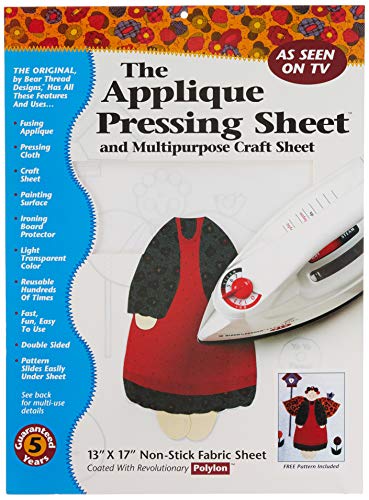
Product overview: A non-stick, reusable pressing sheet designed for fusible appliqué, quilting, and crafting. The transparent surface helps with precise alignment when layering fabrics, supporting accurate placement. It withstands heat sufficiently to protect iron surfaces from adhesives, wax, and fusible webs.
Best for: Crafters and quilters who need precise fabric alignment and a reusable surface that protects their irons from messy adhesives. Also suitable for small-applique projects where visibility and accuracy matter.
Limitations: Size is limited to 13×17 inches, which may require folding or multiple applications for larger projects. Not a substitute for heavy-weight pressing sheets on very large garments.
SynHHergyx 2 Pack Large Cotton Pressing Cloths

Product overview: A two-piece set offering large cotton ironing cloths (31.4×15.7 inches) that provide substantial coverage for bigger projects. The fabric is sturdy, breathable cotton that distributes heat evenly and absorbs moisture to prevent scorching and shiny patches on delicate fabrics.
Best for: Users who press large panels, napkins, or dresses and need extended coverage with a durable cotton barrier. Choose this if you often press oversized items and want a budget-friendly, long-lasting option.
Limitations: Cotton cloths are bulkier to manage for very small seams or tight corners; plan to cut or fold appropriately to avoid bulk under the iron.
Dritz 82505 Sheer Press Cloth

Product overview: A sheer satin-like pressing cloth designed to protect fashion fabrics from shine and scorch marks while using high temperatures. It’s especially suitable for luxury fabrics like silk organza, enabling press with visibility to avoid flattening or dulling textures.
Best for: Those who work with delicate, high-end fabrics or require a clear view of fabric during pressing. This is a good choice for designers and tailors focusing on couture or fine garment details.
Limitations: The sheer nature means it provides lighter protection; it may not be ideal for heavy materials or high-pressure applications where a thicker barrier is preferred.
Thermo Web 3403 Transparent Pressing Paper

Product overview: A five-pack of transparent pressing paper designed to protect projects and work surfaces. The coated one-side surface creates a non-stick barrier, reducing sticking during heat and steam pressing. It’s a practical, disposable option for craft and sewing projects where extra protection is essential.
Best for: Crafters and hobbyists seeking a simple, clean layer between iron and fabric without leaving traces. Also useful for temporary projects or when working with adhesives or wax that could transfer to the iron.
Limitations: Being paper, it isn’t reusable; consider it for short-term projects or quick saves rather than ongoing use.
Buying Guide: Choosing The Right Pressing Cloth For Fabric
- What fabric will you press most often? Delicate fabrics benefit from sheer or PTFE options, while heavy fabrics may need thicker cotton or multi-type sets.
- Do you prefer visibility during pressing? Clear or sheer cloths help monitor texture and shine, but may offer less protection.
- Is coverage important? Larger cloths reduce the frequency of changing sheets and provide even heat distribution across big items.
- Are you pressing with steam? Some cloths are better suited for steam and can prevent water spots on delicate fabrics.
- Durability and reuse: Natural cottons are washable and durable; PTFE and non-stick options can shorten ironing time but may be more fragile over time.
Frequently Asked Questions
- What is a pressing cloth used for? It protects fabrics from direct heat, shine, and scorch marks while helping to distribute heat and moisture evenly.
- Which material is best for delicate fabrics? Sheer or PTFE pressing cloths work well for silk, organza, and other delicate fibers.
- Can I use a plain cotton towel as a pressing cloth? It can work in a pinch, but a purpose-built pressing sheet offers better heat control and protection.
- Do pressing cloths need to be washed? Yes, cotton and most reusable cloths should be washed after use to maintain optimal performance.
- Can pressing cloths impact fabric texture? Yes, improper use or incorrect cloth for the fabric type can alter texture or cause shiny patches if used with high heat on delicate fabrics.
- Are there disposable options? Yes, some pressing papers are designed for single-use protection and disposal after pressing.