When flooding or sudden water spills strike, you need a reliable wet/dry vacuum that can pull up water quickly and handle debris. This guide highlights five solid options, each best for different buyers—from homeowners tackling basement leaks to workshop pros handling larger messes. The top picks are evaluated for suction power, tank size, portability, and ease of use, so you can choose the right tool for your space and needs.
Summary table of selected products:
| Product | Best For | Key Strength |
|---|---|---|
| Craftsman CMXEVBE17250 | Lightweight, small messes | Portable 2.5-gallon tank |
| Vacmaster Beast VFB511H | Heavy-duty cleanup | High power, large reach |
| Craftsman CMXEVBE17595 | Large projects | 16-gallon capacity |
| Stanley SL18116P | Versatile, mid-size jobs | 4 HP, 6-gallon |
| Amazon Basics 4 Gallon | Budget-friendly tasks | Stainless steel, versatile |
Craftsman CMXEVBE17250 2.5 Gallon Wet/Dry Vac

This compact, portable wet/dry vac is best for small floods and quick cleanups in homes, garages, or cars. Its light build allows for easy carrying and quick deployment when water rises in a sink, laundry area, or vehicle interior.
- Best for: small messes and tight spaces where mobility matters.
- Why selected: Its 2.5-gallon capacity balances portability with practical cleanup capability.
- Caution: Limited tank size means more frequent emptying on larger flood events.
Vacmaster Beast Series VFB511H 5-Gallon Vac

Designed for tougher water cleanup and more demanding projects, this model packs a powerful motor and fine-particle filtration. Its 5-gallon tank and long reach are ideal for basements, workshops, and larger flood scenarios where speed and capacity matter.
- Best for: frequent, heavy-duty water pickup and debris collection.
- Why selected: 320 air watts and a long hose improve overall cleanup efficiency.
- Caution: Heavier than small vacuums; portability is reduced when full.
Craftsman CMXEVBE17595 16 Gallon Wet/Dry Vac

Best for large flood cleanup and renovation projects, this heavy-duty unit handles both wet liquids and dry debris with ease. It includes a built-in blower port and an oversized drain for convenient liquid disposal, making it well-suited for frequent, larger-scale messes.
- Best for: garages, workshops, or home renovations with substantial water exposure.
- Why selected: High power (6.5 peak HP) and a built-in blower port expand versatility.
- Caution: Heavier and less portable; plan for stable storage when not in use.
Stanley SL18116P Wet/Dry Vacuum (6 Gallon, 4 HP)

This mid-sized Stanley model combines capacity and dependable suction for home and shop cleanup. It supports wet and dry pickups and offers a blower option via a dedicated port, making it a versatile tool for light floods and general mess removal.
- Best for: homeowners seeking a versatile, mid-capacity unit.
- Why selected: Strong 4 HP motor provides reliable suction for everyday floods and spills.
- Caution: Not ideal for very large flood events due to 6-gallon tank size.
Stanley SL18116 Wet/Dry Vacuum (Stainless Tank)
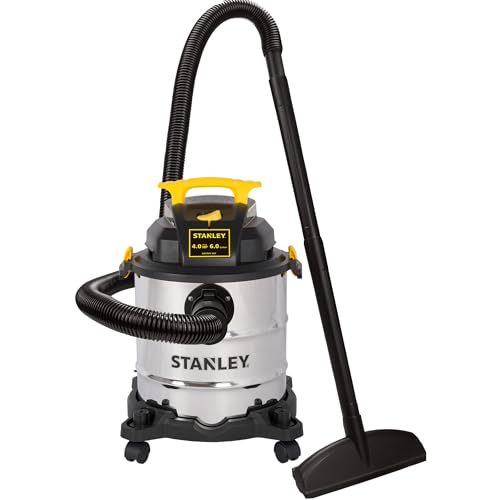
This stainless-tank variant preserves durability while offering similar performance to its steel counterpart. It remains a practical choice for frequent use around water, debris, and dust in a workshop or garage setting.
- Best for: users wanting corrosion resistance and a robust build.
- Why selected: Stainless tank resists wear and maintains a clean appearance in busy spaces.
- Caution: Slightly higher weight; consider storage space.
Amazon Basics Wet/Dry Shop Vacuum (4 Gallon)

This budget-friendly option is suitable for light to moderate water cleanup and everyday shop tasks. It includes a reusable filter and multiple nozzles, offering a practical entry point for occasional flooding or spill cleanup.
- Best for: budget-conscious buyers needing a simple, functional vacuum.
- Why selected: Durable stainless steel construction at an affordable price point.
- Caution: May require more frequent maintenance with heavy use or fine dust.
Buying Guide: Wet Vacuums For Flooding
- Tank capacity: For frequent floods or large areas, choose 5–16 gallons. Smaller tanks are more portable for quick cleanups.
- Motor power: Higher horsepower or air watts translates to stronger suction, especially with wet debris and fine dust.
- Filtration: Look for a model with a reliable filter and the option to swap to a finer cartridge or bag for dust control.
- Portability: Consider weight and the presence of wheels and a sturdy handle for moving around a flooded space.
- Accessory versatility: A flexible hose, assortment of nozzles, and a blower port can expand use beyond water cleanup.
- Durability: Stainless or heavy-duty plastics are preferable in damp, humid environments to resist corrosion.
- Maintenance: Emptying the tank easily, a straightforward drain, and simple filter replacement help sustain performance during floods.
Frequently Asked Questions
- What size wet/dry vacuum is best for basement flooding?
– A larger capacity (5–16 gallons) with strong suction is ideal for frequent floods in basements or larger spaces. - Can I use a wet/dry vacuum for standing water in a car?
– Yes, small- to mid-size vacuums are well-suited for vehicle spills and minor interior flooding. - Are blower ports useful for flood cleanup?
– Yes, they help remove leaves, debris, and dry out areas after water extraction. - Is stainless steel better than plastic for wet vacuums?
– Stainless steel tanks are generally more durable and corrosion-resistant in damp environments. - What should I do before using a vacuum for flood water?
– Ensure the power source is safe, remove large debris, and use protective filters to prevent clogs and damage. - How often should I replace filters after flood cleanup?
– Replace or clean filters according to manufacturer instructions, especially after handling fine debris or mud.