Answering your search for reliable virtual wall barriers, this guide compares top compatible accessories to help you control where a robot vacuum cleans. The best fits are for homes with pets, kids, or delicate areas you want to protect. This article highlights five proven options, detailing who they’re best for and why each stands out.
| Product | Best For | Key Benefit |
|---|---|---|
| iRobot Roomba Authentic Replacement Parts | Roomba 600–900 Series users needing official parts | Dual Mode Virtual Wall with Halo mode for pet areas |
| TZRONG Dual Mode Virtual Wall Barrier | Wide Roomba I/S/E series ranges; large homes | Long Beam mode and Halo mode for flexible containment |
| Avaenzo 2-Pack Virtual Wall Barrier | Homes with multiple restricted zones | Two pack for broader coverage; clear battery indicator |
| Coodss Dual Model Virtual Wall Barrier | Users wanting versatile barrier modes | Halo and Beam modes; broad compatibility |
| PELLYDA 2-Pack Dual Mode Virtual Wall Barrier | Budget-conscious shoppers needing two barriers | Dual modes; battery-powered, low-cost option |
iRobot Roomba Authentic Replacement Parts

Best for owners who want an official, compatible wall barrier for Roomba models across multiple generations. The Dual Mode Virtual Wall Barrier gives you precise control over where cleaning occurs. Use Virtual Wall mode to keep robots out of protected rooms, and Halo mode to shield sensitive items like pet bowls. Suitable for Roomba 600–900 series, this is a straightforward, reliable option when compatibility and consistent behavior matter most.
Who it’s best for: households needing an authentic, ready-made barrier solution that works smoothly with Roomba models and offers both containment and item-protecting modes. Limitation: only a single-pack option, which may require multiple barriers for broader coverage.
TZRONG Dual Mode Virtual Wall Barrier
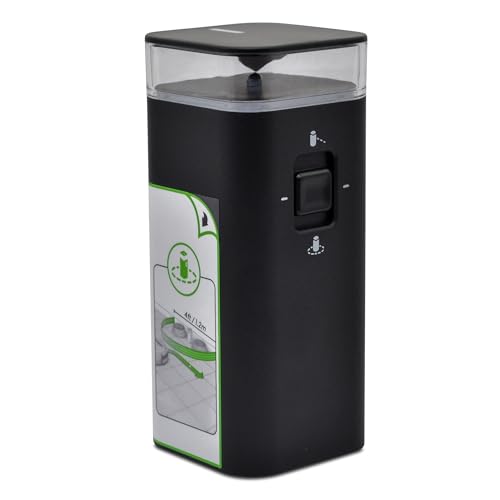
Best for Roomba users who need broad compatibility across many e, i, s, and J-series models, including some newer Roomba 800/900 lines. This barrier offers Halo and Beam modes, forming a 4-foot halo or a 10-foot infrared beam to guide cleaning zones. Not compatible with Roomba 500 and 700 series in some cases, and note that some older 600 series releases may lack support. Choose this if you want a flexible, long-range virtual barrier that works across many modern Roomba families.
Who it’s best for: homes with mixed Roomba models or a need for both a contained circle and a long line barrier. Limitation: some very old Roomba 600 series units may not be supported.
Avaenzo 2-Pack Virtual Wall Barrier Light House

This 2-pack is designed for Roomba 600–900 series and I/S/E family models, including several e and i variants. Avaenzo’s dual-mode system offers a Halo containment circle and a long Beam barrier to tailor restricted zones. Battery-powered operation with a low-energy indicator helps you monitor power without frequent changes. Best for homes needing multiple, easily moveable barriers to cover distinct areas.
Who it’s best for: households wanting a two-pack option for flexible boundary coverage without relying on a hard-wired solution. Caution: uses AA batteries, which require replacement over time.
Coodss Dual Model Virtual Wall Barrier

Best for buyers seeking a versatile barrier with strong mode options and broad Roomba compatibility. The Dual Model Barrier supports Halo mode for a 4-foot containment area and Beam mode extending a 10-foot barrier, helping prevent access to sensitive zones. It targets iRobot Roomba i, e, s, 500–900 series and many later models. Choose this if you want flexible blocking that covers doorways and pet zones efficiently.
Who it’s best for: shoppers who want a value-rich barrier with clear mode names and broad compatibility. Limitation: ensure your specific Roomba generation is listed as supported to avoid compatibility issues.
PELLYDA 2-Pack Dual Mode Virtual Wall Barrier

Best for budget-conscious buyers who still want dual-mode functionality. The PELLYDA barrier supports Halo and Beam modes and is designed for Roomba 800/900 and i/e/s series, among others. It uses two AA batteries for power, with a low battery indicator to help with maintenance. This option is suitable for those needing two barriers at a lower cost while maintaining effective containment.
Who it’s best for: users seeking affordable, two-pack virtual walls with clear mode options. Limitation: battery dependence means ongoing replacement costs and occasional maintenance.
Buying Guide
What to consider when choosing a robot vacuum virtual wall barrier:
- Compatibility: Check model compatibility with your Roomba or other brand models. Some barriers cover Roomba 600–900 series, while others span broader i, e, s lines. If you mix models, pick a barrier labeled as broadly compatible.
- Barrier Modes: Halo mode creates a circular containment area; Beam mode projects a straight line barrier. Decide which mode best fits your space—open floor plans often benefit from longBeam barriers, while small rooms may need Halo containment.
- Power Source: Many barriers run on AA batteries; some rely on USB or rechargeable power. Battery-powered units require occasional replacement; consider a pack if you have multiple zones.
- Placement and Portability: If you frequently rearrange rooms, opt for portable barriers that are easy to move. Fragile floors, carpets, or cords may affect barrier placement.
- Durability and Build: Look for sturdy housings and clear indicator lights for battery status. A barrier that fits snugly against walls reduces accidental gaps the vacuum could cross.
FAQ
- What is a virtual wall barrier for a robot vacuum?
– A device that creates a restricted cleaning area by emitting infrared beams or forming a virtual boundary to keep the vacuum out of protected zones. - Do virtual walls work with all Roomba models?
– Most barriers target Roomba 600–900 series and related i/e/s models, but it’s important to verify model compatibility before purchase. - Can I use more than one barrier at once?
– Yes. Many buyers use multiple barriers to segment several rooms or doorways, especially in homes with multiple restricted zones. - How long do the batteries last in dual-mode barriers?
– Battery life depends on usage; most barriers use AA batteries and indicate when replacement is needed. Carry spare batteries for extended setups. - Are these barriers easy to install?
– Yes. Most barriers require simple placement and mode switching, with no tools needed, though some models may have specific setup steps in their manuals. - What if my Roomba is older than the barrier’s listed compatibility?
– Some barriers may not support older or certain late-model Roomba variants. Check the product’s documented compatibility list to avoid mismatches.