Finding the right foam sheets for tool boxes helps protect tools, organize layouts, and speed up access during work. This guide focuses on durable polyethylene and polyurethane inserts that fit common toolbox sizes. The top picks are suited for professionals and DIY enthusiasts who want clean, customizable storage solutions without sacrificing protection. Each selected product offers easy customization, reliable cushioning, and clear sizing to fit your tools. Below is a quick table of the five recommended options to compare at a glance.
| Product | Size | Material | Best For |
|---|---|---|---|
| ONREVA Tool Box Foam 4Pack | 16x12x1 in | Polyethylene | Compact tool kits and shadow inserts |
| ONREVA Tool Box Foam 3Pack | 16x12x2 in | Polyethylene | Deeper tool profiles and larger cases |
| Hlimior 6 Pack Tool Box Foam | 22x18x1 in | EPE/Polyethylene | Drawer liners and larger chests |
| KINXIYU Polyurethane Foam Padding | 16x12x1 in | Polyurethane | Pick-and-pluck customization |
| 6 Pack Tool Box Foam Inserts (Red/Black) | 18x12x1 in | Polyethylene | Versatile toolbox lining and modular setups |
ONREVA Tool Box Foam 4Pack 16x12x1

The ONREVA 4Pack offers 16x12x1 inch foam inserts designed to cushion tools and create designated slots within a toolbox or hard case. This setup aims to prevent tool-to-tool contact and reduce transit shocks. It is best for small to mid-sized tool kits or shadow insert applications where visibility of tools is important. The foam is easy to cut and install, making it suitable for users who want a clean, professional layout without complicated setup.
Best for: Professionals needing a compact, quick-install organizer; DIY enthusiasts with standard-size tool boxes.
Caution: Cutting accuracy matters for fit; follow the included guidance to avoid gaps that could let tools shift during transport.
ONREVA Tool Box Foam 3Pack 16x12x2

This 3-pack provides deeper 2-inch foam inserts for cases with taller tool profiles. The extra thickness supports larger wrenches, pliers, and compact power tools while maintaining organized slots. It’s ideal for users with deeper compartments or tools that need more room for handle clearance. Installation is straightforward with simple outlining and cutting guidance.
Best for: Users needing deeper cavity protection and organized spaces for taller tools.
Caution: Deeper inserts can restrict pocket depth in smaller boxes; ensure your toolbox has enough depth before purchasing.
Hlimior 6 Pack Tool Box Foam Inserts

This 6-piece set includes six 22x18x1 inch sheets, offering a broad liner solution for larger toolboxes or multiple drawers. Made from durable EPE foam, these sheets provide cushioning and shock resistance. They are easy to cut to fit, and their black-with-red accents give a professional, organized look to any toolbox. The size is well-suited for deeper drawers and larger chassis.
Best for: Shop setups needing a complete liner across multiple drawers or larger tool chests.
Caution: The larger sheets require careful cutting to avoid waste; use a sharp heated tool for clean edges.
KINXIYU Polyurethane Foam Padding
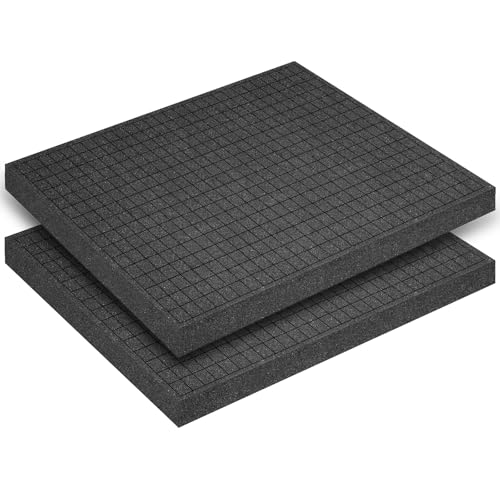
These 2-pack polyurethane sheets use a grid-based pick-and-pluck design that allows precise customization without extra cutting. The 0.6 inch grid helps users carve out exact spaces for delicate items or high-value tools. The foam provides high-density cushioning and robust shock absorption to minimize impact during transport. Installation is quick, and no special tools are required.
Best for: Users who value fast, precise customization with minimal tooling; delicate instruments and electronics often benefit from this layout.
Caution: Grid-based removal requires careful planning to avoid over-plucking and compromising tool fit.
Hlimior 6 Pack Tool Box Foam Inserts (18x12x1)

This six-sheet set offers 18x12x1 inch foam for flexible tool-box lining. The color scheme (black with red accents) provides a visually organized look, while the polyethylene composition ensures soft yet supportive cushioning. The sheets are broadly compatible with many toolbox brands and provide a reliable buffer against knocks and shifts during transit.
Best for: General toolbox lining across multiple brands; good all-around protection and layout flexibility.
Caution: Some tool shapes may require multiple pieces to achieve full coverage; plan your layout before cutting to minimize waste.
Buying Guide: Key Considerations For Choosing Foam Sheets For Tool Boxes
What material should you choose? Polyethylene foam offers good resilience and moisture resistance, while polyurethane foam provides sharp, pluck-and-fit customization. Consider your tools’ weight, shape, and how much protection you need against drops or vibrations.
What size fits your toolbox? Measure your tool chest drawers or cases carefully. Choose sheets that align with standard drawer dimensions (for example, 16×12 inches for many small-to-mid-sized cases) or go deeper (2 inch) for taller tools.
How easy is customization? Pick-and-pluck or easy-cut options save time. If you frequently rearrange, a grid-based or outline-cut design helps you reconfigure quickly.
How durable should the liner be? For heavy power tools or metallic tools, thicker sheets (1 inch or more) with high-density foam offer better shock absorption and longer life.
What is the installation process like? Look for easy-to-follow cutting guides, minimal tool requirements, and clear instructions. Foam inserts should snap into place or stay securely aligned without slipping.
Are there any compatibility notes? Verify the toolbox brand or general drawer depth to ensure the foam fits without protruding edges that could snag on items during closure.
Frequently Asked Questions
- What is the main difference between polyethylene and polyurethane foam for tool boxes?
Polyethylene is durable and moisture resistant, while polyurethane offers easier customization with grid or pick-and-pluck designs. - How do I cut foam inserts accurately?
Use a sharp utility knife or hot knife and outline your tools first to create precise spaces. - Can foam sheets be used in any toolbox?
Most sheets are designed to fit common toolbox dimensions, but always confirm the internal depth and width before purchase. - Is thicker foam better for heavy tools?
Yes, thicker foam provides more cushioning and reduces movement, but ensure the toolbox has enough depth for the insert. - What maintenance is needed for tool box foam?
Keep inserts dry and free of debris; wipe with a soft cloth if needed. Replace worn sheets to maintain protection. - How many tools can a single 16x12x1 inch foam insert hold?
It depends on tool size, but outlining each tool creates organized slots that maximize space usage.