When choosing a stove pipe cleaning kit, aim for a design that delivers secure rod connections, flexible heads, and sufficient length to reach creosote buildup in common chimney configurations. This guide highlights five top kits suited for residential fireplaces, pellet stoves, and other stove pipes. Each option targets different needs—whether you need extra length, a locking mechanism that won’t loosen, or a brush head optimized for sensitive interiors. The buyer profiles below show who these products are best for and why they were selected.
| Product | Best For | Why Pick It |
|---|---|---|
| Morinoli 26 Feet Chimney Sweep Kit | Homeowners with deep, straight flues | Chrome button lock, 8 nylon rods, sturdy design for secure rotation |
| Sealegend 30 Feet Chimney Sweep Kit | Cleaning long chimneys or multiple bends | 9 nylon rods, drill-attachable, robust locking |
| Morinoli 30 Feet Chimney Sweep Kit | Long reach and frequent use | 9 rods, chrome lock, durable construction |
| Bluesea 30 Feet Chimney Sweep Kit | Max reach with fewer connections | 9 rods, chrome lock, ergonomic design |
| Dreyoo Pellet Stove Cleaning Brush Kit | Pellet stove exhaust pipes | 3″ brush, 10 ft flexible rods, compatible with pellet systems |
Morinoli 26 Feet Chimney Sweep Kit
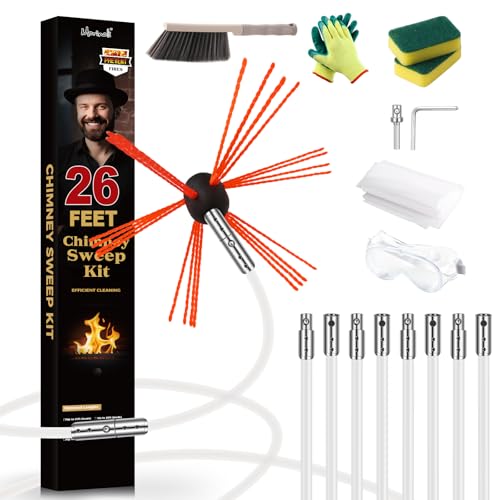
Best for: Homeowners with mid-length, varied-flue systems who value a quick, secure setup. This kit uses a chrome button locking system to prevent loosening during rotation, with each rod measuring 39.3 inches for fewer connections and faster cleaning.
Why selected: The locking design reduces slippage and misalignment, a common issue in chimney cleaning. The reinforced head and stainless steel rod tips support durability in creosote environments.
Key considerations: The kit emphasizes ease of assembly and disassembly. For very long or multiple-flue installations, ensure you have adequate access to the bottom of the chimney to begin the sweep effectively. Caution: Nylon bristles and metal components should be checked for wear after heavy use to maintain performance.
Sealegend 30 Feet Chimney Sweep Kit

Best for: Homeowners who need a versatile kit that can also handle dryer vent ducts. It features a chrome-plated button locking design and can be attached to an electric drill for enhanced speed and reach.
Why selected: The ability to rotate with a drill increases efficiency on stubborn buildup, while the flexible nylon bristles protect inner surfaces during cleaning. It supports long reaches with nine rods.
Key considerations: Using a drill increases cleaning speed but requires careful control to avoid damaging delicate chimney interiors. Caution: Confirm compatibility with your drill before use and follow drill-specific safety guidelines.
Dreyoo Pellet Stove Cleaning Brush Kit

Best for: Pellet stove users who need a compact, flexible cleaning solution for narrow exhaust pipes. This kit includes a 10 ft expansion pole and a 3″ nylon brush tailored for pellet systems.
Why selected: Designed to handle typical 3-inch pellet stove exhaust pipes, with nylon bristles that remove soot without scratching surfaces. It offers a straightforward setup for daily maintenance and routine cleaning.
Key considerations: The kit focuses on pellet systems; if you have larger-diameter pipes or non-stove applications, consider a broader kit or different brush sizes. Caution: Ensure the brush head remains aligned when cleaning bends to avoid direct contact with the pipe walls.
Bluesea 30 Feet Chimney Sweep Kit
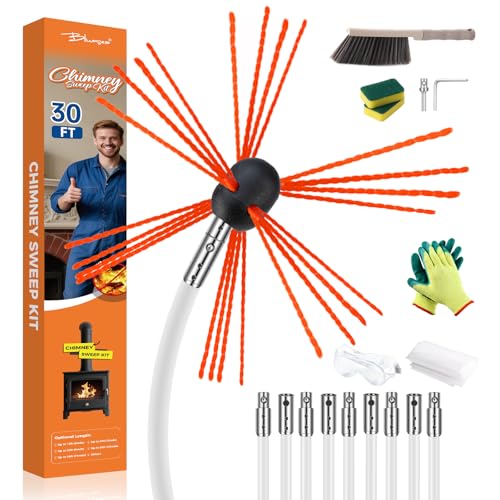
Best for: Users who want maximum reach with minimal rod connections. This kit emphasizes a sturdy chrome button locking system and a long reach of 39.3-inch rods for quicker installations.
Why selected: The design balances durability and efficiency, with a high-quality nylon brush and corrosion-resistant rod heads that stay bright over time. It is well-suited to larger, straight flues plus some bends.
Key considerations: Longer reach can reduce the number of rod interruptions, but ensure all joints are tight to prevent wobble during sweeping. Caution: Inspect the button locks regularly for wear and replace if looseness is detected.
Buying Guide: Stove Pipe Cleaning Kit Essentials
- Locking mechanism: A chrome button lock helps prevent rods from loosening during rotation. Choose models that lock securely in both clockwise and counterclockwise directions to avoid gaps in cleaning.
- Rod length and count: Longer rods reduce the need to frequently reconnect. Assess your chimney height and flue layout to pick kits offering enough total reach (usually 26–30 feet in these options) with fewer joins.
- Brush head design: A rectangular, sharp-edged nylon brush provides efficient cleaning without excessive abrasion. Ensure bristles are durable and non-shedding for long-term use.
- Material compatibility: Look for corrosion-resistant heads and rods, especially if you frequently clean creosote-heavy chimneys. Nylon bristles are common and generally gentle on metal flues.
- Versatility: Some kits can be used for dryer vents or different pipe shapes. If you have multiple tasks, a kit with drill-attach capability can speed up stubborn buildup, but use with caution.
- Ease of use: A kit that’s easy to assemble/disassemble saves time and reduces user fatigue. Quick-lock rods help ensure a smooth cleaning session.
- Maintenance and durability: Stainless steel heads and durable nylon bristles extend service life. Check joints and locks for wear after repeated cleanings.
Frequently Asked Questions
- What size chimney brush do I need? Most residential chimneys use standard pipe diameters around 3 inches to 4 inches. Choose a kit whose brush head matches your flue size, or opt for a kit with multiple brush heads.
- Can I use these kits with a drill? Some kits are drill-attachable to improve efficiency. If you plan to use a drill, confirm compatibility and follow safety guidelines to avoid damaging the flue.
- How long should a cleaning take? It varies by chimney length and buildup. A longer rod set with fewer connections typically reduces overall cleaning time compared to shorter, more modular kits.
- Are these kits safe for stainless steel chimneys? Yes, most nylon-bristle brushes are designed to be non-abrasive on stainless steel interiors when used properly.
- How often should I clean my chimney? Regular maintenance intervals depend on usage and fuel type. Pellet stoves often require more frequent cleanings, especially during peak heating seasons.
- What should I inspect after cleaning? Check for loose joints, damaged brushes, or worn locks. Replace components as needed to maintain safe operation.