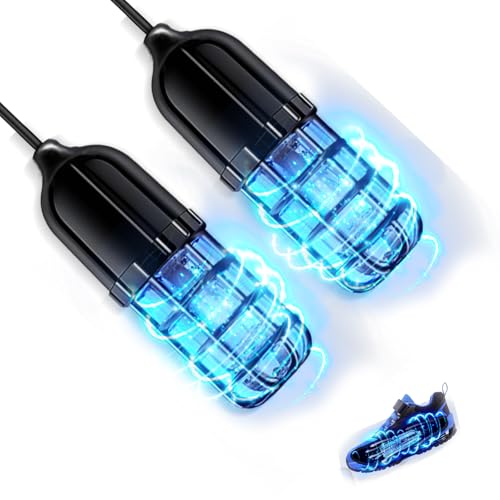
Best UV Light Shoe Cleaner: Quiet, Effective Footwear Sanitizers
Looking for an effective UV light shoe cleaner to kill odor-causing germs and keep footwear fresh? This guide highlights top UV-based shoe sanitizers and deodorizers. It helps the everyday shopper choose devices that fit sneakers, boots, and dress shoes alike. Each product is evaluated for ease of use, sanitation speed, and practical limitations. Whether you’re an athlete, traveler, or parent managing kids’ gear, these picks clarify which device best matches your needs.
Best for quick sanitation in medical or athletic footwear. Pedifix ShoeZap uses 15-minute UVC cycles to eliminate odor-causing germs, bacteria, and fungi from inside shoes. The device is simple to operate—place inside the shoe, run the cycle, and it shuts off automatically. This makes it ideal for users who want a plug-and-go solution. Limitation: the cycle duration may be longer than some users expect for very damp interiors, and bulb life is a factor in long-term use.
Who it’s best for: runners, gym-goers, and households needing fast turnaround without sprays. Why selected: it combines compact design with a proven 15-minute sanitation window and non-ozone producing UVC bulbs, reducing odors efficiently.
Best for drying and deodorizing in damp, porous footwear. This MWNI model emphasizes a 360° ultraviolet bulb layout to reach hidden corners inside shoes and boots. It operates with a simple three-stage timer (15, 30, 60 minutes), making it a practical choice for busy routines. Caution: the product notes emphasize more effective results when shoes are dry, so it benefits from prior airing-out or drying.
Who it’s best for: households with frequent wet shoes or damp environments. Why selected: strong emphasis on thorough interior coverage and a flexible timer, aiding longer deodorization cycles when needed.
Best for travelers seeking a compact, ozone-free option. SteriShoe uses ultraviolet light to sanitize the inside of sneakers, boots, and dress shoes, aiming to reduce odor-causing bacteria and foot fungi. The 15-minute treatment refreshes footwear without sprays. Limitation: while ozone-free, it may require consistent use for deeply soiled interiors or very sweaty conditions.
Who it’s best for: travelers, students, and people who prefer chemical-free cleaning. Why selected: a fast, chemical-free approach that works well for routine sanitation on the go.
Chosen for heavy footwear care, this device combines timed drying with UV-C purification. Flexible drying intervals (30, 60, 120, 240 minutes) allow tailored performance for work boots, hunting boots, or winter footwear. UV purification helps reduce moisture and odor in one session. Caution: larger size and higher power may occupy more space than smaller UV sanitizers.
Who it’s best for: professionals and outdoor enthusiasts who need both drying and disinfection in one device. Why selected: it addresses moisture, odor, and microbial concerns with an integrated timer and UV feature.
Best for all-around deodorization with flexible timing. The Silver MWNI model offers the same three-stage timer as the Black variant, enabling 15/30/60-minute cycles. It uses a UV wavelength around 253.7 nm and emphasizes deodorization across hidden shoe corners. Limitation: as with many UV devices, results depend on shoe material and interior dryness; deep, textured interiors may benefit from longer cycles.
Who it’s best for: users who want a consistent, timer-based approach across various shoe types. Why selected: similar core technology to other MWNI units with added color options for consumer choice.
Buying Guide
What to consider when choosing a UV shoe cleaner
Purpose and use case: Are you sanitizing athletic shoes, work boots, or dress shoes? Pick a model designed for the footprint and interior size of your footwear.
Sanitation speed and cycle options: A 15-minute cycle is convenient for quick refreshes; longer or multiple cycle options help with damp interiors and deeper odors.
Coverage and design: Look for 360-degree UV coverage or multiple bulbs to reach toe boxes, arches, and midsoles where microbes hide.
Portability and storage: Compact units suit travelers and gym bags; larger boot-dryer hybrids may fit better in mudrooms or laundry spaces.
Safety and maintenance: Prefer ozone-free and chemical-free options when possible. Consider bulb life, replacement parts, and warranty coverage as long-term factors.
Material compatibility: Some devices pair well with hard-shell boots, while others are optimized for fabric uppers. Always follow the manufacturer’s instructions for use with specific fabrics.
Practical usage tips
Ensure shoes are dry as damp interiors may require longer cycles for optimal odor reduction.
Test any cleaner on a small, inconspicuous area if it includes liquids or concentrates.
Regular use builds a routine for footwear hygiene, especially for athletes or daily commuters.
Combine with natural air-drying when possible to complement UV sanitation.
FAQ
Do UV shoe cleaners kill toenail fungi? They can reduce odor and some surface microbes, but effectiveness against fungi like toenail infections varies by device and interior conditions.
How long should I run a cycle? Most models offer 15-minute cycles; longer options (30–60 minutes) are available for damp or heavily soiled interiors.
Are these devices safe for leather or suede? Test first on a hidden area; some fabrics may react differently to UV exposure.
Can I use these devices daily? Yes, for many users; follow the manufacturer’s guidance on cycle frequency and material safety.
Do UV devices leave chemical residues? Most options are ozone-free and chemical-free, reducing residue concerns.
Will UV light harm my shoes? UV-C light is contained inside the device during operation and should not contact your skin; avoid looking directly at the light source.