Is rust ruining your metal parts or tools? This guide targets buyers seeking effective, low-scrub solutions to remove rust and clean metallic surfaces. The top picks here are best for automotive parts, tools, cookware, and household metal items. Each product is evaluated for user-friendliness, safety, and practical results, so you can choose the right option for your project.
| Product | Brand | Best For | Notes |
|---|---|---|---|
| Evapo-Rust, Heavy-Duty Rust Remover | Evapo-Rust | Automotive parts, tools, antiques | Water-based, non-acidic |
| TREND Tool, Blade & Bit Cleaner | TREND | Workshop tools and blades | Non-toxic, safe for metal surfaces |
| Evapo-Rust ER012 Heavy Duty | Evapo-Rust | Auto parts, hardware, antiques | 128 oz size option |
| Rust-Oleum Rust Dissolver Gel | Rust-Oleum | Rusty tools, grills, bolts | Gel formula clings to surfaces |
| CLR Pro Calcium, Lime & Rust Remove | CLR | Bathrooms and metal surfaces | Industrial-strength cleaner |
In this article, you’ll find five carefully chosen products, each described with who it’s best for, why it was selected, and potential limitations. A practical buying guide at the end helps you compare options quickly.
Evapo-Rust, Heavy-Duty Rust Remover

Best for: automotive parts, hardware, and antiques that require rust removal without scrubbing. This water-based rust remover is non-acidic and non-corrosive, making it safer for varied metal parts. It works well for parts that might be damaged by harsher solvents and is handy for both small and larger items when soaking is feasible.
Why selected: It delivers rust removal without fumes or strong odors, simplifying indoor use. The formula is designed to be reused and recycled through soaking cycles, which appeals to hobbyists and small shops seeking economical rust treatment.
Limitations: For heavy build-up, multiple soak cycles may be needed. Not ideal for quick one-step surface wipe-offs on deeply pitted metal.
TREND Tool, Blade & Bit Cleaner

Best for: workshop blades, router bits, and cutting tools that accumulate resin, pitch, or rust. This cleaner breaks molecular bonds between contaminants and metal without aggressive scrubbing. It also provides a light protective layer post-cleaning.
Why selected: It combines cleaning power with a safer, non-toxic profile suited to indoor workshops. The anti-residue and protective coating features help extend tool life between sharpenings.
Limitations: It may require time for contaminants to loosen in soaking or contact applications, and heavier rust may need repeated treatment.
Evapo-Rust ER012 Heavy Duty

Best for: larger rust-removal tasks on auto parts, hardware, and antiques. This is a heavier option with a similar water-based, non-toxic approach as the standard Evapo-Rust product but in a larger 128-ounce package, suitable for more frequent or batch rust jobs.
Why selected: The big size supports ongoing projects and reduces per-use cost for frequent users. It preserves metal surfaces while removing rust effectively without abrasive action.
Limitations: Large containers require adequate storage space, and exact soaking times depend on rust severity.
Rust-Oleum Rust Dissolver Gel

Best for: rust on stubborn surfaces like heavy tools, grills, and bolts where dripping liquids are a concern. The gel formulation clings to vertical surfaces, dissolving rust in minutes with minimal scrubbing.
Why selected: The cling gel reduces runoff and mess, making it another good option for vertical or intricate parts. Light-to-moderate rust responds quickly, enabling rapid task completion.
Limitations: Heavier rust may require multiple applications. Gel may add a short wait time before rinsing or wipings for best results.
CLR Pro Calcium, Lime & Rust Remove
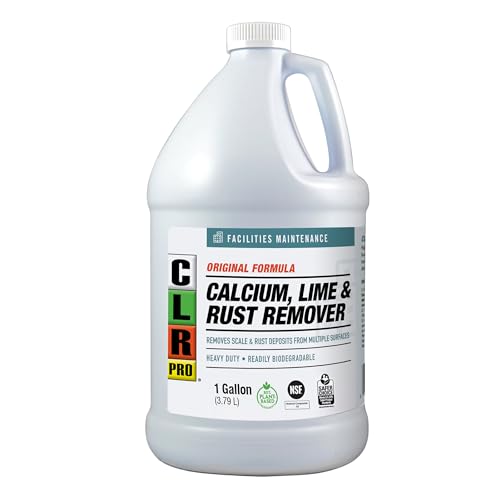
Best for: bathrooms and metal surfaces requiring a broader cleaning action. This non-toxic cleaner targets calcium, lime, soap scum, and rust, leaving surfaces bright and ready for finishing.
Why selected: It offers multi-surface versatility beyond rust removal, useful for kitchens and bathrooms where mineral deposits co-exist with rust. It’s a practical option for households with varied cleaning tasks.
Limitations: For metal items solely needing rust removal, CLR Pro may be less specialized than rust-focused products and may require follow-up treatment for best metal prep outcomes.
Buying Guide: Key Considerations For Choosing The Right Rust Remover
- Rust severity: Light rust may respond to spray gels or non-acid cleaners, while heavy rust often benefits from longer soaking or stronger solvents designed for metal prep.
- Surface type: Delicate finishes or painted parts require gentler, non-abrasive formulas. For bare metal, more aggressive rust removers can be appropriate.
- Application method: Drip-free gels are ideal for vertical surfaces; soak-style removers work well for small parts and hardware baskets.
- Safety and odor: Water-based, non-toxic options reduce fumes and indoor-use concerns. Always follow product directions for ventilation requirements.
- Reuse and disposal: Some products allow repeated use; others come as single-use solutions. Check disposal guidelines for spent solutions to protect the environment.
How To Choose By Use Case
- DIY hobbyist restoring old tools at home: Consider Evapo-Rust for safe, repeated soaking and minimal labor.
- Workshop blades and bits: TREND Blade & Bit Cleaner offers a safer, low-odor option with protective residue benefits.
- Indoor bathroom or kitchen metal surfaces: CLR Pro provides broad cleaning power for mineral deposits along with rust removal.
- Vertical or hard-to-reach rust: Rust-Oleum Rust Dissolver Gel clings to surfaces for effective treatment without drips.
- Budget-minded, heavy-use projects: A large-volume option like Evapo-Rust ER012 Heavy Duty helps manage ongoing rust removal tasks.
FAQ
- What is the safest rust remover for indoor use? – Water-based, non-toxic formulas like Evapo-Rust products are designed for indoor use with minimal fumes.
- Can rust removers damage aluminum or painted surfaces? – Some products are non-abrasive and safe on many metals, but always test on a small area first and follow directions to avoid damage.
- How long should rust remover sit on metal? – Soaking times vary by product and rust severity; follow label guidance for best results.
- Is gel rust remover better than liquid? – Gel formulations cling to surfaces better and reduce runoff, making them ideal for vertical or uneven surfaces.
- Do I need to neutralize rust removers after use? – Some products are designed to rinse away with water; others may leave a protective layer. Check instructions for post-treatment steps.
- Can rust be completely removed from heavily pitted parts? – Complete restoration may require multiple treatments, mechanical cleaning, or professional refinishing depending on depth of pitting.