If you’re looking for effective toilet stain removers, this guide highlights top picks that tackle hard water rings, lime scale, rust, and mineral buildup. This selection is suited for homeowners dealing with tough stains, renters seeking quick results, and anyone aiming for easier, less-scrub cleaning. Below are five reliable products with clear use cases, plus a practical buying guide and a quick FAQ to help you decide.
| Product | Best For | Why Selected |
|---|---|---|
| Zep Acidic Toilet Bowl Cleaner, 32 Oz | Heavy mineral buildup | Powerful acidic formula for persistent stains |
| Lysol Lime & Rust Toilet Bowl Cleaner | Rust and mineral deposits | Clinging gel for deep coverage and disinfection |
| The Pink Stuff Miracle Toilet Cleaner | Stubborn stains and limescale | Gel formula with strong stain-removing power |
| Kadden 2 Pack Pumice Stone Toilet Bowl Cleaner | Hard water rings and calcium buildup | Ergonomic handle and non-scratch surface |
| Iron OUT Automatic Toilet Bowl Cleaner Tablets | Rust prevention over time | Continuous rust prevention with each flush |
Zep Acidic Toilet Bowl Cleaner, 32 Oz

Brand: Zep. Features: Zep QT PRO TOILET BOWL CLEANER/DEO ZUATBC32. This product uses a strong acidic formulation designed to attack mineral buildup and tough stains inside the bowl. Best for buyers facing chronic hard-water deposits who need a robust cleaner. Caution: Use with ventilated area and follow label directions to avoid contact with chrome and metal components. The formula is powerful—avoid prolonged use on delicate surfaces and always rinse thoroughly after application.
Lysol Lime & Rust Toilet Bowl Cleaner Liquid
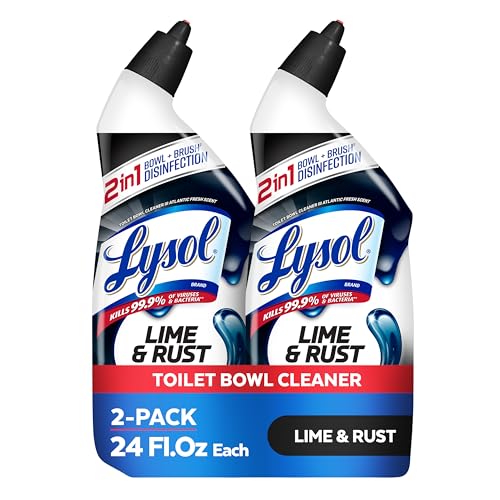
Brand: Lysol. Features: Clinging gel for deep bowl coverage; kills 99.9% of germs; formulated to break down lime and rust. Best for homes needing both cleaning power and sanitization in one step. Choose this if you want a disinfecting option that also targets mineral buildup. Limitation: Gel can be restrictive if the toilet is not pre-cleaned; heavy stains may require multiple applications.
The Pink Stuff Miracle Toilet Cleaner

Brand: The Pink Stuff. Features: Powerful toilet cleaning gel; clinging formula for long-lasting action; targets limescale and tough stains. Best for users who prefer a gel that adheres to surfaces for extended contact time. Choose this for visibly cleaner bowls with less scrubbing. Caution: Scented formula may be noticeable in small spaces; always ventilate during use.
Kadden 2 Pack Pumice Stone Toilet Bowl Cleaner with Handle
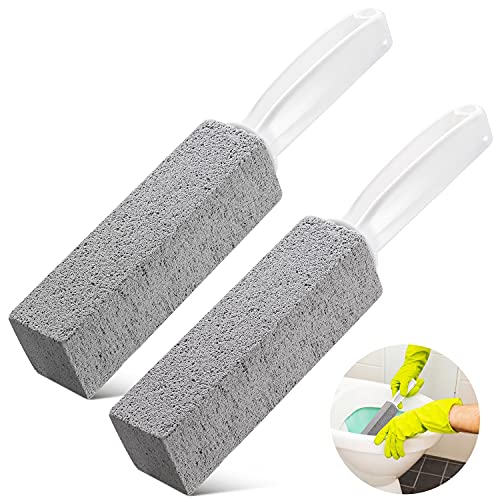
Brand: Kadden. Features: Two-pack pumice stone with handle; non-scratch surface; removes hard water rings and mineral buildup. Best for users seeking a durable, chemical-free option for stubborn mineral stains. Choose this if you want a reusable, simple tool that minimizes chemical use. Limitation: Requires wet handling and careful use to avoid scratching delicate finishes; dry stones can be abrasive if pressed hard.
Iron OUT Automatic Toilet Bowl Cleaner Tablets

Brand: IRON OUT. Features: Helps remove and prevent rust stains with every flush; lasts up to 45 days; made in the USA. Best for buyers seeking ongoing rust prevention rather than heavy scrubbing. Choose this to reduce future rust buildup. Caution: Tablets are not a substitute for cleaning a heavily stained bowl; pre-cleaning is recommended for existing rust stains.
Buying Guide
What should you consider when selecting a toilet stain remover?
- Stain type: Lime scale, mineral buildup, rust, or general grime all require different approaches. For mineral-heavy bowls, stronger cleaners or pumice tools work best.
- Form factor: Gels cling to surfaces for deep cleaning; liquids disperse quickly; pumice stones provide physical abrasion without chemicals. Choose based on stain stubbornness and surface sensitivity.
- Surface safety: Ceramic and chrome surfaces respond differently. Non-scratch pumice and non-abrasive gels are preferable for delicate finishes.
- Maintenance style: Continuous rust prevention (tablets) versus periodic deep cleaning (stain removers). Consider long-term needs and cleaning frequency.
- Ventilation and safety: Use in well-ventilated areas; follow label directions; wear gloves if required by the product.
How to use stain removers effectively
- Pre-clean to remove loose debris, then apply the product as directed for best contact time.
- Avoid mixing cleaners with different active ingredients to prevent fumes or reactions.
- Rinse thoroughly after application to prevent residue and streaks.
Choosing between chemical cleaners and pumice tools
- For heavy mineral buildup, a chemical cleaner paired with a pumice stone can maximize results.
- For households with pets or children, opt for non-toxic, non-scratch options when possible.
- For quick maintenance, a rust-prevention tablet may reduce future cleaning needs.
FAQ
- What is the best cleaner for hard water stains in toilets?
Strong acidic cleaners or clinging gel formulas paired with pumice scrubbing are typically effective for hard water buildup. - Are pumice stones safe on all toilets?
Most modern ceramic toilets are safe with a fine-grit pumice stone when used gently and wet; avoid rough pressure on delicate surfaces. - Can I use these products with septic systems?
Many are formulated to be septic-safe; always check the product label for compatibility. - How often should rust-prevention tablets be replaced?
Follow the label for replacement intervals; typically every 1–2 months depending on usage. - Is a pumice stone suitable for all stains?
Pumice is effective on mineral and lime stains but not on organic or biological stains that require enzymatic cleaners. - Should I mix cleaners for better results?
No. Mixing cleaners can create hazardous fumes or reactions; use products separately as directed.