Looking for safe, non toxic finger paints that are easy to clean up and fun to use? This guide highlights five top options ideal for toddlers, preschoolers, and kids who love hands-on art. Each product is selected for skin-safe formulas, easy washability, and reliable color quality. Best for parents seeking low-muss, beginner-friendly paints and teachers stocking classroom supplies for creative play.
| Product | Best For | Why It Stands Out |
|---|---|---|
| Crayola Washable Finger Paints (6ct) | Toddlers & Preschoolers | Eight-ounce bottles in six bright colors; easy washability; EZ Squeeze bottles for mess reduction. |
| Honeysticks Non Toxic Finger Paint | Young Beginners | Cosmetic-grade colorings; thick, creamy texture; easily washable from skin. |
| ABEIER Washable Finger Paint | Young Children & Classrooms | 12 vibrant colors; non-toxic; designed for easy cleanup. |
| Jar Melo Washable Finger Paints | Toddlers & Early Learners | 10 colors; large 2.1 fl oz tubes; non-toxic and safe for little hands. |
| Shuttle Art Washable Finger Paint Set | School Projects & Big Art Sessions | 15 colors; non-toxic; highly washable and kid-friendly. |
Buyer’s note: The selections emphasize non-toxic water-based formulas, skin-safe ingredients, and reliable washability. Each option is suitable for different ages and art goals, from beginner finger painting to classroom projects. The table above helps compare core attributes at a glance.
Crayola Washable Finger Paints (6ct)
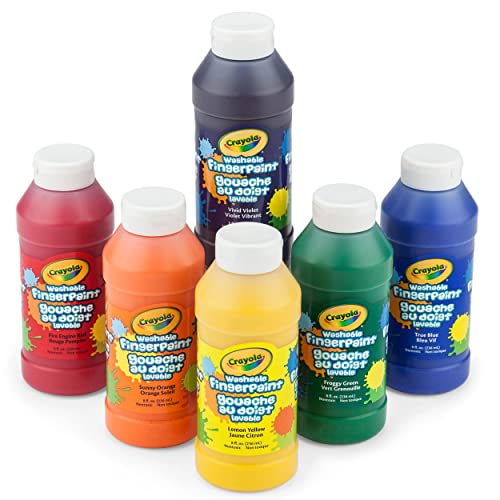
Best for: toddlers and early preschoolers who need dependable color and simple cleanup. The set includes six shades in 8 oz bottles with EZ Squeeze caps for less squeezing and fewer spills. Features emphasize washable results on skin and clothing, making it a practical classroom or home choice. Caution: avoid prolonged skin contact for sensitive individuals if any irritation occurs. This option is well-suited for basic finger painting and color mixing on paper or cardboard.
Honeysticks Non Toxic Finger Paint

Best for: parents seeking premium, kid-friendly textures that are easy to control. This set includes six pots of thick, creamy finger paint with cosmetic-grade colorings and water-based formulas. It washes off skin easily and dries well on paper, reducing smudges on displays. A caution: keep away from porous fabrics and wood where paint may be harder to remove. Ideal for first art moments and color exploration.
ABEIER Washable Finger Paint for Toddlers

Best for: classrooms and families that want a broad color range with simple cleanup. The kit offers 12 vibrant colors in 1.21 fl oz containers, formulated to be non-toxic and skin-safe per ASTM D-4236. It is described as washable from most surfaces, though perforated fabrics and wood may require extra effort. Choose this for extended color blending and sensory play.
Jar Melo Washable Finger Paints for Toddlers

Best for: parents and caregivers who want a generous supply for ongoing art activities. This set delivers 10 tubes, each 2.1 fl oz, with a focus on safety and non-toxicity. The large capacity supports longer play sessions with easy-to-use squeeze tubes. Caution: as with many finger paints, avoid ingestion and keep away from small parts for younger children.
Shuttle Art Washable Finger Paint Set

Best for: families or classrooms needing a broader palette for multi-student projects. The 15-color set uses water-based, non-toxic paints that wash off easily from skin and many surfaces. It aligns with ASTM D-4236 and EN71-3 standards, making it a solid option for school settings and large-scale art activities. Limitation: very porous surfaces may absorb colors more deeply, requiring pre-treatment.
Buying Guide: Key Considerations For Non Toxic Finger Paints
What age is the paint best suited for?
Most non toxic finger paints are designed for ages 1 and up, with younger children needing thicker textures and brighter colors for easier grip and control. For teens or older kids, thinner or more blendable formulas may be preferred for detailed designs.
Which formulas maximize safety and washability?
Water-based, non-toxic paints that conform to ASTM D-4236 provide clear safety indications. Look for paints marketed as washable from skin and fabrics, and avoid solvent-based or highly pigmented products for everyday use.
How many colors do you actually need?
Begin with a small color set (primary colors plus black and white) to enable color mixing. Larger sets offer more variety but can complicate cleanup. For classrooms, multiple sets or a broad palette can support group projects with minimal color repetition.
What surfaces will you use them on?
Most finger paints work on paper, cardboard, and canvas. Some blends perform well on fabrics or wood, but porous surfaces may retain pigment longer. Always test on a small area if using on unconventional materials.
What about cleanup and durability?
Choose paints with easy-to-clean packages (EZ Squeeze, flip-top caps) to reduce spills. Consider whether you need extra accessories like smocks or aprons to protect clothing, and plan for a dedicated space to minimize stains on furniture and floors.
Professional or classroom needs?
For group use, opt for multi-pack sets with clear labeling and consistent washability. For home use, smaller, simpler sets can offer sufficient color range with easy storage.
FAQ
- Are these finger paints safe for toddlers? Yes. All listed options are non-toxic and designed for young children, with washability features to reduce mess.
- Will finger paints stain clothing? Most colors wash out from skin and fabrics, but fabrics that are porous or untreated may require extra effort. Use washable fabrics and pretest if possible.
- Is there a risk of skin irritation? Most products are formulated to be skin-friendly, but check ingredients and discontinue use if irritation occurs. ASTM D-4236 compliance helps indicate safety.
- Can these paints be used on surfaces other than paper? Yes, many work on cardboard, canvas, and some fabrics, though porous surfaces may require more effort to clean.
- Do they dry quickly? Most finger paints dry within a short period on paper, reducing smudges and fade. Drying times vary by color and thickness.
- Are there vegan or fragrance-free options? Some brands emphasize fragrance-free or hypoallergenic formulas; check product details for specific allergen information.