For crafters seeking durable, wash-fast results on fabric, these permanent stamp inks meet different needs—from bold, opaque stamping to archival-quality impressions. Choose based on whether you stamp cotton, linen, or blends, and whether you require heat-setting or heat-free drying. This guide highlights five top options designed for fabric stamping, labeling garments, quilts, and crafts. Best for small to medium stamps, these inks offer long-lasting color, compatibility with common rubber stamps, and varying setting methods to suit your project timeline and care requirements.
| Product | Best For | Notes |
|---|---|---|
| Madam Sew Permanent Fabric Ink Pad | Precision stamping on cotton and linen | Heat-set required for permanence |
| Speedball Fabric Block Printing Ink | Bold, opaque color on fabrics and paper | No heat set required; dries overnight |
| Ranger AIP-31468 Archival Ink Pads | Archival, water-resistant on multiple surfaces | Waterproof after dry time |
| iMARK Textile Indelible Cloth Ink | Long-wearing marks on light fabrics | Permanent on cotton, linen, rayon |
| LemonSecret Black Fabric Ink Pads (2 Pack) | Two-pad set for ongoing projects | Consistent black impressions |
Madam Sew Permanent Fabric Ink Pad
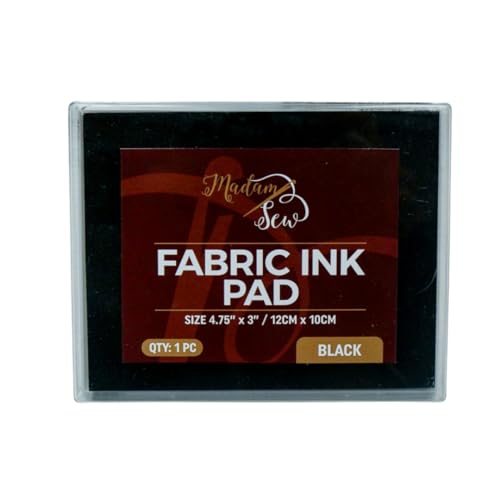
Best for fabric crafters who require crisp, high-definition impressions on natural fabrics. The ink is permanent after heat setting with a household iron, helping designs resist fading through repeated washing. It is compatible with most rubber stamps, especially those in the Madam Sew line. Consider this option when you stamp on cotton or linen and want reliable, clean ribbons of color that stay vivid over time. A potential limitation is the need for heat setting to achieve full permanence.
Speedball Fabric Block Printing Ink

Best for bold, opaque color with versatility across fabric and paper. The ink is water-miscible and oil-based, and does not require heat setting. It dries overnight, but you should allow a full week before washing for best colorfastness. This makes it ideal for projects where immediate ironing is not practical. It’s better for larger or more graphic designs and for those who want strong contrast on light or dark fabrics.
Ranger AIP-31468 Archival Ink Pads
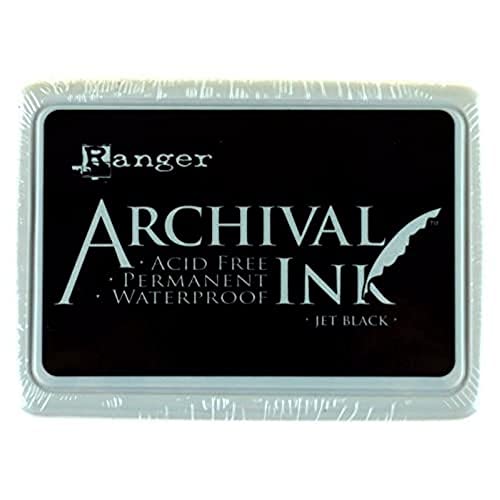
Best for archival quality and long-lasting impressions on multiple surfaces. These inks are designed to be permanent and resistant to water-based inks and markers. They are acid-free and non-toxic, making them suitable for lettering and labeling projects where longevity matters. Choose this if you need crisp, non-bleeding images on fabric, wood, or paper. A caveat is that archival inks may require longer drying times to prevent smudging on porous fabrics.
iMARK Textile Indelible Cloth Ink

Best for long-wearing marks on light fabrics such as cotton, linen, and rayon. The ink is designed to penetrate fibers and withstand frequent laundering. It is a practical choice when you need a durable, legible imprint on clothing or bags. A limitation is that colors may vary in intensity depending on fabric type and washing conditions; test on a swatch first.
LemonSecret Fabric Ink Pads (2 Pack)

Best for ongoing projects with two pads in one package, providing consistent black impressions. The high-density felt distributes ink evenly for uniform prints on cotton and linen. A potential drawback is that color options are limited to black in this pack, so consider this if you need multiple colors or a broader palette.
Buying Guide
- Fabric type matters. Cotton and linen respond well to heat-set inks, while some non-heat set options work on blends with proper dry times. Test a small area first.
- Setting method. Decide between heat-set permanence (iron/heat) and no-heat-set permanence (air-dry, quick-dry with time). Heat setting generally increases wash-fastness on natural fabrics.
- Stamp compatibility. Most inks are designed for rubber stamps. Confirm the pad size matches your stamp design for clean, even impressions.
- Color requirements. If you need bold black vs. colored inks, choose accordingly. Some inks are optimized for black ink, others offer a broader color range.
- Longevity and care. Archival or waterproof variants offer longer-lasting impressions. Consider how often the item will be laundered or exposed to moisture.
- Test and swatches. Always run a test imprint on similar fabric before committing to a project. This helps prevent unwanted fading or bleeding.
FAQ
- Do all permanent fabric inks require heat setting? Not all do. Some inks set permanently with air-drying, while others need heat to achieve wash-fastness. Check the product instructions for specifics.
- Can I use these inks on synthetic fabrics? Some inks work on natural fabrics best; others specify compatibility with certain synthetics. Review the label for fabric guidance and test on a small area.
- Will stamping on fabric bleed with washing? Permanence varies by ink and setting method. Heat-set or archival inks tend to resist bleed better, but testing is advised.
- Is one ink clearly better for all projects? No. For fine, crisp lines, a high-definition pad like Madam Sew may be preferable. For bold, durable blocks on multiple surfaces, Speedball or Ranger options may suit your needs.
- How should I store fabric ink pads? Keep them sealed and stored flat in a cool, dry place to preserve ink consistency and prevent drying.
- Are these inks safe for kids’ crafts? Many are non-toxic or acid-free, but always check the product’s safety notes and supervise use for younger crafters.