Adhesive backed foam tape delivers quick, mess-free sealing and insulation for doors, windows, equipment, and crafts. This guide highlights five top options, ideal for different needs—from weatherproofing and noise reduction to gasket-like sealing. Choose the best foam tape based on material durability, adhesive strength, flexibility, and temperature range. The top picks span sponge, EVA, neoprene, and closed-cell options to fit various surfaces and environments. The following sections explain who each product is best for and why it was selected.
Buyer-friendly table of chosen products
| Product | Best For | Key Benefit |
|---|---|---|
| Frost King R734H Sponge Rubber Foam Tape | Budget projects, quick seals | Simple, ready-to-use sponge tape |
| Bantie EVA Foam Weather Stripping | Large gaps, door frames | Upgraded mesh adhesive for strong hold |
| Neoprene Rubber Strips Self Adhesive (LSGCQ) | Durable seals, long life | Solid rubber with durable backing |
| Storystore Self-Adhesive Foam Tape | General home weatherproofing | High-density foam with strong adhesion |
| CloudBuyer Foam Strips (Neoprene) | Flexible DIY insulation | High flexibility, wide temperature tolerance |
Frost King R734H Sponge Rubber Foam Tape
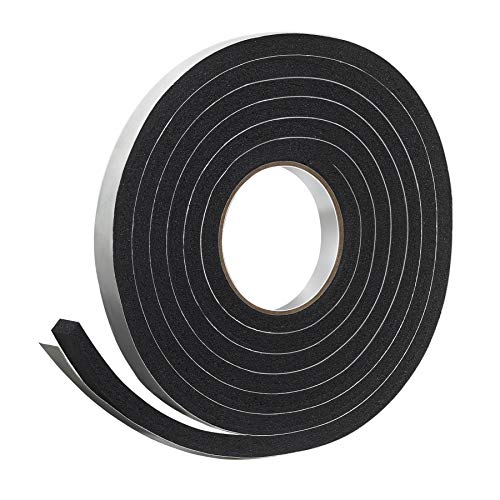
The Frost King sponge tape is a 3/4″ by 7/16″ black sponge tape. It is designed for straightforward, do-it-yourself sealing jobs and is marketed as a simple, ready-to-use kit. Best for budget-friendly weather sealing around doors and windows where quick installations are needed. Caution: data indicates single-material sponge composition; prolonged exposure to extreme temperatures may affect adhesion and longevity in harsh outdoor conditions.
Bantie EVA Foam Weather Stripping

The Bantie option uses EVA foam with a newly upgraded mesh adhesive designed for longer adhesion and easier operation. It’s described as soft and larger than standard foams, with grid lines to guide clean cuts and a waterproof, thermally insulating profile. Best for larger gaps in door frames and windows where a flexible, comfortable seal is desired. Choose this if you want easier cutting and robust adhesion; avoid if you need ultra-thin profiles for tight gaps.
Neoprene Rubber Strips Self Adhesive (LSGCQ)

These self-adhesive neoprene strips emphasize durability and weather resistance. Made from solid rubber, they promise long-lasting flexibility across a wide temperature range with strong self-adhesive backing for easy installation. Best for DIY projects needing a tough, flexible gasket solution; use with clean, dry surfaces. Limitation: permanent installation can be harder to remove cleanly if applied to delicate surfaces.
Storystore Weather Stripping Door Seal

Storystore offers a high-density foam seal with strong adhesive and a reputation for staying in place. It’s designed to reduce wind, dust, noise, and cold air, making it suitable for doors and windows. Best for households seeking noticeable improvements in room quietness and insulation. Limitation: the product description notes long-term adhesion without detailing removal impact on certain substrates.
CloudBuyer Foam Strips With Adhesive

CloudBuyer’s foam strips feature a neoprene-based foam with a strong adhesive and a wide operating temperature range. The kit includes two 2-inch by 1-inch strips and is marketed as adjustable and flexible for doors, vents, and windows. Best for users who need a longer length and flexible shaping; caution about the adhesive’s performance on very dusty or oily surfaces without proper surface preparation.
Buying Guide
What material should I choose?
– Sponge foam is lightweight and cost-effective; suitable for quick, low-stress seals. Best for temporary or indoor uses.
– EVA foam offers good compression and cutting ease with enhanced adhesion in many weather-stripping tasks. Choose for general weatherproofing with larger gaps.
– Neoprene (rubber) provides durability, resilience against deformation, and broad temperature tolerance. Ideal for high-traffic areas or outdoor applications.
Is adhesive strength more important than thickness?
Adhesive backing is crucial for staying in place on smooth surfaces. Thicker foam provides better sealing against larger gaps, but excessive thickness can hinder fit in tight spaces. Balance adhesion with foam density for your gap size.
How to prep surfaces for best results?
Clean, dry, and oil-free surfaces before applying. For glossy finishes, lightly roughen with fine sandpaper to improve bonding. Hold pressure for 30–60 seconds during initial set to maximize adhesion.
How long should I expect the seal to last?
Durability depends on material and environment. Neoprene and high-density EVA typically offer longer life in variable temperatures, while sponge foam performs well indoors but may degrade in direct sun or rain over time.
What should I avoid when applying?
Avoid applying on dusty, wet, or highly oily surfaces. Do not stretch foam excessively during application, as this can weaken the seal and reduce adhesion over time.
FAQ
- What is adhesive backed foam tape best used for?
- Which material is most durable for outdoor use?
- Can foam tape seal water leaks?
- How do I know the tape length I need?
- Is there a risk of residue on removal?
- What surfaces work best for these tapes?
It seals gaps around doors and windows, reduces drafts, and helps dampen noise. It is also used for DIY gasket and padding tasks.
Neoprene rubber offers the best durability and temperature tolerance for outdoor environments.
Foam tape can help reduce minor drafts and leaks but may not be suitable for active water intrusion. For persistent leaks, use a dedicated waterproof sealant in combination with weather stripping.
Measure the perimeter of the area to seal and add a small buffer for overlaps. It’s common to cut foam tape to fit precisely with scissors or a utility knife.
Some adhesives can leave residue on certain surfaces. Testing on a small area first is recommended and choose products advertised as residue-free if removal is a priority.
Smooth, clean surfaces like painted wood, metal, glass, and some plastics yield the strongest adhesion. Porous or dusty surfaces may require surface prep or alternative products.