Low tack protective films are designed to shield delicate surfaces during painting, construction, or handling without leaving sticky residues. This guide highlights five strong options ideal for DIY projects, professional jobs, and quick touchups. Each product is evaluated for surface compatibility, ease of use, and longevity. The buyer is typically a homeowner, contractor, artist, or craftsperson seeking reliable protection with minimal cleanup.
| Product | Best For | Key Benefit |
|---|---|---|
| Original Frisket Matt Masking Film | Fine art and craft projects | Low-tack masking with versatile sheet/roll options |
| ProTapes Nitto SPV224 | Metal surfaces during processing | Low-tack PVC protection for polished metals |
| ArmorDillo Blue Window Protection Film | Glass and windows during renovations | Temporary UV-resistant shielding with clean removal |
| Gopbod 2 Rolls Blue Window Film | Large-area surface protection | Two rolls with high-visibility blue film and easy cutting |
| Avery TouchGuard Film | high-traffic areas | Coated to resist dirt and easy cleaning |
Original Frisket Matt Masking Film

Best for artists, hobbyists, and light-duty masking tasks. The Frisket film is the original masking option offered in sheets and rolls, with regular low-tack and new medium-tack variants. It provides clean edge control for delicate surfaces but may be less durable for heavy abrasion. Choose this if you need precise masking for paper, watercolor, or light spray projects and want flexible formats.
Caution: Ensure surface is dust-free and dry before application to maximize residue-free removal. Not ideal for long-term outdoor exposure without reapplication.
ProTapes Nitto SPV224 Protective Tape

Best for protecting polished metals during mechanical processing. This PVC surface protection tape uses a low-tack adhesive that adheres well but cleans up easily, making it suitable for metal parts, machinery, and shop environments. It’s a strong choice when you need a durable film that resists abrasion during manufacturing tasks.
Better for metal fabrication than for painted or porous surfaces. It may not conform as well to highly curved or irregular shapes compared with thinner films.
ArmorDillo Blue Window Protection Film

Best for rapid shielding of glass, windows, and smooth surfaces during painting or remodeling. The ArmorDillo film is self-adhesive, removes cleanly, and offers 45-day UV resistance, making it suitable for indoor or outdoor projects. It’s a practical pick for temporary window coverings and delicate glass protection.
Limitations: If you need ultra-long-term protection beyond 45 days or heavy weather exposure, evaluate alternative UV-rated options.
Gopbod Blue Window Film (2 Rolls)

Best for large-area coverage and budget-friendly projects. The Gopbod set includes two rolls in a clear protective window film that is easy to cut and apply. It’s suitable for general window masking, protecting fixtures, and other sizable surfaces during painting or construction.
Note: Surface preparation matters; ensure the surface is smooth and dry before applying to prevent air pockets and poor adhesion.
Avery TouchGuard Film
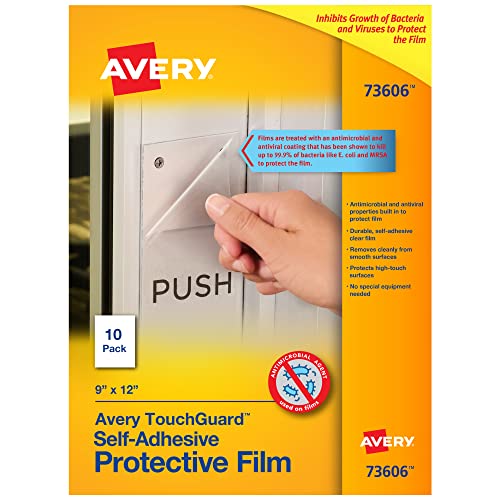
Best for high-traffic areas in schools, offices, or reception spaces. Avery TouchGuard adds a protective layer to surfaces and can be cleaned with common solutions, helping sustain hygiene and appearance in busy environments. This film is designed for frequent wipe-downs and touchpoint protection.
Limitation: Its performance hinges on proper cleaning schedules; residues from harsh cleaners can affect long-term adhesion if misused.
Buying Guide: Key Considerations for Low Tack Protective Films
- Surface Type: Identify whether you’re protecting glass, metal, plastic, or painted surfaces. Some films bond better to smooth glass, others to metal or wood.
- Adhesion Level: Low-tack is designed for temporary protection and easy removal. Medium-tack options may hold longer but can leave residue on delicate surfaces.
- UV Exposure: Consider indoor vs. outdoor use. UV resistance extends film life for exterior jobs.
- Application Area: For large areas, two-roll sets or larger widths can reduce seams and improve protection.
- Removal Cleanliness: Look for films marketed as residue-free or easy removal to minimize cleanup time.
- Durability vs. Flexibility: Sturdier films resist tearing but may be less conformable on curved edges. Choose based on project shape.
- Compatibility with Paints and Cleaners: Some films interact with certain solvents; verify compatibility for your paints and cleaners.
Frequently Asked Questions
- What is low tack protective film best used for? – It protects surfaces during painting, masking, or handling while allowing safe removal without residue.
- Can I use these films outdoors? – Some films have UV resistance; check product specs for outdoor use and duration.
- Will these films leave adhesive behind? – High-quality low-tack films are designed for clean removal, but always test on a small area first.
- How do I apply for best results? – Clean, dry, and smooth surfaces; apply with gentle tension and avoid air bubbles; cut to fit edges precisely.
- Are there films specifically for glass? – Yes, several products target glass protection, offering clear visibility and clean removal.
- What should I do if the film tears easily? – Check if your surface is dusty or rough; consider a film with a higher tensile strength or a different tack level.