Discover the most effective mold killer options for hard surfaces, bathrooms, and HVAC environments. This guide highlights five top picks, explaining who each product is best for and why they stand out. Ideal buyers include homeowners tackling stubborn mold, renters needing quick-acting cleaners, and those seeking EPA-registered disinfectants for multi-use convenience. The summary table below helps you compare at a glance.
| Product | Best For | Notes |
|---|---|---|
| MOLD ARMOR Professional Brand Mold Kill & Control Spray | Non-porous surfaces; quick results | Visible results in minutes; broad surface compatibility |
| RMR-141 EPA Registered Mold and Mildew Killer | All-around disinfection and mold removal | EPA registered; strong disinfectant |
| Vital Oxide Disinfectant (32 oz) | HVAC and hard surfaces | Odor control and mold inhibition |
| Mold Armor Rapid Clean Remediation | One-step mold control | Fast, one-step formula |
| Wet & Forget Indoor Mold and Mildew Cleaner | Soft surfaces and large areas | Sanitizes and deodorizes over time |
MOLD ARMOR Professional Brand Mold Kill & Control Spray
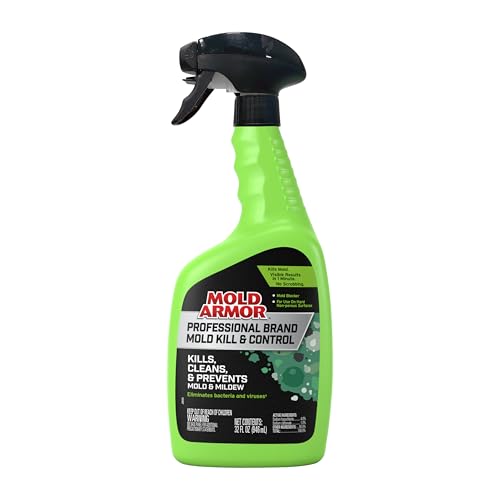
MOLD ARMOR kills, cleans, and prevents mold and mildew on hard, non-porous surfaces. This fast-acting formula shows visible results in minutes and reduces the need for scrubbing. It’s suitable for laminate, linoleum, sealed grout, stainless steel, and plastic surfaces. It also helps eliminate bacteria and viruses in areas like showers, bathrooms, bedrooms, and basements.
Best for: quick, no-scrub mold cleanup on non-porous surfaces. Better for: bathrooms and kitchens with glossy, sealed finishes. Caution: not intended for porous materials like drywall or wood without testing first.
RMR-141 EPA Registered Mold and Mildew Killer

RMR-141 RTU is an EPA-registered mold and mildew killer that also helps remove odors. It’s designed for disinfection in one step and is noted for effectiveness against bacteria and viruses. The product emphasizes its regulatory backing and broad protective claims, making it suitable for multi-room use in homes and small offices.
Best for: households needing an all-in-one mold and disinfection solution. Choose this if: you want EPA-registered coverage and broad odor control. Limitation: real-world effectiveness can vary by surface and soil level; test on delicate finishes first.
Vital Oxide Disinfectant, Deodorizer, Cleaner (32 oz)

Vital Oxide provides a broad antimicrobial approach, targeting mold and mildew while deodorizing and disinfecting hard non-porous surfaces. It’s positioned for HVAC treatment and general surface cleaning, with rapid bacteria kill claims and mold-inhibition on soft surfaces up to weeks under certain conditions.
Best for: hard-to-reach HVAC and large surface areas needing rapid disinfection. Choose this if: you need a product with HVAC applicability and lasting odor control. Limitation: users should follow ventilation guidance during application and drying times.
Mold Armor Rapid Clean Remediation
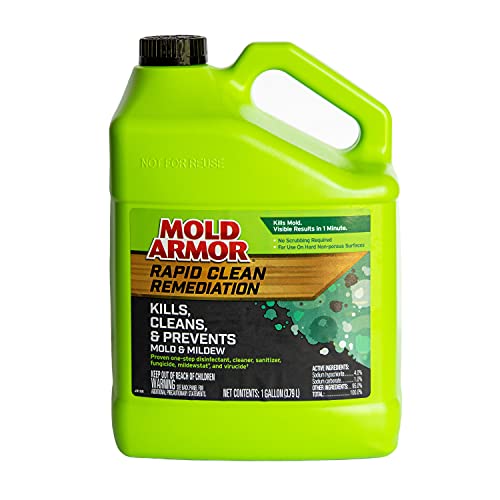
This one-step formula from Mold Armor acts as a disinfectant, sanitizer, fungicide, and virucide, delivering rapid mold and mildew control with visible results in just one minute. It’s formulated for hard, non-porous surfaces and emphasizes a non-abrasive cleaning action.
Best for: quick, one-step remediation on hard surfaces. Better for: spaces needing fast surface turnover between cleanings. Caution: may not penetrate deeply into porous materials or porous grout without additional treatment.
Wet & Forget Indoor Mold and Mildew Cleaner

Wet & Forget offers an indoor all-purpose cleaner that kills 99.9% of bacteria and viruses and inhibits mold and mildew growth. It deodorizes and removes mold odors at the source and is suitable for soft surfaces, fabrics, and other porous materials. It requires initial application and time to activate for odor and mold control.
Best for: areas with soft furnishings or large surface areas where a longer activation period is acceptable. Choose this if: you prefer a product that deodorizes while treating mold. Limitation: not a quick-surface wipe solution; results appear with time and proper use on fabrics.
Buying Guide: Key Considerations for Choosing a Mold Killer
- Surface type — Use non-porous surfaces for fast-acting spray cleaners. Porous materials (wood, drywall, grout) may require penetrating treatments or follow-up cleaning.
- Disinfection vs. mold removal — If disinfection is also a goal, choose EPA-registered products or those advertised as virucides and fungicides.
- Application speed — For quick turnover in bathrooms or kitchens, products that demonstrate visible results in minutes are advantageous.
- Odor control — Some formulas include deodorizing features, which is helpful in damp, mold-prone spaces.
- HVAC and large spaces — For ducts and large areas, look for clinically tested products with broad surface coverage and guidance on use in air systems.
- Safety and testing — Always test on a hidden area first and follow label directions. Some products warn against use on delicate finishes or porous materials.
- Cautious use with fabrics — For soft surfaces, verify fabric safety and consider products designed for textiles and upholstery.
How to Use Mold Killers Effectively
- Prepare the area by removing excess moisture and ensuring good ventilation.
- Apply according to label directions and avoid mixing products unless specified.
- Let dwell time occur where required to maximize mold and mildew contact.
- Rinse or wipe surfaces when necessary and dry completely to prevent re-growth.
Frequently Asked Questions
- What is the best mold killer for bathrooms? A product that targets mold on non-porous surfaces and provides rapid visible results is typically preferred for bathrooms. EPA-registered options add disinfection benefits.
- Can these products prevent mold from returning? Many formulas include mildew inhibitors or residual properties, but ongoing moisture control is essential to prevent re-growth.
- Are mold killers safe for homes with pets or children? Check the label for safety instructions and ensure proper ventilation during and after application. Use when areas are dried and off-limits to pets or children if required.
- Is it necessary to disinfect after mold removal? Disinfecting can be beneficial in spaces with high contamination risk or where surfaces contact skin or food, but follow label guidance to avoid overuse.
- Do these products work on porous surfaces? Many mold removers are most effective on non-porous surfaces. Porous materials may require additional steps or specialized treatments.
- How long does it take for mold to reappear? Re-growth depends on moisture, humidity, and airflow; controlling moisture is critical for long-term results.