Direct answer: For removing rust and hard-water stains from toilet bowls, choose proven rust-and-stain removers or durable pumice-based cleaners that cling to surfaces. The top picks below are best for different situations—deep-seated rust, mineral buildup, or daily maintenance. This guide helps buyers select products by rust type, toilet material, and septic considerations, with clear pros, cons, and suitability notes.
Summary of top products (selected by rust-removal effectiveness and ease of use):
| Product | Best For | Key Benefit |
|---|---|---|
| Lysol Lime & Rust Toilet Bowl Cleaner | Deep rust and mineral stains | Clinging gel fights hard water stains |
| IRON OUT Automatic Toilet Cleaner Tablets | Rust prevention with every flush | Lasts up to 45 days |
| Zep Acidic Toilet Bowl Cleaner | Heavy mineral buildup | Acid-based formula for tough stains |
| Rust-Oleum RustGuard Tablet | Rust prevention in white or colored toilets | Stops rust with each flush |
| Vacplus Pumice Stone Toilet Cleaner | Hard water rings and limescale | Non-toxic, eco-friendly scrubbing option |
Lysol Lime & Rust Toilet Bowl Cleaner
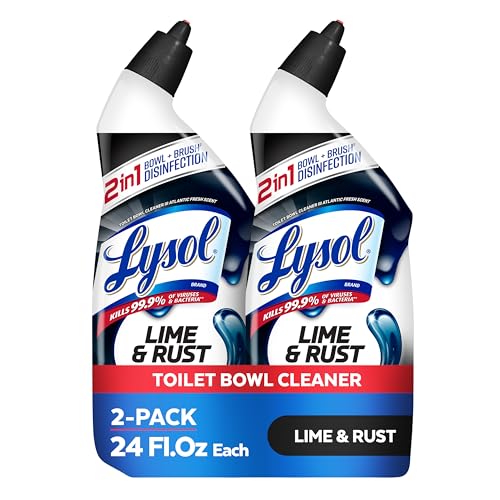
Lysol’s lime and rust cleaner uses a clinging gel to attack mineral buildup and rust stains around the bowl and under the rim. It also disinfects and deodorizes, making it a good all-purpose cleaner for households dealing with hard water. Best for: households needing a sanitizer alongside rust removal; septic-safe environments are indicated by product labeling.
Best for: deep cleaning with less scrubbing. Limitations: as a gel, it relies on contact time; heavy buildup may require multiple applications. Selection rationale: its combination of rust-targeting power and germ-killing action makes it a versatile daily-use option.
IRON OUT Automatic Toilet Bowl Cleaner Tablets

IRON OUT tablets prevent rust stains with every flush, lasting up to 45 days. They are designed to be compatible with most toilets and septic systems. Best for: households seeking ongoing rust prevention without frequent scrubbing. Limitation: not a gel cleaner, so initial removal of existing rust should be addressed with a bowl-cleaning step beforehand. Rationale: good for maintenance after an initial rust-removal phase.
Zep Acidic Toilet Bowl Cleaner

Zep offers an acidic formula designed to tackle stubborn mineral deposits and heavy staining. This option is best for bathrooms with very tough buildup where non-acid cleaners struggle. Best for: quickly dissolving mineral scales in concentrated areas. Limitation: acidic products may require careful handling and proper ventilation; avoid on sensitive surfaces or metals not rated for acidic cleaners. Rationale: strongest on mineral buildup among mainstream options.
Rust-Oleum RustGuard Rust Stain Remover
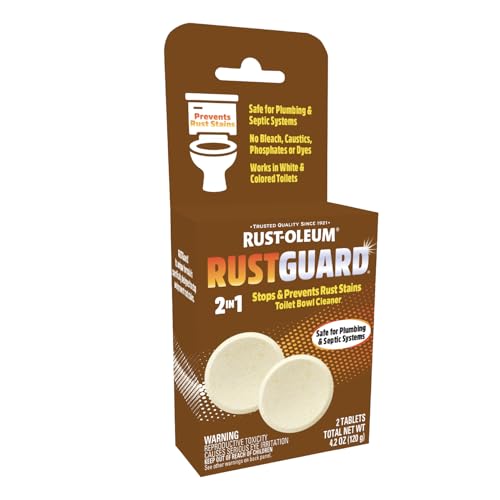
Rust-Oleum’s RustGuard tablets are designed to address rust staining and prevent future buildup, functioning well on both white and colored toilets. Best for: preventing rust and minimizing recurring stains with every flush. Limitation: tablets require proper placement in the toilet tank and regular replacement to maintain effectiveness. Rationale: provides ongoing rust control with a simple maintenance routine.
Vacplus Toilet Brush with Pumice Stone

Vacplus combines a pumice stone with a toilet brush on a long handle, enabling direct scrubbing to remove limescale, rust stains, and hard-water rings. Best for: users who want a physical, on-demand scrubbing option alongside chemical cleaners. Limitation: pumice must be used with water and is not suitable for delicate metal finishes or certain plastic surfaces. Rationale: a practical, eco-friendly scrubber that targets resistant buildup when used correctly.
THE CLEAN PEOPLE Toilet Bowl Cleaner Tablets
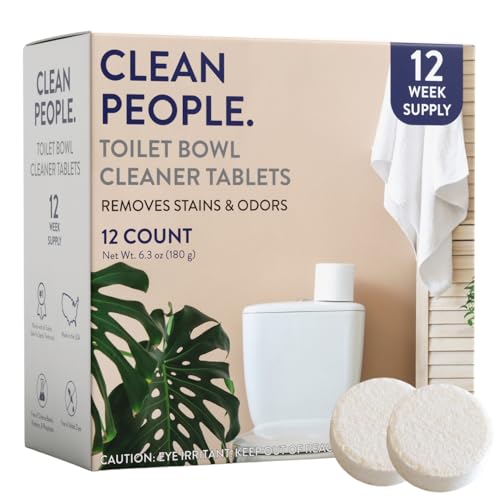
These tablets offer a septic-safe formulation focused on removing hard water stains and odors to keep bowls clean and fresh. Best for: households prioritizing simple, phosphate-free cleaning with environmental considerations. Limitation: tablets may require more time to dissolve and act on heavy rust compared to targeted gels. Rationale: an eco-friendly option that reduces harsh chemicals while delivering ongoing cleaning performance.
Laiyeoy Toilet Bowl Cleaner Pumice Stone (2 Pack)

Laiyeoy offers a pumice stone-based cleaner with an ergonomic handle to remove rust, lime, and hard-water buildup. Best for: households wanting a durable, reusable pumice option with broad use beyond toilets. Limitation: must be used with water and is not suitable for all delicate surfaces. Rationale: versatility and eco-friendly components provide long-term rust-stain control with physical scrubbing support.
Buying Guide: Key Considerations For Rust Removal In Toilets
- Rust type and buildup: If rust is extensive, combine a gel or acidic cleaner with mechanical scrubbing or pumice stone to loosen deposits.
- Toilet surface compatibility: Some cleaners are acidic or abrasive; ensure compatibility with porcelain and colored bowls to avoid discoloration.
- Septic system impact: For homes with septic tanks, prioritize septic-safe formulas and avoid phosphates or harsh chemicals when possible.
- Maintenance vs. removal: Use rust-preventing tablets for ongoing prevention after initial rust removal to curb future staining.
- Ventilation and safety: Many strong cleaners require ventilation and protective gloves; follow product directions for safe use.
- Ease of use: Gel cleaners cling to surfaces, while tablets offer hands-off maintenance; pumice stones require manual scrubbing but are very effective on mineral buildup.
Frequently Asked Questions
- What is the best method to remove hard water rust from a toilet bowl?
Answer: A combination approach works best—apply a rust-focused cleaner (gel or acidic), let it sit, then scrub with a pumice stone or scrubber, and flush to rinse. - Are rust-prevention tablets worth it for every flush?
Answer: They help prevent new rust marks and mineral buildup, especially in hard water areas, but rely on regular replacement as directed. - Can pumice stones scratch porcelain?
Answer: When used correctly with water and gentle pressure, pumice stones remove buildup without scratching porcelain; avoid metal surfaces or delicate coatings. - Is it safe to use multiple rust removers together?
Answer: It is not recommended to mix cleaners; use one product at a time to prevent chemical reactions and ensure proper rinsing. - How long should cleaner sit before scrubbing?
Answer: Follow the product label; typical dwell times range from 30 seconds to several minutes for tough stains. - Do these products work on colored toilets?
Answer: Some products are formulated for both white and colored toilets; check labeling to avoid discoloration.