Answer: If you want an eco-friendly, plastic-free way to manage kitchen scraps, paper compost bin liners are a smart choice. They’re designed to fit standard small to medium bins, seal odors, and break down with your compost. This guide highlights five top options, ideal for small urban kitchens, eco-conscious households, and offices seeking greener waste solutions. Each product is selected for leak resistance, compostability, and practical design. The summary table below helps you compare core features at a glance.
| Product | Size / Capacity | Certifications | Best For |
|---|---|---|---|
| Hytrend Kitchen Food Waste Bag | Small, fits standard bins | BNQ, BPI | Compact, leak-resistant storage |
| JENCENBIO Compostable Paper Bag | 30 bags total | BPI ASTM D6400 | Odor control and leak prevention |
| KAIHENG Kitchen Waste Bags | 50 bags | Not specified | Plastic-free, odor sealing |
| Bag to Earth Kitchen Waste Bag | 30 bags | Certified compostable | 100% paper, fully compostable liner |
| GreFusion Compostable Bags | 125 count | BPI, OK Compost | Multi-bin compatibility, strong liner |
Hytrend Kitchen Food Waste Bag — 35 Bags

The Hytrend bag is a small, foldable-top liner designed for easy opening and secure sealing. It fits standard trash bins without adjustments and is made from renewable resources. Best for apartment kitchens and tight spaces where quick, convenient bag changes are key. A potential limitation is that the data does not specify exact bin compatibility beyond “standard bins.”
You’ll choose this if you value a foldable top for mess-free sealing and need a compact, renewable-material liner for daily food scraps.
JENCENBIO Compostable Paper Bag, 30 Bags

JENCENBIO offers a 30-bag bundle with a compostable PLA liner and a brown, naturally sized bag. It’s certified to BPI ASTM D6400, ensuring industrial compostability. The liner helps prevent leaks, and the bags are suitable for fruit, vegetable, and food waste storage. A consideration: product description emphasizes versatility beyond kitchen waste, which may affect bin-specific performance expectations.
You’ll choose this if you want a certified, leak-resistant liner with strong compostability credentials and multi-use versatility.
KAIHENG Compostable Paper Bags — 50 Count
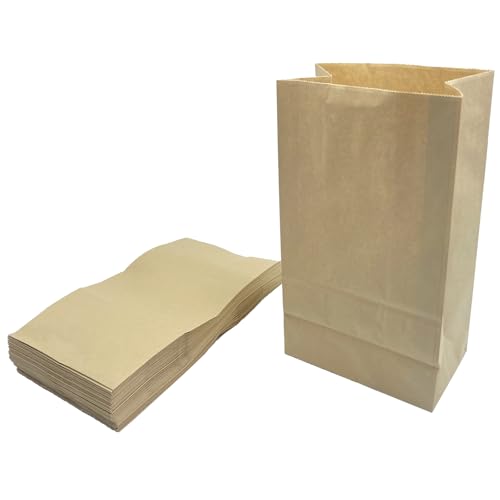
These Kraft paper bags are designed to be plastic-free and odor-sealing when the top is folded. They’re marketed as eco-friendly and reusable in some contexts, with a short degradation cycle. The absence of explicit certification details could be a limitation for buyers prioritizing formal standards.
You’ll choose this if you want a plastic-free option with an emphasis on odor containment and easy folding for everyday use.
Bag to Earth Kitchen Food Waste Bag — 30 Bags

Bag to Earth emphasizes 100% paper cellulose liners with leak resistance and full compostability. The product is positioned as a practical all-wood fiber solution for kitchen organics. A potential limitation is that some users may want explicit odor-control claims beyond “leak resistant.”
You’ll choose this if you want a fully compostable, paper-only liner with clear environmental benefits and a simple design.
GreFusion Compostable Bags — 125 Count

GreFusion bags are certified by BPI and OK compost, with ASTM D6400 and EU EN 13432 alignment. They fit a range of small countertop bins and are designed to be durable for regular kitchen scraps. Note that this product is described with multiple certifications that can aid in global compliance and compostability claims.
You’ll choose this if you want broad compatibility with various small bins and strong third-party certifications for compostability.
Buying Guide
Key questions to guide your selection:
- What bin size do you use? To avoid overflow or waste, choose liners that fit your bin diameter and height.
- Do you require certified compostability? Look for BPI, OK compost, BNQ, or EN 13432 standards to ensure end-of-life performance.
- Is odor control a priority? Bags with sealing folds or liners help trap smells between disposal cycles.
- Plastic-free or leak resistance? Decide whether a fully paper liner suffices or you need a PLA liner for moisture protection.
- Are multi-pack counts important? If you generate waste daily, larger bundles reduce replacement frequency.
Practical tips for use:
- Store liners in a cool, dry place to prevent premature degradation.
- Fold the top securely to minimize leaks and odor escape between bag changes.
- Remove the full bag without tearing and replace with a fresh liner to maintain cleanliness.
FAQ
- Q: Are these bags suitable for fridge storage? A: Some bags are designed for fridge use, especially when they feature odor sealing; check product specifics for cold storage suitability.
- Q: Do these liners break down in standard home compost? A: Many are labeled for industrial composting; some also support home composting, but verify the standard and your facility’s capabilities.
- Q: Will the PLA liners leak with wet waste? A: High-quality PLA liners reduce leaks, but avoid overfilling and consider double-bagging for very wet waste.
- Q: Are these bags compostable in backyard compost piles? A: Certification like OK compost HOME indicates suitability for home composting; confirm the standard on the package.
- Q: How do I dispose of used liners? A: Place full bags directly into your composting system if approved by your facility; otherwise follow local guidelines for compostable waste.
- Q: Can I reuse these bags? A: Many are designed for single use due to organic waste contact and compostability claims. Reuse is generally not recommended.