Whether you’re a professional painter or a hobbyist, choosing the right solvent for cleaning spray guns saves time, protects equipment, and prevents cross-contamination of paints. This guide highlights five top solvents and cleaners, explaining who each is best for, plus practical buying tips. The selections cover solvent-based and waterborne paint removers, plus multi-purpose cleaners and kits to fit varied setups and budget needs.
| Product | Best For | Notes |
|---|---|---|
| 3M High Power Spray Gun Cleaner | Automotive and industrial spray guns needing fast, deep-cleaning | Excellent reach with a spray wand; reduces solvent usage |
| KLEAN-STRIP Naked Gun Paint Remover | Both solvent-based and waterborne paints | Includes extension tube for precision cleaning |
| Custom Shop Restoration Spray Gun Solvent | Strong, compliant thinning and cleaning for urethanes, lacquers | Low VOC compliant solvent option |
| Slip 2000 725 Gun Cleaner | Heavy grime and cosmoline removal | Aqueous-based; petroleum-free |
| LiME LiNE Urethane Cleaner | Automotive painting tools including airbrushes | Includes bonus cleaning brush |
3M High Power Spray Gun Cleaner
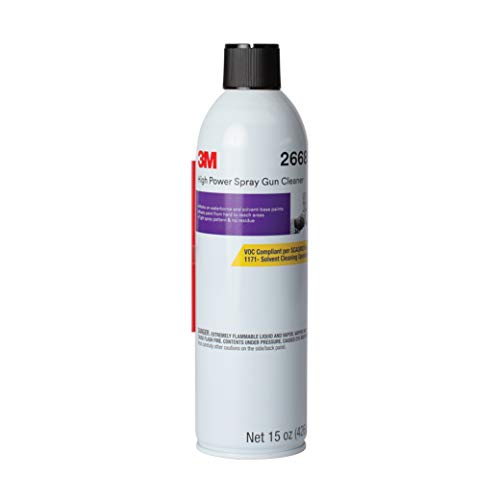
Best for: Automotive shops and industrial spray equipment users who need a strong, fast-acting cleaner with a focused spray pattern. Why selected: The aerosol formula with a wand can reach hard-to-clean areas like spray gun bodies, hard paint cups, atomizing heads, hoses, and fittings, reducing cleanup time and solvent usage. Caution: Ensure compatible with your gun materials and seals to prevent solvent damage.
KLEAN-STRIP Naked Gun Paint Remover

Best for: Crafters and pro shop users cleaning both solvent-based and waterborne paints. Why selected: It delivers a potent aerosol spray stream and includes an extension tube for pinpoint accuracy, helping reach internal parts without overspray. Limitation: As an aerosol, it requires proper ventilation and storage away from heat sources.
Custom Shop Restoration Solvent

Best for: Automotive refinishing operations needing a compliant cleaner with strong thinning and paint removal for urethanes, lacquers, enamels, resins, and inks. Why selected: The KT-025 compliant formula is designed for fast-acting cleanup with low VOC emissions. Caution: Validate compatibility with specific spray gun seals before use.
Slip 2000 725 Gun Cleaner
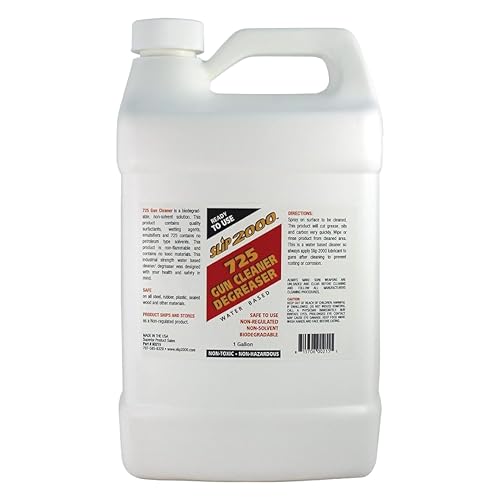
Best for: Guns with heavy cosmoline, carbon, or grime buildup. Why selected: It’s a non-petroleum, aqueous-based cleaner that effectively degreases and loosens heavy deposits. Limitation: May require longer soak times for very encrusted parts.
LiME LiNE Urethane Cleaner

Best for: Automotive painting enthusiasts and professionals using urethane systems. Why selected: Includes a bonus cleaning brush and is designed to clean both spray guns and airbrushes. Caution: Check chemical compatibility with delicate airbrush components before use.
KLEAN-STRIP Naked Gun Spray Gun Cleaner

Best for: Cleaning spray gun bodies, tips, cups, hoses, and fittings, suitable for automotive and hobbyist setups. Why selected: It offers efficient cleaning power for solvent and waterborne paints with a convenient extension tube. Limitation: As with other solvent cleaners, ensure safe ventilation and avoid prolonged exposure to skin.
ROIKETU 17-Piece Cleaning Kit
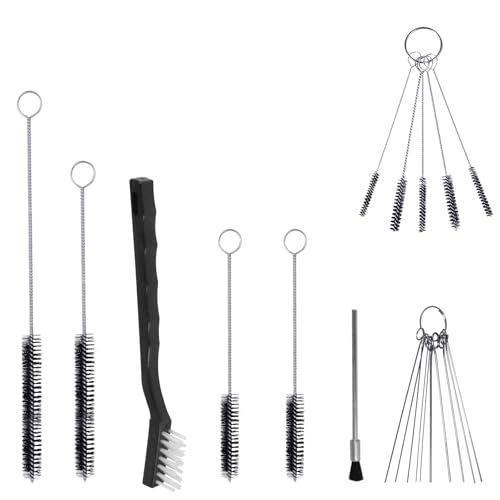
Best for: Complete spray gun maintenance with multiple gun types and tattoo equipment. Why selected: This kit includes nylon brushes and mini tools to reach nozzles and tubes across many gun styles. Caution: Not a standalone solvent—use with compatible cleaners for best results.
Buying Guide: Key Purchase Considerations
- Paint type compatibility: Choose a cleaner tailored to solvent-based, waterborne, or universal cleaners to avoid material compatibility issues with seals and coatings.
- Application method: Aerosol cleaners with extension tubes offer precision and reach, while bulk liquids are cost-effective for frequent use.
- VOC and safety: Low-VOC formulas are preferable for compliant shop operations and indoor use; ensure adequate ventilation and personal protective equipment.
- Equipment scope: Consider whether you need a cleaner for spray guns only, or a kit that includes brushes and tools for airbrushes and detail guns.
- Storage and handling: Keep solvents away from heat sources, and store in labeled, sealed containers to prevent evaporation and contamination.
- Usage efficiency: Look for products that reduce cleanup time and solvent waste through targeted spray patterns or precision nozzles.
Frequently Asked Questions
- What should I clean first after painting with urethane finishes?
Clean spray gun components closest to the nozzle first to prevent cured paint from clogging the ports.
- Can I use the same cleaner for all spray gun types?
Not always. Check the product label for compatibility with your gun’s seals and materials.
- Is an extension tube necessary for spray gun cleaners?
Extension tubes improve reach and precision, especially for internal passages and fittings.
- Are water-based cleaners safer than solvent-based ones?
Generally, aqueous cleaners are lower in VOCs and may be safer indoors, but always follow safety guidelines and manufacturer instructions.
- How should I dispose of used cleaners?
Follow local regulations for disposal of paint cleaners and solvents; never pour them down drains unless permitted.
- Do cleaning kits offer advantages over single products?
Yes, kits provide a complete set of brushes and tools that help maintain multiple gun types beyond spray guns alone.