Find the right foam pad cleaning brush to extend pad life, restore performance, and keep detailing sessions efficient. This guide highlights five top options suited for hobbyists and pros alike, with clear reasons to choose each based on pad type, handle design, and bristle strength. Use these picks to maintain foam, wool, and microfiber pads used on DA or rotary polishers.
| Product | Best For | Key Benefit |
|---|---|---|
| Chemical Guys BUF_900 Foam Pad Conditioning Brush | Everyday detailers | Durable construction for frequent use |
| AKVIBG Polishing Pad Cleaner Tool | Professional upkeep | Nylon bristles with ergonomic angled handle |
| Maxshine Universal Foam Pad Conditioning Brush | Multiple pad types | Stiff bristles that restore pad performance |
| Nanoskin Pad Conditioning Brush | DIY enthusiasts | Ergonomic, quick-clean design |
| LAUCO Polish Pad Conditioning Brush | Professional detailers | Heavy-duty toolset for quick maintenance |
Chemical Guys BUF_900 Foam Pad Conditioning Brush
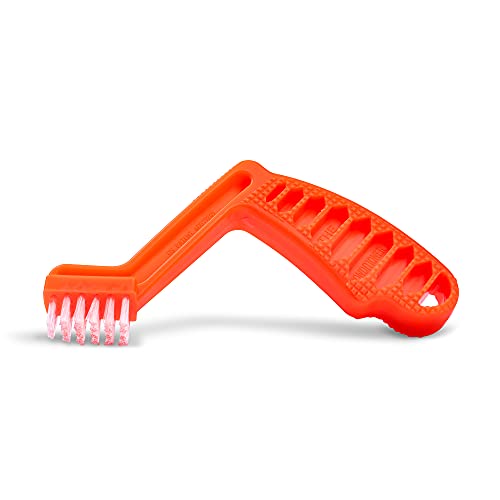
The Chemical Guys BUF_900 is a robust foam pad conditioning brush designed to clean and recondition foam buffing pads. It is best for detailers who work with frequent pad changes and require a dependable tool for standard maintenance. Its tough construction helps withstand constant use without excessive wear, making it suitable for shop or home garage setups. Use this brush to dislodge dried compound and residue from foam pads after polishing sessions. A potential limitation is that very dense or heavily caked pads may still require additional cleaning steps.
AKVIBG Polishing Pad Cleaner Tool

AKVIBG offers a professional-grade pad cleaner with heavy-duty nylon bristles and an ergonomically angled handle. This design keeps hands at a safe distance from the polishing machine while delivering effective cleaning power that extends pad life. It’s well suited for detailers who routinely battle buildup on foam and microfiber pads. Best for: professionals who value a durable tool and a comfortable grip. Caution: extremely dry or hardened residues may require pre-wetting or pre-cleaning for optimal results.
Maxshine Universal Foam Pad Conditioning Brush

Maxshine emphasizes universal compatibility with foam, wool, and microfiber pads used on DA or rotary polishers. The brush bristles are stiff enough to remove dried compound and polish buildup without tearing the pad, helping restore performance. It’s a solid choice for detailers who switch among pad types or work on mixed projects. Best for: users seeking a single tool that can handle several pad materials. Limitation: may be less effective on extremely caked pads without prior agitation.
Nanoskin Pad Conditioning Brush

The Nanoskin Pad Conditioning Brush focuses on ease of use and pad longevity. It helps remove excess product buildup and debris to return pads to near-original condition for better performance. The ergonomic design supports quick, comfortable cleaning for professionals and DIY enthusiasts alike. Best for: quick cleanups and extending pad life. Caution: not all customers may find the bristle stiffness optimal for every pad type; some may prefer a softer option for delicate pads.
LAUCO Polish Pad Conditioning Brush

LAUCO presents a professional-grade spur tool and conditioning brush set designed to clean polishing, finishing, and buffing pads quickly. The combination helps remove wet and dry debris, glaze, and compound buildup, enabling faster pad reuse. It features a heavy-duty design with an angled handle to keep hands away from the spinning backing plate. Best for: shop environments and pros who demand efficient pad maintenance. Limitation: the dual-tool setup may require storage space and a short acclimation period for optimal handling.
Buying Guide
What should influence your choice among foam pad cleaning brushes?
- Pad material compatibility: Choose a brush that works well with foam, wool, and microfiber pads you commonly use.
- Bristle stiffness: Tighter bristles remove dried product more effectively but may risk foam damage on delicate pads. Balance with pad type and use case.
- Handle design and safety: An angled or ergonomic handle keeps hands away from spinning tools and improves comfort during longer sessions.
- Durability: Look for heavy-duty plastics and nylon bristles designed for frequent use in a shop or garage.
- Maintenance needs: Some tools combine cleansing and pad-removal functions, saving time during multi-pad sessions.
- Portability and storage: Consider whether you need a compact brush for DIY use or a full toolset for a detailing business.
Common Questions
- What type of pad should I use with a conditioning brush? Any foam, microfiber, or wool pads used for polishing can benefit from conditioning brushes, but check pad manufacturer recommendations for compatibility.
- How often should I clean pads during a detailed session? Clean pads between different compounds or waxes to prevent contamination and maintain finish quality.
- Are dual-function tools worth it? Tools offering both cleaning and pad removal can save time, especially for frequent pad changes, but ensure you’re comfortable using both functions safely.
- Will aggressive bristles damage pads? Use stiffer bristles on pads designed to tolerate them. For delicate foam pads, opt for softer bristles or lighter cleaning actions.
- Can I use water or cleaners with these brushes? Water is typically sufficient for general cleaning, though mild pad-safe cleaners may help with heavy buildup. Always follow pad and brush material guidelines.
- Do these brushes reduce pad wear? Proper cleaning removes residues that clog pads, helping maintain pad efficiency and lifespan over time.