Finding the right cleaner for travertine and other natural stones helps protect the stone’s finish while removing dirt, grime, and stains. This guide highlights five top cleaners that are effective, safe for most sealed and unsealed stones, and easy to use for homeowners and small businesses. Each product is best suited for specific needs, from routine maintenance to tackling tough stains in high-moisture areas. Read on to compare which cleaner fits your stone type, cleaning frequency, and environment.
Buyer at a glance: the top picks below cover routine maintenance, stain removal, and deep-clean capabilities. The table summarizes each product’s key strengths and best-use scenarios to help you select quickly.
| Product | Best For | Notes |
|---|---|---|
| Black Diamond Natural Stone Cleaner (1 Quart) | Regular cleaning of limestone, travertine, marble, and more | pH-neutral, no-rinse formula; keeps stone finish intact |
| Marblelife InterCare Marble & Travertine Cleaner (32 oz) | Streak-free cleaning of countertops, floors, showers | Acid-free; safe around pets and family |
| Black Diamond Natural Stone Cleaner (1 Gallon) | Larger-area maintenance for sealed/unsealed stone floors | Same pH-neutral formula; economical option |
| Clenmore Home Stain Cleaner Gel | Grout, tiles, showers, tubs, and washers | Extra-strength gel; targeted stain removal |
| Black Diamond Ultimate Grout Cleaner | Grout and surrounding tile surfaces | Acid-free, safe for natural stone; professional-strength |
Natural Stone Cleaner for Limestone, Travertine, Granite & Tile — 1 Quart

This pH-neutral cleaner is designed for a broad range of natural stones, including travertine. It cleans without leaving residue, preserving the natural finish after use. It’s a reliable choice for routine maintenance on floors and stone surfaces in homes and light commercial spaces. Best for: homeowners and small offices seeking a simple, no-rinse cleaning routine.
Limitations: While safe for many stones, avoid mixing with harsher cleaners that could alter sealants. Best results come from regular use rather than heavy, infrequent cleaning.
Marblelife InterCare Marble & Travertine Cleaner — 32 oz

This acid-free cleaner provides a safe option for marble, travertine, terrazzo, and other natural stones. It’s designed to be streak-free and easy to use—just spray, wipe, and buff dry for a refreshed surface. Ideal for countertops, vanity, showers, and floors, it supports daily maintenance without harsh chemicals. Best for: households with pets or sensitivities seeking a low-odor, non-acid cleaner.
Caution: While versatile, avoid over-wetting porous stone to prevent any potential seepage into seams. Always follow surface-specific recommendations for sealants and grout lines.
Natural Stone Cleaner for Limestone, Travertine, Granite & Tile — 1 Gallon

This is the gallon-size version of the 1-quart cleaner, offering the same pH-neutral, no-rinse benefits for larger areas. It supports routine stone maintenance and helps maintain the stone’s natural beauty over time. Best for: larger homes or businesses with frequent cleaning needs where economy and fewer refills matter.
Limitation: As with any concentrated cleaner, ensure proper dilution and don’t use on unsealed stone without confirming suitability with the manufacturer guidance.
Clenmore Home Stain Cleaner Gel — 8 fl oz

This extra-strength gel targets deep-set stains on tiles, grout, showers, and seals. It also doubles as a front-load washer cleaner, making it a versatile option for moisture-rich areas. Best for: households dealing with stubborn grout staining or those needing a targeted cleaner for tight grout lines and fixtures.
Limitation: Gel cleaners can be heavier to rinse in some grout lines; ensure thorough rinsing to avoid residue buildup in crevices.
Ultimate Grout Cleaner for Tile & Grout — Acid-Free
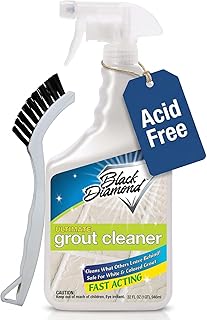
This acid-free grout cleaner is designed to remove deep-set dirt and oils from grout without harming stone surfaces like marble, travertine, or granite. It’s a good choice for maintaining clean grout lines and protecting surrounding tiles. Best for: homes needing a professional-strength grout solution that remains safe for natural stone.
Limitation: While non-acidic, it may require multiple applications for heavily stained grout; follow recommended contact times and rinsing steps for best results.
Buying Guide: Cleaners by Stone Type and Use
What to consider when choosing a travertine cleaner
- Stone compatibility: Look for pH-neutral, acid-free formulas for travertine to avoid etching or dulling the surface.
- Use case: Routine maintenance, heavy staining, or grout cleaning each require different formulations.
- Rinse requirements: No-rinse cleaners simplify maintenance in busy spaces and reduce residue risk.
Which cleaner fits your space?
- Small homes with mostly routine cleaning: Choose a pH-neutral, no-rinse option for daily maintenance.
- Bathrooms with heavy moisture and tile joints: A gel or spray cleaner that targets grout can improve appearance without harsh chemicals.
- Large areas or frequent cleaning: A gallon-size option provides value and reduces the need for frequent purchases.
Safety and compatibility notes
- Avoid ammonia-based or abrasive cleaners on natural stone surfaces unless the manufacturer explicitly approves them.
- Always test a small, inconspicuous area first to confirm compatibility with the stone’s sealant.
- Follow dilution instructions when using concentrated formulas to ensure optimal performance and safety.
FAQ
- Q: Are these cleaners safe for unsealed travertine?
A: Many are designed for both sealed and unsealed stone, but always verify the label and test on a hidden area first. - Q: Can I use these cleaners on marble?
A: Yes, several formulas are safe for marble when labeled acid-free or pH-neutral; avoid acidic products on marble. - Q: Do I need to rinse after cleaning travertine floors?
A: No-rinse formulas are designed to leave no residue, but always follow product directions for best results. - Q: Which cleaner is best for grout restoration?
A: Acid-free grout cleaners are preferred for safety with natural stone; look for products marketed for grout and tile. - Q: How often should I clean stone floors?
A: Regular cleaning with a stone-safe cleaner helps preserve sealants and finish; adjust frequency based on traffic and environment. - Q: Can these cleaners cause color changes in travertine?
A: If used as directed, most pH-neutral or acid-free cleaners won’t affect color; test first on a small area if possible.