Finding an effective glue for plastic gas tanks requires materials that resist fuel, tolerate high temperatures, and form a durable seal. This guide showcases five products best suited for plastic tank repairs, including quick-setting putties and permanent bonding solutions. It explains who each option is best for, why it stands out, and possible limitations to consider. Ideal for do-it-yourselfers, mechanics, and vehicle owners performing minor repairs without draining or disassembling tanks.
| Product | Best For | Why It Stands Out |
|---|---|---|
| AP Products Versachem 90214 Plastic Tank and Radiator Repair Kit | Plastic gas tanks with small leaks | Permanent repair without draining; resist gasoline/diesel; quick curing |
| Blue Magic 6522KTRI QuikSteel Plastic Tank Repair Kit | Plastic tanks in need of quick seal | White repair putty; US-made; simple application |
| J-B Weld 8237 PlasticWeld Epoxy Putty | Plastic parts and tanks needing moldable repair | Moldable two-part epoxy; low-temperature cure; durable |
| Hzutloer 2.87oz Instant Fuel & Water Tank Repair Adhesive Kit | High-temperature plastic tank repairs | High temp resistance; durable bond; water and oil resistant |
| LOCTITE 1252795 Oil & Gas Resistant Adhesive Sealant | General automotive plastic seals | Neoprene-based sealant; oil and gas resistant; multi-use |
AP Products Versachem 90214 Plastic Tank and Radiator Repair Kit
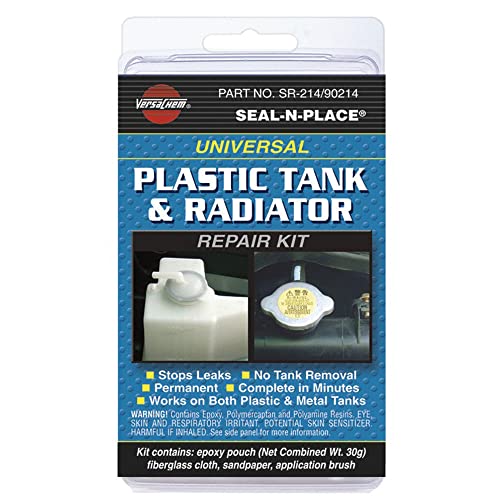
Best For: Plastic fuel tanks with pinhole leaks or minor cracks. Why: The kit promises permanent repairs without draining or removing the tank, with chemical solvent resistance to gasoline, diesel, and kerosene. Limitation: Data does not specify cure time details for all tank plastics; real-world performance may vary based on tank material and leak size.
Blue Magic 6522KTRI QuikSteel Plastic Tank Repair Kit

Best For: Quick, temporary to permanent plastic tank repairs. Why: Comes as a white repair putty with US manufacturing, designed for fast sealing of plastic surfaces. Limitation: Manufacturer details are limited on temperature range and long-term durability for fuel exposure; testing recommended for critical tanks.
J-B Weld 8237 PlasticWeld Epoxy Putty

Best For: Moldable repairs on plastic gas tanks and associated components. Why: PlasticWeld is a hand-mixable two-part epoxy putty that cures hard, resists temperatures, and accepts sanding and shaping. Limitation: Cure time and temperature tolerance vary; not all plastics respond identically to epoxy adhesion.
ProSeal Instant Gas Tank & Radiator Repair

Best For: Small holes and cracks in metal or composite tanks where a quick, steel-reinforced repair is needed. Why: Steel-reinforced epoxy putty sets quickly and reaches full strength for reliable automotive leak protection. Limitation: Data indicates heavy-duty use; for delicate plastics, verify compatibility prior to use on thin-walled tanks.
LOCTITE 1252795 Oil & Gas Resistant Adhesive Sealant

Best For: Multi-use sealing on automotive plastics exposed to oil, gasoline, and weather. Why: Neoprene-based sealant provides reliable oil and gas resistance and adheres to metal, rubber, and plastic. Limitation: Sealing performance depends on surface preparation and cure conditions; avoid applying to wet surfaces without proper surface drying.
Buying Guide
- What material is your tank made of? Some products optimize for ABS, PVC, CPVC, or composite plastics; check compatibility before purchase.
- Leak type matters. Pinhole leaks and small cracks respond to putty-like repairs, while larger splits may require a more permanent sealant or professional replacement.
- Temperature and fuel compatibility. Look for high-temperature resistance and gasoline/diesel compatibility to prevent softening or failure over time.
- Application conditions. Some adhesives cure faster when warm; others tolerate cooler environments. Plan work during appropriate weather or indoor conditions.
- Removability and reversibility. If a repair may need future modification, consider a product that can be removed or reworked without damaging surrounding plastic.
- Surface prep. Cleaning, drying, and roughening the plastic surface typically improves adhesion and results.
FAQ
- Can I repair a fuel tank without draining it?
Yes, some adhesives claim to seal without draining, but follow the product’s instructions and exercise caution with fuel vapors. - Will these repairs pass safety inspections?
Repair quality varies; consult local regulations and use products designed for fuel exposure to maximize safety. - How long does it take for a seal to cure?
Most products reach handling strength within minutes to a few hours; full cure can range from several hours to 12 hours. - Is plastic-specific glue always necessary for gas tanks?
Not always; evaluate the tank material, leak size, and chemical exposure to choose the right adhesive. - Can I use automotive sealants on plastic tanks?
Many sealants are formulated for plastic plus oil exposure; verify compatibility with your tank material and fuel type. - Should I seek professional help for major leaks?
Yes. Large cracks or structural damage typically requires professional repair or tank replacement.