Answer: For reliable plastic bonding and resin repairs, select epoxies, fast-drying CA glues, and UV-curing resins that suit your project type. This guide highlights five top options, detailing who they’re best for and why. Use this to compare craft, hobby, and DIY repair needs with clear, action-ready buying signals.
The following table summarizes the featured products, helping you quickly identify the best fit for your project and skill level:
| Product | Best For | Key Benefit |
|---|---|---|
| Gorilla 2 Part Epoxy | Home repairs, automotive tasks | Clear dry, strong bond, 5-minute set |
| 3D Printer Super Glue Thin (KRAFTPROTZ) | Fine detail fixes, resin prints | Capillary action, ultra-fast-drying |
| LET’S RESIN UV Resin Kit | Jewelry, small parts, transparent bonding | Rapid UV curing, high transparency |
| GH1200 (2-in-1) Plastic Glue | Model-making, crafts with precision | Brush applicator + nozzle for control |
| SWIFFAR Plastic Glue | All-plastic repairs, long-lasting bonds | Extra-strength, waterproof, durable |
Gorilla 2 Part Epoxy, Clear Epoxy
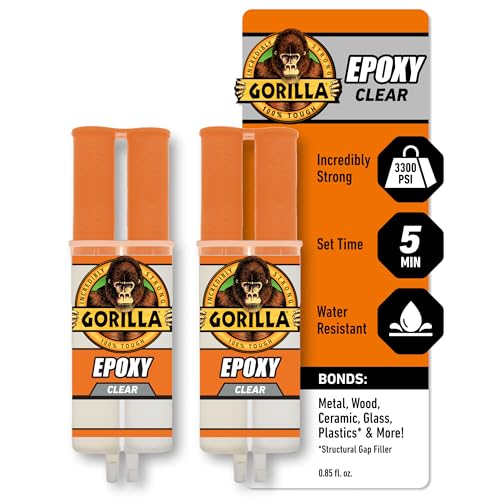
Features and why it matters: Dries clear for a clean finish and strong bond; 5-minute set time allows for repositioning; fills gaps to bond uneven or vertical surfaces. These traits make it suitable for both household repairs and automotive touch-ups where a neat, robust bond is needed quickly.
Best for: Homeowners and hobbyists who need a reliable, fast-curing epoxy that remains unobtrusive once set. Also preferred for basic automotive quick fixes where a transparent bond looks better on visible surfaces.
Limitations: Requires careful mixing and proper clamping during cure; extended applications may benefit from larger volumes or multiple applications for thicker gaps.
3D Printer Super Glue Thin (KRAFTPROTZ)
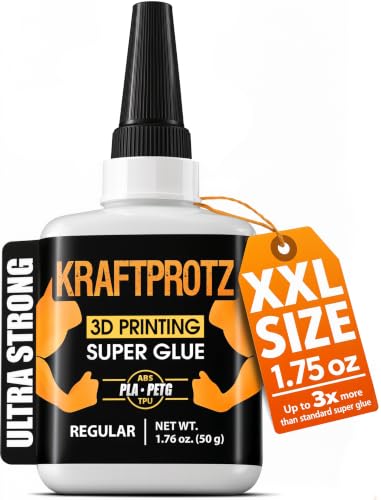
Features and why it matters: Ultra-thin capillary flow to penetrate small gaps and fine details; designed to bond a range of filaments including PLA, ABS, PETG, TPU, ASA, and Nylon with clean finishes; XXL 1.76 oz size offers extended use and longer project support. This makes it ideal for high-resolution prints and delicate repairs where precision is critical.
Best for: Pros and makers who work with resin-printed parts or high-detail 3D models requiring a precise, fast-setting adhesive with minimal bloom or residue.
Limitations: Very thin formula can run if over-applied; best used with careful application on small seams.
LET’S RESIN UV Resin Kit

Features and why it matters: Bonded UV resin cures in 5-10 seconds under a UV light, offering fast bonding with high transparency after curing; ideal for small jewelry, glass, resin, and transparent parts where you want a clean look; includes a flashlight for curing and supports shaping during setting.
Best for: Crafters and jewelers who need rapid bonding with minimal visibility and a quick workflow for small, transparent components.
Limitations: Requires a UV light source for curing; bond strength is influenced by curing uniformity and surface prep.
GH1200 (2-in-1) Plastic Glue

Features and why it matters: Dual options with a built-in brush applicator and a precise anti-clog nozzle; designed for controlled application, reducing mess and waste; strong, long-lasting bond that’s waterproof and temperature resistant for various plastic repairs.
Best for: Model makers and DIY enthusiasts who need precise control on larger surface areas or intricate parts alike, with less cleanup and reliable adhesion over time.
Limitations: Brush may wear with heavy use; ensure cap is tight to prevent drying out between projects.
Super Glue XXL Value Size
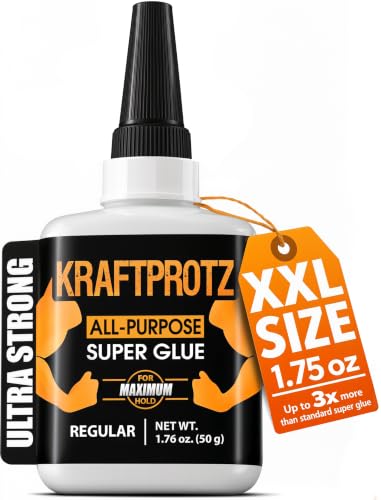
Features and why it matters: High-performance instant fix for household and heavy-duty tasks; 50g professional-size supply defeats the need for frequent tube replacements; crystal-clear finish remains invisible on detailed surfaces.
Best for: Home repair projects and bigger or ongoing tasks where a larger tube saves time and reduces replacement frequency.
Limitations: Not ideal for all plastics; check material compatibility to avoid whitening or poor bonding on certain plastics.
Y’allCanDiy Plastic Glue

Features and why it matters: Designed for plastic repairs across PVC, ABS, acrylic; high-strength formula delivers durable bonds for models, toys, and everyday plastic items; fast-drying ensures quicker project completion.
Best for: Hobbyists and makers repairing light to medium-duty plastic items, including miniatures and home decor pieces.
Limitations: May require clamping during cure for larger parts; always prep surfaces for best adhesion.
Buying Guide
What type of plastic will you bond? Epoxies like Gorilla 2 Part Epoxy excel on metal-to-plastic and rigid joints, while CA glues (including precision thin formulations) work best on small parts and high-detail surfaces. UV resins are ideal for transparent, fast-setting bonds on jewelry or clear components, but require a UV light source. For large surfaces or model-building, brushes and nozzles help control flow and prevent mess.
Key considerations
- Bond strength vs cure time: Do you need a quick hold (5 minutes or less) or a longer open time to adjust placement?
- Material compatibility: Are you bonding PLA, ABS, PETG, resin, or metal-adjacent parts?
- Clarity and finish: Is a transparent, color-neutral bond important for aesthetics?
- Application control: Do you need a fine capillary flow or a larger surface adhesive with a brush?
- Waterproof and temperature resistance: Will the bond endure outdoor or automotive conditions?
- UV curing requirements: Do you have access to a UV light for rapid curing?
FAQs
- What is the best glue for resin-to-plastic bonding?
Epoxies or UV-curing resins typically offer strong, clean bonds between resin-printed parts and plastics. Choose a clear epoxy for a neat finish or a UV resin for rapid, precise bonding of transparent components.
- How long does it take for plastic glue to set?
Most epoxies cure in minutes, while UV resins cure in seconds under UV light. Always follow the product’s stated cure time and apply clamp or support if needed.
- Can I use CA glue on all plastics?
CA glues work well on many plastics but may cause whitening on some surfaces or fail on flexible polymers. Verify compatibility with your material before use.
- Should I use a brush applicator or a dropper?
Brush applicators offer precise control for large or detailed surfaces. Nozzled or capillary adhesives suit small seams and tight spaces.
- Are UV resins safe for jewelry making?
Yes, when used with proper ventilation and handling. Ensure you cure fully with a UV light to achieve maximum strength and transparency.
- Is waterproofing important for plastic repairs?
For outdoor or moisture-prone areas, choose a glue marketed as waterproof or water-resistant to maintain bond integrity.