Answering a buyer’s need for easy, fabric-safe repairs, this guide highlights top iron-on mending fabrics by the yard and patches. It helps you decide who each product is best for—whether you’re patching jeans, sweaters, or home textiles. Below, you’ll find concise product overviews, clear buying considerations, and a quick comparison table of the featured items.
| Product | ||
|---|---|---|
| Tatuo 43 Inch by 1 Yard White Iron on Patches | Delicate fabrics, versatile crafting | Large, cut-to-fit sheet with sturdy adhesive and easy heat setup |
| SINGER 00097 Iron-On Mending Fabric | Simple repairs, quick fixes | Flat, texture-free patch designed for effortless coverage |
| TransOurDream Tru-White Iron On Fabric Patches | Heavy use fabrics, machine washing | Extra-large sheets with strong glue and no backing paper |
| KING MOUNTAIN 100% Cotton Patch Kit | Durable, long-lasting repairs | Large 3″x60″ patches with hot-melt adhesive and easy application |
| Amrules Iron Patches 30 Piece | Colorful, small-to-medium repairs | Multiple shades with versatile cutting options |
Tatuo 43 Inch by 1 Yard White Iron on Patches

The Tatuo patch sheet is ideal for large repairs or custom crafting. It features a single-sided adhesive designed for quick heating with an iron in about 10 seconds, offering strong stickiness once set. The fabric combines polyester and cotton for durability and flexibility. Best for: crafters and home-sewers who need one large, easily cut patch that can cover irregular holes or larger worn areas. Caution: heat settings should be monitored to avoid scorching delicate fabrics; cut the patch to fit before applying.
SINGER 00097 Iron-On Mending Fabric

The SINGER 00097 patch is a straightforward repair option: one large white fabric mending patch designed to cover tears, worn areas, or holes. It’s a flat patch with no texture, making it suitable for patches where a smooth surface is desired. Best for: quick inside-out repairs on lightweight fabrics or clothing where texture would show. Caution: lacks decorative texture, which may be less ideal for visible fashion details.
SINGER 00240 Heavy Duty Iron-On Fusing Web
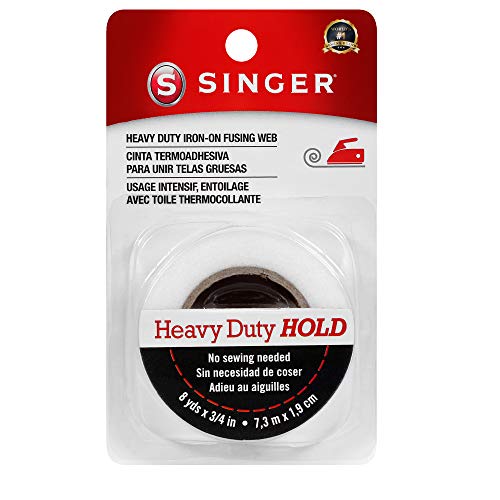
For larger or fabric-to-fabric bonds, the SINGER Heavy Duty Iron-On Fusing Web provides a robust adhesive strip in a generous 3/4″ x 8 yards. It’s designed for durable repairs and easy bonding without sewing. Best for: projects requiring long adhesive lengths across seams or heavy fabrics. Caution: may feel stiff in lightweight fabrics; test a small area first.
SINGER Iron-On Mending Fabric — Black

This black 7” x 16” patch provides a larger interior repair option with a black polyester-cotton blend. Best for: patches meant to be less noticeable on dark garments, such as jeans or jackets. Caution: iron-on may require slightly longer heat application to ensure full adhesion on thicker fabrics.
TransOurDream Tru-White Iron On Fabric Patches

TransOurDream offers extra-large 8.5″x11″ sheets suitable for big repairs or multi-use projects on clothing, sheets, or curtains. The pack includes a teflon sheet for ironing, and the adhesive is designed to hold through machine washing. Best for: crafters seeking no-sew, easy-to-apply patches that can be trimmed into shapes. Caution: larger patches require generous ironing space and careful alignment before heat-setting.
Amrules Patch Kit, 30 Pieces

The Amrules kit offers 30 pieces in multiple colors, sized at 3.7 x 4.9 inches, made of nylon for durability. It’s suitable for jeans, shirts, and pants with easy cutting for custom shapes. Best for: households needing a range of colors to match or decorate garments. Caution: nylon patches may not blend perfectly with all fabrics, so test on a small area first.
Buying Guide
What should I consider when choosing iron-on patches?
Fabric composition matters. Look for cotton, polyester, or blends that match your garment. Thicker fabrics may need higher heat or longer press times. Check the patch size and whether trimming is allowed to fit irregular holes.
How strong is the adhesive and how wash-friendly is it?
Adhesive quality varies. Some patches are designed to survive multiple machine washes, while others perform best for light wear. If you plan on frequent washing, choose patches labeled as machine-wash safe and with durable glue.
Is a backing sheet or teflon sheet included?
Backing papers and teflon sheets help protect fabrics during ironing. Some sets include these accessories, which can simplify application and reduce scorching risk.
Should I choose large sheets or multiple small patches?
Large sheets offer flexibility for cutting to fit many shapes. Small patches are handy for targeted repairs or decorative applications. Consider your typical repair scenarios to decide which format suits you best.
Are these patches easy for beginners?
Yes, most patches are designed for straightforward application with an iron. Beginners should follow heat settings carefully, press time recommendations, and test on a scrap fabric first to prevent damage.
FAQ
- What fabric types work best with iron-on patches?
Cotton, polyester, and cotton-poly blends are commonly compatible. Delicate fabrics may require lower heat settings and shorter press times to avoid damage.
- Can I machine wash clothes with iron-on patches?
Many patches are machine-wash safe after proper bonding. Always confirm the patch’s laundry instructions and wait the recommended curing time after application.
- Do I need sewing afterwards or is ironing enough?
Some patches are designed to hold with adhesive alone. For high-stress areas, sewing around the edges can provide extra security.
- How do I trim patches to fit irregular holes?
Use scissors or a craft knife to cut patches to the desired shape before applying. Test fit on the garment’s inside to ensure the patch covers the hole adequately.
- Are there patches suitable for dark fabrics?
Yes, many patches come in black or dark colors to blend with dark garments. Choosing color-matched patches helps maintain a neat appearance.
- What if the patch doesn’t adhere properly?
Reheat the area following the patch’s recommended heat duration and pressure. If issues persist, replacing with a new patch or adding a stitch around the edges can improve hold.