If you’re seeking soap bases free of titanium dioxide, these 5 options prioritize skin safety, natural ingredients, and easy melt-and-pour use. They’re ideal for crafters, beginners, and anyone avoiding titanium dioxide while still wanting a moisturizing, gentle bar. The top picks cover oat, goat milk, triple butter, glycerin, and clear glycerin bases.
| Product | Key Benefit | Best For |
|---|---|---|
| Skin Said Yes Oatmeal Soap Base | Moisturizing, anti-inflammatory oats | Acne-prone or sensitive skin |
| Skin Said Yes Goat Milk Soap Base | Gentle cleansing with aloe-like hydration | Dry or aging skin |
| Skin Said Yes Triple Butter Soap Base | Rich oils for deep moisture | Very dry or mature skin |
| Clear Soap Base (Melt & Pour) | Transparent, easy embeds | DIY projects with botanicals |
| Skin Said Yes Glycerin Soap Base | Crystal clear and skin-friendly | Transparent designs with botanicals |
Skin Said Yes Oatmeal Soap Base

Best for: Crafters seeking a moisturizing base with gentle exfoliation. The oatmeal acts as a natural exfoliant, helping to absorb oil and support calm, acne-prone skin. The base is unscented and enriched with olive oil and coconut oil for a smooth melt and a soft lather. It is SLES-free and palm-oil-free, aligning with eco-friendly and skin-safe goals.
Why selected: This base combines traditional Greek soapmaking heritage with modern, skin-friendly formulation. It melts smoothly and mixes easily with colors or fragrances, making it a versatile choice for DIY projects.
Caution: Because it’s oatmeal-based, consider potential texture notes or foaming differences when adding heavy fragrances. Test compatibility with colorants before large batches.
Skin Said Yes Goat Milk Soap Base
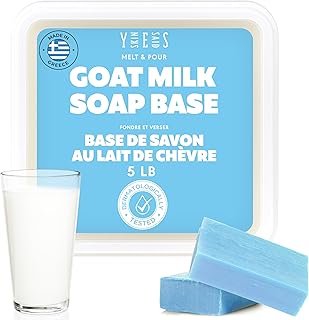
Best for: Those with dry or aging skin seeking a gentle, hydrating melt-and-pour option. The goat milk base combines olive oil and coconut oil for deep cleansing and a lush lather, while remaining unscented and free of palm oil and parabens.
Why selected: Dermatologically checked and suitable for all skin types, this base emphasizes natural ingredients and a creamy texture that is easy to work with for DIY projects.
Caution: Without added fragrance, you may want to pair with skin-safe essential oils in small amounts to avoid overpowering the base’s natural feel.
Skin Said Yes Triple Butter Soap Base

Best for: Crafters who need extra moisture for very dry or aging skin. This base blends mango, cocoa, and shea butters with olive and coconut oils to deliver a rich, cushiony lather.
Why selected: It’s dermatologically checked and designed for easy melt-and-pour use, with a no-fragrance base that invites customization through natural additives.
Caution: The higher butter content can make the bar feel firmer and may require careful temperature control during melting to avoid saddle-shaped pours.
Clear Soap Base (Melt and Pour)

Best for: Makers who want a transparent base for botanicals, embeds, and color play. The glycerin base is vegan, plant-based, and fragrance-free, with a focus on moisturizing effects for balanced skin.
Why selected: This base supports glycerin’s natural clarity and provides a strong choice for crafting clear, professional-looking soap bars—and it’s easy to cut and combine with colors and scents as desired.
Caution: Avoid adding heavy fragrance oils unless you test compatibility; the base’s clarity can be impacted by certain additives.
Skin Said Yes Glycerin Soap Base

Best for: Viewers needing a clear, skin-friendly base with high transparency for botanical suspensions and embeds. The Greek olive oil base uses organic ingredients to produce a clear melt and pour experience.
Why selected: It’s a neutral, fragrance-free base, ideal for clear projects where you want your colors and inclusions to stand out while maintaining skin safety with no palm oil or harsh additives.
Caution: The base relies on glycerin clarity, so ensure your additives are compatible and don’t cloud the melt.
Buying Guide
What should I look for in a soap base without titanium dioxide?
Ingredients: Prioritize bases with organic oils (olive, coconut) and no SLS, SLES, parabens, or palm oil. If you’re sensitive, choose fragrance-free options.
Which base is best for beginners?
Melt-and-pour bases like the oat, goat milk, and glycerin options are generally easiest for beginners since they melt, pour, and set with minimal equipment and no curing time.
How to choose based on skin type?
Dry or aging skin benefits from richer bases with butters (triple butter). Oatmeal can aid acne-prone skin by absorbing oil, and goats milk bases provide gentle hydration for sensitive skin.
Are there eco-friendly considerations?
Look for FSC-certified packaging and vegan, cruelty-free bases with recyclable materials. Avoid palm oil if reducing environmental impact is important to you.
How to customize safely?
Test colorants and essential oils in small batches. Add oils at low percentages (0.5%–2% for fragrances, 1%–5% for colorants) and verify that they do not affect clarity or texture.
What about safety and labeling?
Choose bases that are dermatologically checked and free of harsh chemicals. For sensitive skin, fragrance-free bases are usually best to minimize irritation risk.
Product Summary
Summary of the five recommended bases includes moisturizing oatmeal, hydrating goat milk, rich triple butter, clear glycerin, and transparent glycerin variants. Each has distinct benefits to fit different skin needs and DIY goals without titanium dioxide.
FAQ
- Do these bases contain titanium dioxide?
- No. The selections are advertised as free from titanium dioxide and other specified harsh additives.
- Can I add fragrances to these bases?
- Yes, but test in small amounts to avoid clumping or clouding, especially with glycerin bases.
- Which base is best for sensitive skin?
- Goat milk and oatmeal bases are typically gentle, unscented choices that support sensitive skin.
- Are these bases suitable for beginners?
- Yes, especially melt-and-pour options, which require minimal tools and steps.