When selecting silicone sealants for aquariums, prioritize fish-safe, 100% silicone products that cure to a flexible, water-resistant bond. This guide reviews top options ideal for glass aquariums, both freshwater and saltwater. It helps buyers choose sealants based on safety, curing time, adhesion, and environmental tolerance. The selections below target hobbyists, professional aquarists, and DIY enthusiasts who need reliable leaks prevention and durable bonding without harming aquatic life.
| Product | Best For | Key Benefit |
|---|---|---|
| SELSIL Aquarium Silicone Clear Sealant | Freshwater or saltwater tanks | High elasticity, ozone and UV resistance |
| Aqueon Silicone Sealant Clear | New hobby tanks and repairs | Permanent flexible seal, easy application |
| LANGXINST Aquarium Silicone | Underwater bonding and repairs | Underwater cure, strong adhesion |
| DaToo Aquarium Silicone Sealant Clear | Beginner to intermediate projects | 100% silicone, fast curing, non-toxic |
| DAP All Purpose Silicone Adhesive Sealant | Small repairs and quick fixes | Waterproof, versatile for light-duty jobs |
Note: Always ensure the product specifies 100% silicone, solvent-free or non-toxic to aquatic life, and compatibility with glass or acrylic when possible. Cure times vary with temperature and bead size; plan repairs to allow full curing before reintroducing aquatic life.
SELSIL Aquarium Silicone Clear Sealant

Best for: fish-keepers needing a highly elastic, transparent sealant for glass bonding. This silicone is solvent-free, UV and ozone resistant, and suitable for freshwater and saltwater tanks. It adheres well to non-porous surfaces like glass and aluminum without a primer.
Why selected: The product emphasizes fish safety and ISO compliance, making it a reliable choice for long-term aquarium sealing. It resists cracking and discoloration across temperature ranges, reducing maintenance concerns.
Limitations: As with any sealant, ensure complete curing before exposing to fish. Check room temperature during application to optimize curing.
Aqueon Silicone Sealant Clear
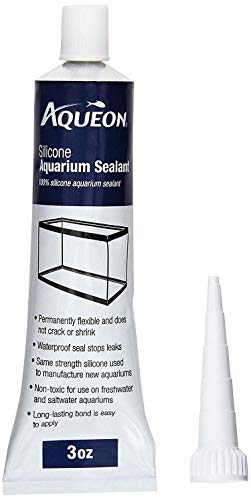
Best for: hobbyists seeking a simple, dependable sealant for small to medium aquarium projects. It remains permanently flexible and resists cracking or shrinking over time.
Why selected: Its easy application and long-lasting bond help beginners complete repairs without advanced technique. It provides a solid option for sealing seams and minor leaks.
Limitations: Not suitable for heavy-duty or large-scale construction beyond typical aquarium repairs; verify surface compatibility for non-glass substrates.
LANGXINST Aquarium Silicone

Best for: underwater bonding and repairs where curing underwater is needed. This silicone adheres to glass without draining water during application, making it convenient for live aquariums.
Why selected: Underwater curing capability is valuable for ongoing tanks or sealed aquariums where draining is impractical. It supports glass and similar non-porous surfaces with good elasticity.
Limitations: Underwater curing can take longer to reach full strength; plan maintenance windows accordingly.
DaToo Aquarium Silicone Sealant Clear
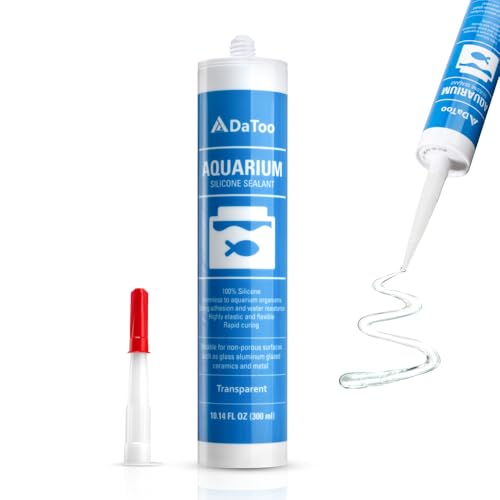
Best for: aquarium beginners and DIY projects needing a safe, solvent-free sealant with fast curing and strong adhesion.
Why selected: DaToo emphasizes safe ingredients, compliance with standards, and versatility for both freshwater and saltwater environments. Its quick cure aids timely maintenance.
Limitations: As with all sealants, avoid exposure to water immediately after application until partial cure occurs, and ensure full cure before introducing fish or plants.
SELSIL Aquarium Silicone Sealant Clear 2 Pack
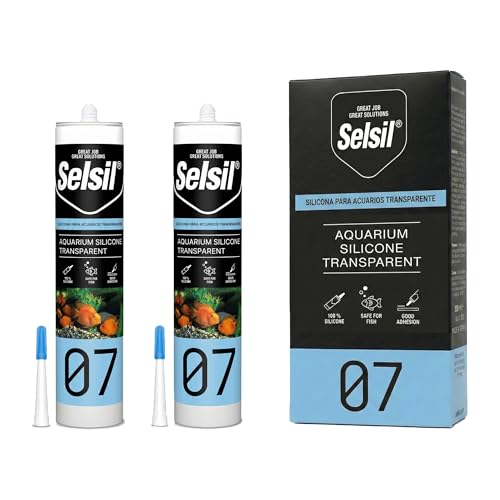
Best for: buyers needing extra supply for multiple projects or ongoing repairs. The 2-pack offers redundancy for busy aquarists.
Why selected: Reputable for 100% silicone content, solvent-free formula, and compatibility with both fresh and saltwater systems. Provides consistent elasticity and durable bonding.
Limitations: Confirm the sealant’s cure time aligns with your tank’s setup schedule; longer cures may delay reintroduction of aquatic life in sensitive setups.
Buying Guide
What makes a silicone sealant aquarium-safe?
Look for 100% silicone polymer formulas that are solvent-free. They should explicitly state non-toxicity to fish and aquatic life and compliance with relevant standards (ISO 11600 or ASTM C920). Avoid products with solvents or added chemicals that could leach into the water.
Do you need underwater curing?
Underwater-curing silicones are convenient for Aquariums needing repairs without draining water. They form bonds directly on wet surfaces, but cures may take longer and require careful timing for complete strength.
How important is elasticity?
High elasticity helps accommodate aquarium glass expansion, temperature fluctuations, and vibration. Elastic sealants resist cracking and maintain a watertight seal over time, which is crucial for leaks prevention.
What about adhesion on different surfaces?
Most aquarium silicones bond best to glass. If you work with acrylic or metal components, choose a product designed for non-porous surfaces or multi-material adhesion. Primer-free bonding is a plus for ease of use.
Application tips for best results
Prepare surfaces by cleaning with a mild solvent to remove oils. Apply in a well-ventilated area and keep the bead consistent. Allow partial cure before full immersion; full cure time varies with temperature, humidity, and bead thickness. Avoid disturbing the sealant during the curing period.
Safety considerations
Always follow product-specific safety data. Use gloves, ensure adequate ventilation, and keep sealants away from children and pets until fully cured. Do not mix different sealants unless the manufacturer approves compatibility.
Compatibility questions
Check that the product is suitable for freshwater or saltwater use and compatible with glass or acrylic tank materials. For complex tanks with metal framing or special materials, verify adhesion performance before large-scale sealing.
FAQ
- Are aquarium silicones safe for fish after curing? Yes, when fully cured they are designed to be non-toxic to aquatic life.
- Can I seal an aquarium while it is still filled with water? Some products cure underwater; otherwise, plan to seal when the tank can be drained or partially drained as recommended.
- How long does it take silicone sealant to cure? Typical surface dry times range from 30 minutes to a few hours, with full cure often extending to 24-48 hours depending on product and conditions.
- Can I use regular household silicone on aquariums? Prefer aquarium-specific formulations that are solvent-free and fish-safe, as household silicones may contain compounds harmful to aquatic life.
- Is it needed to use primer with aquarium silicones? Most aquarium silicones are designed to bond to glass without primer; verify on the product label.
- What is the best sealant for large aquarium seams? Look for high elasticity and strong adhesion on non-porous surfaces; consider products marketed for aquarium use and long-term durability.