Direct answer: the right stove cleaners combine grease-cutting power with surface-safe formulas. This guide highlights five top options, each best for specific stove tasks—from burnt-on grease to glass-ceramic tops. Choose based on your stove type and mess level: heavy-duty degreasers for heavy buildup, paste cleaners for baked-on grime, spray cleaners for daily upkeep, and kit bundles for all-in-one solutions. The table below helps compare quick picks and primary uses.
| Product | Best For | Key Benefit |
|---|---|---|
| Method Heavy Duty Degreaser | Stovetops, range hoods, burners | Cuts through grease and burnt-on messes |
| The Pink Stuff Cleaning Paste | Ovens, tiles, stainless steel | Multi-surface stain removal with gentle abrasion |
| Lysol Pro Kitchen Spray | Countertops and appliances | Grease-cutting with antibacterial action |
| Weiman Glass & Ceramic Cooktop Kit | Glass ceramic cooktops | Streak-free shine without scratching |
| CleanCrown 3-in-1 Cooktop Kit | Electric, ceramic cooktops | All-in-one cleaning with scraper and pad |
Note: each product serves different stove surfaces and mess types. Read each section to determine the best fit for your kitchen, whether you need heavy grease removal, a gentle polish, or a protective shine for daily maintenance.
Method Heavy Duty Degreaser For Stove Tops
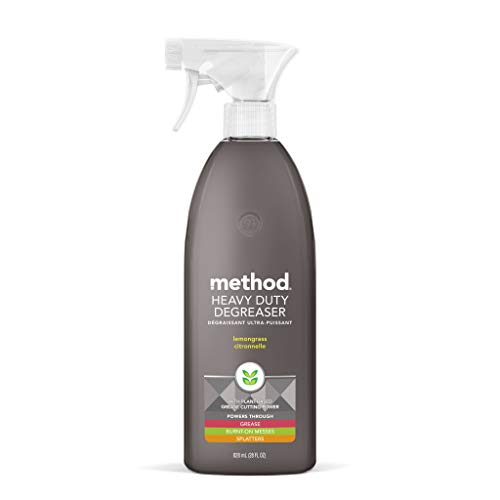
Best for: buyers dealing with stubborn grease on stove tops, range hoods, and drip pans. This 28-ounce spray targets oil and baked-on residue with strong cleaning action, making it suitable for frequent stove cleaning or after heavy cooking sessions.
Why selected: It specifically states it powers through grease, oil, burnt-on messes and splatters, and cleans several stove components including burner grates and drip pans. The spray format allows targeted application on hard-to-reach areas.
Limitations: as a heavy-duty formula, it may require thorough rinsing on food-contact surfaces to avoid residue. Follow labeled directions for safe use on different materials.
Stardrops The Pink Stuff Cleaning Paste

Best for: surfaces that tolerate non-abrasive cleaning but require heavy stain removal, such as ovens, tiles, glass, and stainless steel.
Why selected: The Pink Stuff is a versatile paste designed to tackle grease, grime, and build-up across multiple areas, offering a bright, clean finish on a range of materials without scratching.
Limitations: paste-based cleaners may require extra effort on very shiny, highly polished surfaces to prevent streaks if not buffed properly.
Lysol Pro Kitchen Spray Cleaner and Degreaser
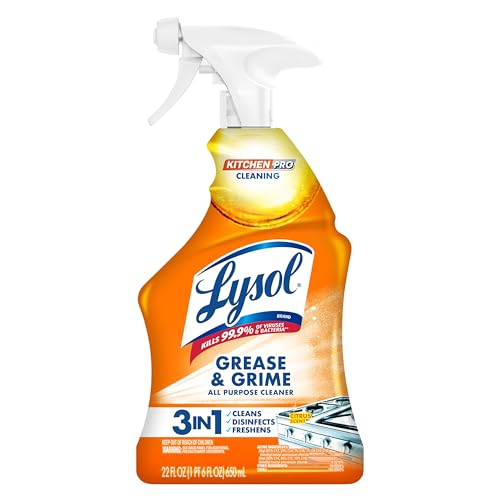
Best for: daily kitchen upkeep on countertops, ovens exteriors, and appliances where sanitization is also a concern.
Why selected: This spray claims to eliminate 99.9% of kitchen viruses and bacteria when used as directed, while cutting through tough, baked-on grease with a citrus scent for a fresh finish.
Limitations: ensure surfaces are suitable for spray sanitizers and rinse any food-contact surfaces as directed before reuse.
Weiman Glass & Ceramic Cooktop Cleaner Kit

Best for: glass and ceramic cooktops requiring a streak-free finish and gentle cleaning without scratching.
Why selected: This kit combines a cleansing cream with micro-bead technology and includes scrubbing pads and a scraper, designed to remove burnt-on food while leaving a shine on induction, electric, and gas cooktops.
Limitations: the kit’s performance depends on proper application pressure; too much pressure can leave streaks if not buffed correctly.
CleanCrown 3-in-1 Cooktop Cleaner Kit
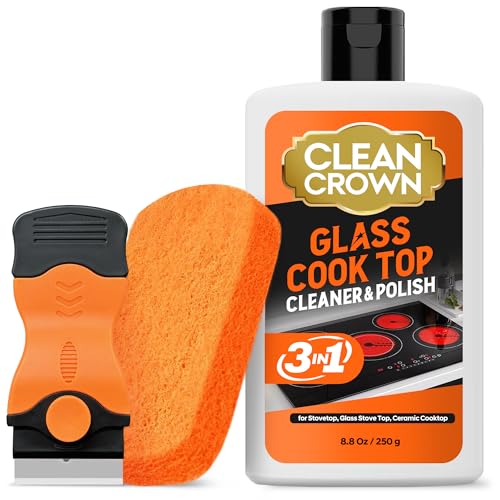
Best for: electric and ceramic cooktops needing a comprehensive cleaning solution with an included scraper and scrubbing pad.
Why selected: The kit provides an all-in-one approach—8.8 oz cleaner plus a scrubbing pad and scraper—designed to cut through grease and baked-on residue on glass and ceramic surfaces while avoiding scratches.
Limitations: as with any scraper-inclusive kit, use with care on fragile glass surfaces and avoid aggressive scraping on non-target areas.
Buying Guide: Key Considerations For Stove Cleaning
What type of stove do you have? Different surfaces require different cleaners. Glass-ceramic tops need non-abrasive creams to avoid scratches, while metal grates tolerate stronger degreasers.
What messes are most common? If you regularly deal with baked-on grease, opt for heavy-duty degreasers or paste cleaners. For everyday spills, a spray cleaner with friction is often enough.
Do you need antimicrobial action? If sanitation is a priority, choose products that claim antibacterial effects and follow usage guidelines to ensure surface safety.
Are surface residues a concern? Some formulas require rinsing on food-contact surfaces. Always check labels to avoid leaving residues that could affect food preparation.
Which kit best fits your routine? All-in-one kits save time by combining cleaner, pad, and scraper, reducing the number of separate products you store and use.
Frequently Asked Questions
- What cleaner is best for a glass cooktop?
Non-abrasive cleaner creams designed for glass and ceramic surfaces are best. They remove burnt-on residue without scratching and leave a streak-free shine.
- Can I use heavy-duty degreasers on painted stove surfaces?
Check the product label. Some degreasers are safe for metal parts but may damage painted finishes; follow manufacturer directions to avoid harm.
- Is it necessary to rinse after using kitchen spray cleaners?
Most spray cleaners require rinsing on food-contact surfaces. Always read the label for surface-specific guidance.
- Are cleaning pastes safe for stainless steel?
Yes, many pastes are formulated to be non-scratch on stainless steel when used with a soft cloth; buff gently to finish.
- Should I use a scraper with cooktop cleaners?
Scrapers help remove baked-on grime on ceramic or glass. Use them carefully to avoid scratching the surface.
- Can I use these products on all stoves?
Most are suitable for multiple surfaces, but always verify compatibility with your specific stove model and material.