ABS plastic weld cement is essential for durable repairs on ABS piping, model parts, or tough plastic assemblies. This guide highlights five compatible products, explaining who each is best for, and why you might choose one over another. Whether you’re a DIY homeowner, a professional contractor, or a hobbyist building models, the right ABS cement makes a visible, lasting difference. Below is a quick overview of the top picks, followed by detailed product sections and a buying guide.
| Product | Best For | Key Strength |
|---|---|---|
| J-B Weld 50139 Plastic Bonder | Thermoplastic ABS repairs and gap filling | High tensile strength, 1:1 mix |
| Rectorseal 55938 ABS Solvent Cement | ABS pipe and socket joints | Black color, good gap filling |
| Oatey 30252 ABS Weld Kit | Medium black ABS bonding in kits | Consistent cement for ABS welds |
| kuailaya ABS Glue | Rigid ABS-to-ABS bonds, hobby and crafts | High bonding strength, water resistance |
| J-B Weld Plastic Bonder Syringe (50133) | Precise repairs and dent filling | 1:1 mix, quick set |
Note: The above table provides a snapshot to help you compare fundamentals at a glance. Details follow for each product to help you decide which is best for your specific ABS project.
J-B Weld 50139 Plastic Bonder Body Panel Adhesive
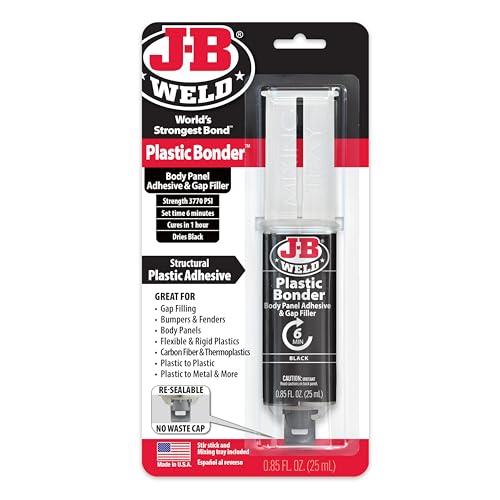
Best for tough plastic repairs with a quick-set two-part urethane system. It offers a 1:1 mixing ratio, sets in 15 minutes, and can be sanded after 30 minutes. Tensile strength is listed at 3770 psi, making it suitable for automotive panel repairs, bumper fixes, and other high-stress plastic bonds. Best for professionals and serious DIYers who need a strong, sandable bond. Limitation: Exact cure times can vary with temperature and surface preparation; ensure clean, dry surfaces before mixing.
Rectorseal 55938 ABS Solvent Cement

Best for joining ABS plastic pipe and socket-type fittings with a black, medium-body formula that fills gaps and provides a clean professional look on black ABS surfaces. This solvent cement is chosen for piping projects where a strong, gap-filling bond is needed and a dark finish is preferred. Caution: Use with proper ventilation and follow local codes for solvent-based products. Not ideal for delicate cosmetic ABS parts that require clear or non-black bonding.
Oatey 30252 4 OZ ABS Weld Kit

Best for quick, consistent bonding of ABS parts in repair projects and small installations. The kit includes a 4 oz black cement suitable for medium ABS work, offering a practical option for professional plumbers and serious DIYers who want an all-in-one solution. Caution: May require more ventilation due to solvent content; ensure surfaces are clean and dry before application. Not ideal for high-temperature or impact-heavy applications without additional mechanical fastening.
kuailaya ABS Glue

Best for high-bonding strength on rigid ABS, with good toughness after curing to resist impacts and prevent delamination. It’s optimized for ABS-to-ABS and ABS-to-Other-Plastic combinations, such as ABS-PC or ABS-acrylic, making it suitable for model-making and hobby projects as well as structural repairs. Application is straightforward: clean surfaces, apply, wait 10 minutes, press firmly; maximum strength develops after 24 hours. Caution: Working time is relatively short in warm environments, so plan repairs quickly.
J-B Weld Plastic Bonder Structural Adhesive (50133)
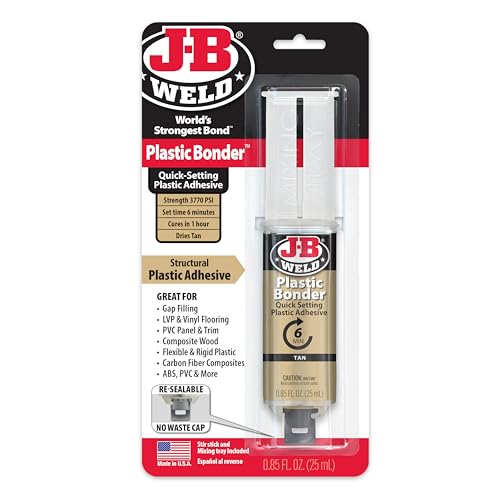
Best for rapid, reliable plastic repairs with a tan color that matches many ABS surfaces. It uses a two-part urethane system with a convenient syringe for precise 1:1 mixing. Sets in about 15 minutes and cures in roughly 30 hours, delivering a strong bond with a tensile strength around 3770 psi. Choose this when you need a predictable, easy-to-apply adhesive for DIY plastic repairs, bumper work, or dent filling. Caution: The tan color may not blend on all ABS plastics; test a small area first for color match.
Buying Guide
What to consider when selecting ABS plastic cement:
- Bonding strength: Look for tensile strength figures (often around 3000–4000 psi) for durable repairs on load-bearing parts.
- Application method: Syringe-based systems offer precise mixing but require careful handling; simple tube cements may be quicker for small jobs.
- Color and finish: Black or tan cements can affect the final appearance on visible ABS surfaces; choose a shade that matches or is acceptable for the project.
- Surface preparation: Clean, dry surfaces significantly improve adhesion; some products require roughening or scuffing the area.
- Cure and handling times: Quick-set formulas reduce downtime but may require clamping; longer cures can allow more working time for alignment.
- EP (solvent) vs. urethane: Solvent cements liquefy the surface for fusion in piping applications, while urethane adhesives provide gap-filling strength for plastics and panels.
- Safety considerations: Ventilation is important for solvent-based products; follow label directions for gloves and protection.
Frequently Asked Questions
- What is ABS plastic cement best used for? – ABS cement works well for bonding ABS piping, fittings, and rigid ABS parts in repairs, Model building, and automotive applications with strong, gap-filling bonds.
- Can I use regular glue on ABS plastics? – General purpose glues may not offer the same strength or chemical compatibility as ABS-specific cements; use products designed for ABS when possible.
- Does color matter for the bond? – Yes. Black or tan cements may show on the surface; select a color that matches the project if visible.
- How long does ABS cement take to cure? – Cure times vary by product and temperature; plan for full cure around 24 hours for strongest bonds unless the product specifies otherwise.
- Is ventilation important when using ABS solvents? – Yes. Many ABS solvent cements contain volatile compounds; use in a well-ventilated area and follow safety instructions.
- Can I weld ABS with these cements for electrical components? – Some cements are suitable for mechanical joins and light electrical housings, but confirm compatibility with your exact component before use.