In short, the best adhesive solutions for screen protectors include LOCA UV glues, double-sided acrylic tapes, and RTV silicone glues. This guide highlights select products that are widely used for attaching or repairing screen protectors on phones, tablets, monitors, and laptops. It’s ideal for DIY screen protection enthusiasts, repair technicians, and electronics hobbyists who want durable, clear bonding without damaging displays. The following table summarizes five well-suited options to compare at a glance.
| Product | Best For | Key Benefit |
|---|---|---|
| Akcoo UV Adhesive for UV Tempered Glass film | All UV glass screen protector installs | Fast curing and precise flow |
| Kaisiking Double Sided Adhesive Tape 5mm / 10mm | Thin, transparent mounting on touch screens | High transparency and strong adhesion |
| Akcoo LOCA UV Adhesive Low Odor | Liquid glass screen protection (LOCA) | Full fill, no dot matrix |
| Kaisiking LCD Repair Tape 2mm | Phone/tablet/laptop LCD repairs | High initial adhesion, easy removal |
| RTV Silicone Adhesive Glue (YWLRONG) | General screen replacement and sealing | Waterproof sealing, flexible cure |
Akcoo UV Adhesive for UV Tempered Glass film

Brand: Akcoo. This UV adhesive is designed specifically as a filling glue between glass film and the screen. It requires UV light to cure. It is not the same as a liquid glass screen protector. It cures quickly and flows easily to align the glass protector on the screen. After curing, it helps fill minor cracks and scratches for a refreshed appearance. Best for users installing UV glass protectors who need precise application and rapid hardening. Limitation: Requires a UV light source to cure.
Best for: Tech enthusiasts and repair technicians performing UV glass protector installations on phones or tablets. Why selected: It targets the bonding gap between film and screen with rapid curing and good flow control, minimizing edge issues. Caution: Do not use for non-UV cured applications or non-UV compatible screens.
Kaisiking Double Sided Adhesive Tape 5mm / 10mm
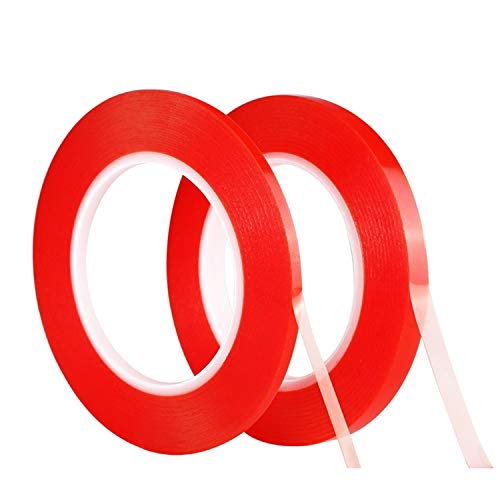
Brand: Kaisiking. This clear double-sided acrylic tape is designed for attaching screen protectors and other components. It offers high transparency, strong adhesion, and compatibility with phones, tablets, LCD panels, and related devices. Best for: Applications where a discreet, nearly invisible bond is required. Why selected: It provides secure positioning without noticeable residue. Caution: May leave some residue if removed and reapplied frequently.
Best for: Users needing a reliable, see-through mounting option for touch screens. Why selected: The tape’s acrylic construction resists aging and moisture while remaining easy to apply. Caution: Ensure surfaces are clean for optimal adhesion.
Akcoo LOCA UV Adhesive Low Odor (5 Pack) With UV Lamp 5W

Brand: Akcoo. This LOCA UV adhesive set includes multiple adhesive tubes and a 5W UV lamp. Used for liquid glass screen protector installations, it fills the glass film and screen with minimal edge issues. Best for: Repairs requiring complete adhesive flow and uniform curing without dotting or shedding. Why selected: LOCA technology reduces misalignment and provides a smooth finish. Caution: Not for use as a general liquid glass or non-UV curing adhesive; requires proper curing equipment.
Best for: Professionals applying liquid glass protectors where edge uniformity matters. Why selected: The kit emphasizes full coverage and reduced failure points. Caution: Follow curing instructions to avoid under- or over-curing.
Kaisiking 2mm LCD Repair Tape

Brand: Kaisiking. This repair tape delivers strong adhesion at low and high temperatures, with high initial adhesion and easy removal. It’s designed to hold LCD screens or touch panels securely while avoiding visible traces. Best for: Quick fixes or temporary holds during screen protector installation. Why selected: Combines strong hold with removal friendliness. Caution: May not offer long-term stability in very aggressive environments.
Best for: DIY screen repairs and temporary bonding. Why selected: High peel strength and easy cleanup make it versatile. Caution: Use on clean, dry surfaces for best results.
RTV Silicone Adhesive Glue for Phone Screen Replacement (YWLRONG)

Brand: YWLRONG. This RTV silicone adhesive is suitable for phone screen replacement and other repairs. It provides a water-proof seal and flexible cure, compatible with multiple brands and curved screens. Best for: Repairs needing durable sealing and cushioning around screen borders. Why selected: Silicone resin offers weather resistance and long-lasting adhesion. Caution: Do not rely on it for exact attachment of glass films without proper curing guidance.
Best for: Broad screen sealing and edge repairs. Why selected: Versatility across devices and surfaces, with a durable, water-resistant seal. Caution: Avoid over-application that could seep into critical components.
Buying Guide
What type of adhesive is best for your screen protector?
LOCA UV adhesives provide a full-surface fill and strong bonding for liquid glass protectors, but require UV curing. Double-sided acrylic tapes deliver a clean, discreet bond ideal for mounting and edge adhesion. RTV silicone glues offer sealing and flexibility for broader repairs or gaps around curved screens. Determine the protection level you need and whether curing equipment is available.
Is the environment influencing your choice?
Humidity, temperature, and exposure to moisture affect adhesion. Acrylic tapes resist moisture but may leave traces on removal. Silicone and LOCA adhesives resist weathering and thermal expansion, but require proper curing and surface preparation.
How important is redetection or future removal?
Tape-based solutions are generally easier to remove with less risk to the display. LOCA and silicone adhesives tend to form stronger bonds that are harder to remove without residue or risk to the screen.
What about compatibility and curing methods?
UV-curing adhesives need a compatible UV light source and compatible screen glass. Ensure the screen protector spec matches the adhesive requirements. For non-UV systems, rely on tapes or silicone glues designed for screen repairs.
Practical tips for application
- Prepare a dust-free, clean surface before application.
- Follow manufacturer instructions for curing times and temperatures.
- Test a small area first if possible to check for compatibility and residues.
Summary of key considerations
- Bond strength vs. removability
- Surface compatibility and device type
- Curing requirements and tools availability
- Edge coverage and optical clarity
FAQ
- Q: What is LOCA adhesive and when should I use it? A: LOCA adhesive is a liquid optically clear adhesive used to bond glass screen protectors to the display, often requiring UV curing. Use it when you need a full-surface bond with a glass protector.
- Q: Are reflective tapes good for all screens? A: Double-sided acrylic tapes work well for many screens, especially when a discreet bond is required, but may not be suitable for curved edges in all devices.
- Q: Do I need a UV lamp to apply UV adhesives? A: Yes, UV adhesives require proper curing light to set fully and achieve the intended bond strength.
- Q: Can I remove curing glues without damaging the screen? A: Removal ease varies; tapes are generally easier to remove than LOCA or silicone adhesives. Follow removal guidelines to minimize risk.
- Q: Which product is best for a beginner? A: A clear double-sided adhesive tape is typically the simplest option for beginners, offering straightforward application and removal.
- Q: Should I mix products (tape with LOCA)? A: For most straightforward installations, stick to one adhesive type as mixing can introduce compatibility issues and cure variations.