Choosing compostable trash bags that balance strong performance with eco-friendly materials can be a challenge. The following selections focus on plant-based or certified compostable options that meet common U.S. standards while fitting typical kitchen and office bins. Each product is evaluated on capacity, durability, and certifications to help you decide which bag best matches your waste disposal needs.
| Product | Brand | Capacity | Count | Certification Highlights |
|---|---|---|---|---|
| Compostable Trash Bags, 13-15 Gallon Tall Kitchen | AYOTEE | 13-15 gallon | 60 | PSM, ASTM D6866; industrial degradability |
| UNNI Compostable Trash Bags, 13 Gallon | UNNI | 13 gallon | 50 | BPI, CMA, OK compost HOME; ASTM D6400 |
| AYOTEE 8 Gallon Biodegradable Trash Bags | AYOTEE | 8 gallon | 80 | Plant-based starch; 0.98 mil; leak proof |
| Emily’s Choice Code Q Bags, 13-17 Gallons | Emily’s Choice | 13-17 gallon | 50 | ASTM D6954; D2W; 1.2 mil |
| FORID 13 Gallon Compostable Trash Bags | FORID | 13 gallon | 80 | ASTM D6400; EN 13432; backyard compostable |
These options emphasize industrial or home compostability, strong leak resistance, and a fit for typical tall kitchen and office trash cans. Read on for detailed sections on each pick and what makes them stand out.
AYOTEE 13-15 Gallon Tall Kitchen Trash Bags
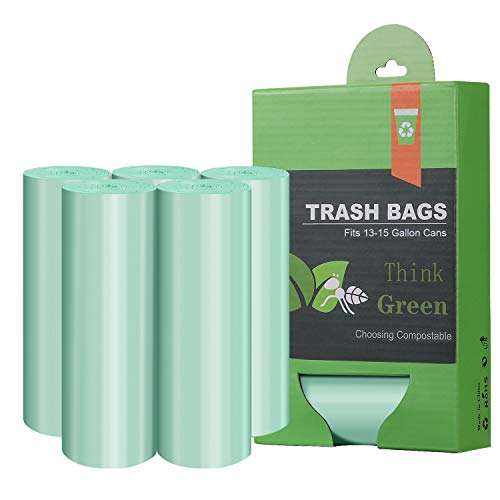
The AYOTEE 13-15 gallon bags are designed for taller kitchen cans with a generous 23.6 x 31.5 inch footprint and a thickness of 1.18 mil. They are primarily plant-based Plastarch Material (PSM) and carry the U.S. ASTM D6866 certification, signaling renewable content. While not suitable for backyard composting, these bags are engineered to degrade under industrial conditions, aiding environmental impact reduction. The product ships in 60 count across four rolls, making them convenient for high-traffic kitchens or households with frequent waste turnover. The tall design helps prevent liner slippage and keeps bins tidier during daily use, including spaces for baby diapers or cat litter disposal. Strength and leak resistance work together to manage mixed waste without frequent tearing.
UNNI Compostable Trash Bags, 13 Gallon

UNNI’s 13-gallon bags are tailored for tall kitchen cans and food scrap bins, measuring about 23.75 by 31.49 inches with a 0.9 mil thickness. The package contains 50 bags per roll, designed to maintain a tidy inner bin while resisting punctures from daily kitchen waste. The bags are certified compostable by multiple bodies, including BPI, CMA, and OK compost HOME, aligning with ASTM D6400 standards. This combination of fit, strength, and credible certifications makes UNNI a reliable option for households seeking certification-backed compostability for everyday waste management.
AYOTEE 8 Gallon Biodegradable Trash Bags

This AYOTEE option targets medium-sized trash cans with an 8-gallon capacity, offering 80 counts across boxes or rolls. The bags are built from plant-based starch (corn) materials, delivering a stronger performance that helps prevent tears and leaks while remaining compostable under industrial conditions. The thickness sits around 0.98 mil, contributing to puncture resistance for everyday office, kitchen, or home use. The design emphasizes easy separation and storage in compact packaging, while the bag’s dimensions (approximately 21.7 x 25.6 inches) suit most mid-sized bins and a variety of can shapes, including circular and rectangular configurations.
Emily’s Choice Code Q Bags, 13-17 Gallons
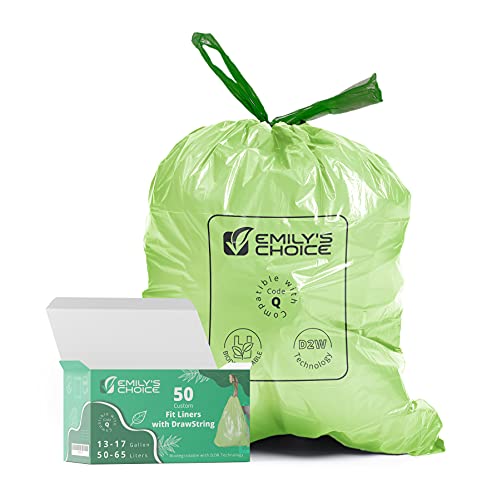
Emily’s Choice Code Q bags are designed for compatibility with Code Q can liners and deliver a robust 1.2 mil thickness for puncture resistance. They are marketed at 50 bags per package, suitable for tall kitchen bins or heavy waste loads like bones and larger scraps. The product emphasizes easy closure with a drawstring, aiding efficient disposal and reducing the risk of leaks. The packaging highlights D2W bioplastic technology, indicating a focus on accelerated breakdown in appropriate conditions, and the nutritional-grade safety expectations tied to biodegradability without sacrificing bag strength during use.
FORID 13 Gallon Compostable Trash Bags

FORID’s 13-gallon bags come in an 80-count package, with dimensions around 24.8 by 31.4 inches. They’re designed to fit most standard 13-gallon round or rectangular bins. The bags boast an octagonal bottom and a claimed strength that resists tearing and leaks when holding wet waste. Material standards include ASTM D6400 and EN 13432, which support backyard or home composting options in addition to industrial facilities, depending on local composting capabilities. This versatility makes FORID a practical choice for households seeking backyard compostable compatibility alongside reliable everyday use.
Simply Bio 13 Gallon Compostable Trash Bags Liners

Simply Bio offers 13-gallon bags at 1 mil thickness, with a drawstring design for secure closure. The package typically includes 30 bags per roll, with dimensions around 23.7 inches by 29.4 inches, providing leak resistance and puncture protection for everyday kitchen and office waste. The bags are marketed as compostable under recognized standards like ASTM D6400 and are aligned with U.S. BPI and OK compost Home certifications, ensuring consumer confidence in home or facility composting contexts. The drawstring feature adds convenience for busy households that require quick and tidy bag changes.
Buying Guide: Key Purchase Considerations
- Certification matters: Look for credible third-party certifications (BPI, OK compost HOME, CMA) to ensure the bag meets compostability standards and aligns with your local waste-program capabilities.
- Thickness and strength: Thicker bags (0.9–1.2 mil) tend to resist tearing, especially with wet or heavy waste. Choose thickness based on typical contents (kitchen scraps vs. mixed waste).
- Capacity fit: Match bag capacity to your bin size. Tall kitchen cans often require 13–15 gallon bags to reduce liner slippage and improve sealing.
- Industrial vs. home compostability: Some bags are designed for industrial composting only, while others are certified for home composting. If you compost at home, verify OK compost HOME or similar certifications.
- Convenience features: Drawstrings, box dispensers, and easy-tear or perforated packaging can improve daily usability and help maintain hygiene.
- Material source: Plant-based starch (like PSM) and D2W formulations indicate different approaches to biodegradability. Consider environmental goals and local composting infrastructure when choosing.
- Cost per bag and packaging format: Bulk counts (50–80 bags per package) typically reduce per-bag cost, though you may prioritize bag size and storage convenience over price alone.
- Odor control and scent: Some bags are unscented to minimize potential irritants or masking fragrances; evaluate whether odor-control features are important for your household.
- Reuse and storage: For smaller bins, compact 4–6 gallon options can be practical if you want more frequent bag changes and simpler disposal routines.
- Environmental impact: Favor bags with renewable content and certifications that confirm reduced environmental harm relative to conventional plastics, while acknowledging that industrial compostability has limitations outside approved facilities.
By weighing certifications, bin compatibility, and daily usage factors, you can select compostable trash bags that align with your environmental goals and practical needs.