If you’re looking to restore clarity and a high-gloss finish to acrylic and other plastics, this guide identifies the best buffing compounds for acrylic. These products suit hobbyists, DIY enthusiasts, and professionals who want a reliable, effective solution for removing minor abrasions, hazing, and surface scratches. The selections emphasize ease of use, suitability for plastics and acrylic, and the ability to achieve a professional-looking shine. The top picks below are grouped by purpose, from restoration systems to standalone polishing pastes.
Choosing the right buffing compound depends on the project scale, the material, and how deep the scratches are. For quick restoration of faded plastics, consider a fine polish that restores clarity. For deeper abrasions, a system with a scratch remover can be more effective. The products listed here are suited for plastics, acrylic, plexiglass, and similar surfaces, with clear guidance on who benefits most from each option. A quick buyer’s table is provided for easy scanning.
| Product | Brand | Best For | Why It Stands Out |
|---|---|---|---|
| Glass Polish 3.4oz GP14018 | Glass Polish | Small to medium acrylic surface touch-ups | Professional micro-finish polish for plastics and acrylics; restores faded surfaces; removes minor abrasions |
| NOVUS-PK1-8 Plastic Clean & Shine Kit | Novus | Complete multi-step restoration | Three-step system with clean & shine, fine scratch remover, and heavy scratch remover for layered restoration |
| Glass Polish 1.7oz GP14017 | Glass Polish | Precision touch-ups on plastics | Compact option with same micro-finishing capability as the larger GP14018 |
| WANJAO Plastic Polishing Compound | WANJAO | Versatile plastic and acrylic polishing | High-efficiency formula, easy to use with machines or manually |
| SCOTTCHEN Mini Buffing Kit | SCOTTCHEN | Compact kit for metals and plastics | Three-pack of colors for different grit levels; versatile for various surfaces |
Glass Polish 3.4oz GP14018 — Professional Plastic & Acrylic Polish

Best for: hobbyists and professionals restoring small acrylic surfaces. GP14018 is a micro-finish polishing compound designed for plastic and acrylic surfaces, including plexiglass and fiberglass. It restores faded colors and removes minor abrasions and surface marks. The product supports high-gloss finishes suitable for display cases, car interiors, and lenses where clarity matters. Use on compatible surfaces to achieve a consistent, mirror-like shine. Caution: test on a small area first to ensure no adverse reaction with unusual plastics.
NOVUS-PK1-2 Plastic Clean & Shine Kit

Best for: users seeking a complete plastic restoration system. The 2-ounce set includes Clean & Shine (#1) and Scratch Remover (#2), plus a #3 Heavy Scratch Remover option in related kits. This system is designed to clean, restore, polish, and protect acrylic, plexiglass, and other plastics through a three-step process. It’s well-suited for automotive headlight lenses, display plastics, and maintenance of glossy plastic surfaces. Limitation: actual scratch depth may require the #3 Heavy Scratch Remover for deeper scratches.
Glass Polish 1.7oz GP14017 — Compact Micro-Finish Polish

Best for: quick, precise acrylic touch-ups. GP14017 offers the same professional micro-finish capability in a smaller bottle, ideal for spot polishing and travel-friendly applications. It helps restore clarity and remove minor abrasion marks on plastics and acrylics. Caution: small bottle means more frequent reapplication for larger surfaces.
DSMART Blue Extra Fine All-Purpose Polishing Compound

Best for: multi-material polishing, including acrylics and metals. This blue compound is designed for polishing, cleaning, and restoring plastics and acrylics, with cross-material compatibility. It’s also applicable to metals like aluminum, brass, and stainless steel, making it a versatile option for mixed-material projects. Limitation: check compatibility with delicate plastics first, as some plastics respond differently to various compounds.
NOVUS-PK1-8 Plastic Clean & Shine Kit

Best for: complete plastic care in larger projects. The 8-ounce bottles provide more coverage for the three-step system, including cleaner, fine scratch remover, and heavy scratch remover. This option is suited for users restoring multiple panels, dashboards, or lenses. Caution: larger bottles may be more economical but require careful storage and sealing to prevent drying out.
Finisolva Diamond Polishing Compound Kit
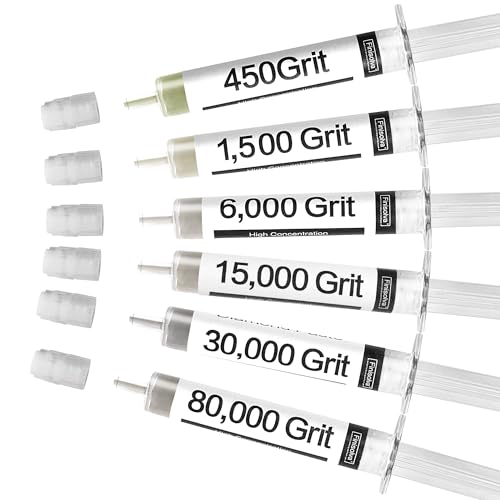
Best for: high-precision mirror finishes on glass, watch crystals, metals, and resin. This kit uses diamond pastes in multiple grit levels from 80,000 to 450, offering a stepwise refinement for flawless surfaces. It’s ideal for professionals requiring ultra-fine polishing and minimal haze. Limitation: diamond pastes require careful handling and appropriate equipment to avoid over-polishing sensitive materials.
SCOTTCHEN Mini Buffing Kit

Best for: three-step polishing with varying coarseness for metals and plastics. The kit includes green (fine), white (medium), and red (coarse) compounds, making it a compact option for DIYers needing versatility across materials. Use with a buffing wheel for best results. Caution: results depend on wheel speed and technique to prevent overheating and surface damage.
Buying Guide
What should you consider when choosing an acrylic buffing compound? First, surface type matters. Acrylics and plexiglass require gentler, micro-finish polishes to avoid micro-scratches. For deeper scratches, a multi-step system that includes a scratch remover component provides safer, staged refinement. Size and packaging influence project scope and storage. Compatibility with other plastics and with your polishing setup (machine vs. hand) is important. Finally, consider odor, residue, and staining potential for sensitive projects and surfaces.
What grade of polish do I need for acrylic?
Choose a micro-finishing polish for light to moderate blemishes and a dedicated scratch remover for deeper scratches. Multi-step kits combine both approaches for safer results on acrylic surfaces.
Should I use a machine polisher with these compounds?
Machines speed up the process and deliver consistent results. Start slow, use light pressure, and test on a hidden area first to avoid overheating or surface damage.
Are blue or white compounds better for plastics?
Blue compounds are generally versatile for plastic and metal work, while white and green variants can be gentler. Always follow the manufacturer’s guidelines for each product’s intended use on plastics.
How do I avoid hazing after polishing?
Polish in small sections, wipe clean between passes, and finish with a final light pass using a fine polish. Remove all residue and inspect under good lighting to confirm a haze-free surface.
What about environmental impact?
Some kits emphasize sustainability by including reusable towels or facilitating extended life for plastics, reducing replacement waste. Consider refills or larger bottles for longer projects to minimize waste.
Warranty and testing notes
Product information should be verified from the seller; always test on an inconspicuous area before full application to avoid unintended damage.
FAQ
- Is a scratch remover necessary for acrylic polishing? If you have fine or light scratches, a scratch remover helps restore clarity more effectively than a basic polish.
- Can I use these compounds on glass or metal? Some compounds are multi-material, but always check the product’s stated compatibility for best results and to avoid damage.
- Do I need a buffing wheel? A buffing wheel or polishing machine improves consistency and speed, but some products are suitable for manual use with a microfiber cloth.
- Will these products stain my surface? Most are formulated to avoid staining; however, test on a small area first, especially for dye-sensitive plastics.
- How long does polishing take? It depends on surface area, scratch depth, and equipment. Start with short sessions and increase as needed to avoid overheating.
- Are these products suitable for automotive plastics? Yes, many are designed for automotive plastics and lenses, offering clarity restoration and protection through polishing steps.