When choosing a carbon remover for pans, look for products that rapidly break down baked-on grease and carbon without damaging cookware. This guide highlights five top options suited for home kitchens, professional kitchens, and hobbyists who want easier cleanup after tough cooking residues. Each choice is explained for specific pan materials and use cases, with clear pros and cautions to help you pick the right cleaner for your cookware.
Summary of selected products:
| Product | Best For | Key Strength | Limitations |
|---|---|---|---|
| Diversey Break-Up Oven & Grill Cleaner | Commercial kitchens, heavy grease | Clinging foam; versatile on surfaces | Aerosol; use in well-ventilated areas |
| Bar Keepers Friend Cookware Cleanser & Polish | All-round stainless steel and non-coated pans | Stain removal with a safe polish | May require scrubbing for heavy buildup |
| SLIP 2000 Carbon Killer | Metal gun parts and related tools; carbon buildup | Reusable, reduces cleanup time | Specific to metal tools; not kitchen-grade |
| MIUMONE Burnt Residue Remover Paste | Stainless steel and cast iron cookware | Deep-clean paste; versatile on multiple surfaces | Not suitable for aluminum or unknown materials |
| AUGKOI Pot And Pan Bottom Cleaner | Cast iron, stainless steel pans | Enzymatic deep-clean action; restores shine | Need rinse; paste formula may require longer contact |
Diversey Break-Up Oven & Grill Cleaner

Best for: Commercial kitchens and heavy-duty cleaning tasks. This product uses a fast-acting foam to break down baked-on grease, grime, and carbon on contact, even on cold surfaces. It shines on ovens, grills, vent hoods, fryers, griddles, and similar surfaces. The foaming formula clings to vertical surfaces for maximum contact, helping emulsify tough soils for easier wipe-away cleaning.
Why chosen: The heavy-duty formula is designed for high-output cleaning environments, making it a strong option when built-up carbon is a recurring problem. Its clinging foam helps reach hard-to-clean areas without intense scrubbing, which is a practical time-saver in busy kitchens.
Caution: Use in a well-ventilated area and follow label directions to avoid excessive exposure or damage to sensitive surfaces. Avoid use on surfaces not compatible with strong cleaners.
Bar Keepers Friend Cookware Cleanser & Polish

Best for: Stainless steel pots, pans, and bakeware; safe on glass lids. This cleaner cuts through oil, baked-on food, mineral deposits, and rust stains without bleach. It also functions as a polish to restore shine on cookware and can be used on sinks and grills.
Why chosen: It provides effective stain and tarnish removal while remaining gentle on stainless steel surfaces. The product’s versatility makes it a go-to for frequent stain removal and maintenance, with a polish finish that reduces the need for multiple products.
Caution: Avoid using on non-specified coated surfaces that may be sensitive to scouring powders. Test on a small area if unsure about finishes.
SLIP 2000 Carbon Killer Bore Cleaner
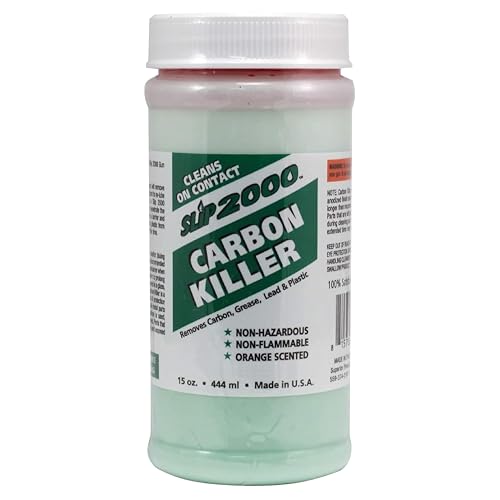
Best for: Tools and components that accumulate carbon and lead buildup. The water-based formula is aggressive on carbon but designed to be reusable; a jar can be used for multiple cleanings when stored properly. It is positioned to reduce cleanup time significantly when used as part of a system with Slip2000 lubricants.
Why chosen: Its carbon-killing performance for metal parts can be a time-saver for applicances and equipment where carbon buildup is common. The reusability of the cleaner adds value for ongoing maintenance routines.
Caution: This product is described primarily for metal firearm parts and related applications; verify kitchen compliance and material compatibility before use on cookware.
MIUMONE Burnt Residue Remover Paste

Best for: Stainless steel and cast iron cookware with burnt-on residue and heavy grease. This paste formula is designed to penetrate deep into surfaces to dissolve tough stains without hours of scrubbing. It’s described as safe for multiple cookware types, including stainless steel and iron.
Why chosen: Paste formulas can provide targeted action on stubborn carbon, making them a solid option when liquid cleaners fall short. The paste can stay on the surface longer for deeper cleaning results.
Caution: Not suitable for aluminum, copper, coated cookware, or unknown materials. Always check compatibility with your specific pan before applying a paste cleanser.
AUGKOI Pot And Pan Bottom Cleaner

Best for: Cast iron, stainless steel, glass, and enamel cookware. The cleaner uses advanced enzymatic cleaning action to tackle black stains and stubborn carbon at the bottom of pans, helping restore the cookware’s shine with less scrubbing.
Why chosen: Enzymatic cleaners offer a gentle yet effective approach to breaking down organic soils at the source. This makes it suitable for pans with heavy carbon buildup but a preference for non-abrasive options.
Caution: Paste-like formulations may require a longer contact time and thorough rinsing to avoid residue left on cookware. Test on a small area first if unsure about finish compatibility.
Buying Guide: How to Choose The Right Carbon Remover For Pans
- Materials compatibility: Identify whether your pans are stainless steel, cast iron, aluminum, or non-stick. Some cleaners are safe on stainless but not on coatings.
- Residue and odor: Consider products with safe, low-odor formulations if you cook indoors or have sensitivities.
- Form and application: Liquid sprays, pastes, and enzymatic cleaners offer different contact times and ease of use. Choose based on the level of buildup you typically encounter.
- Ventilation and safety: Heavy-duty cleaners may require ventilation, gloves, and eye protection. Always follow label directions.
- Reuse and maintenance: Some products can be stored and reused, offering cost efficiency over time. Others excel as one-time use cleaners for tough jobs.
- Surface reach: For vertical or hard-to-reach surfaces, foaming or cling formulations deliver better contact.
Frequently Asked Questions
- What should I use to remove carbon from stainless steel pans?
– Look for heavy-duty cleaners with safe formulas for stainless steel, such as Bar Keepers Friend or Diversey Break-Up, which provide strong grease removal without scratching. - Can I use oven cleaner on pans other than ovens?
– Some oven cleaners are versatile, but check the label for cookware compatibility and always test a small area first. - Are paste cleaners better than sprays for burnt-on residues?
– Paste cleaners can stay on the surface longer to penetrate baked-on soils, while sprays provide quick coverage; choose based on buildup and surface shape. - Is enzymatic cleaner safer for enamel or non-stick coatings?
– Enzymatic cleaners tend to be gentler, but verify the product’s compatibility with non-stick or enamel coatings before use. - Should I avoid carbon cleaners for cast iron?
– Cast iron benefits from cleaners that don’t strip seasoning; choose gentler formulas or dedicated cast-iron-safe cleaners when possible. - Can I reuse a carbon cleaner for multiple cleanings?
– Some products, like specialized carbon killers, are designed to be reused when properly stored, reducing waste and cost.