When tiles accumulate cement, grout haze, or mortar splatter, a purpose-built cement remover helps restore surfaces without damaging tile, grout, or surrounding finishes. This guide reviews five reliable products that tackle dried cement, mortar, and efflorescence on floors, walls, and tools. Each option emphasizes strong performance with considerations for safety, odor, and surface compatibility.
Summary of chosen products:
| Product | Brand | Key Benefit | Surface Compatibility |
|---|---|---|---|
| Miracle Sealants Heavy-Duty Acidic Cleaner for Tile & Stone | Miracle Sealants | Fast-acting, dissolves grout haze, rust, efflorescence | Tile, stone, grout |
| FABER Cement Remover for Tiles | FABER | Heavy-duty cement and grout haze removal | Tiles, grout, concrete residues |
| Detco Crete Away Concrete Remover | Detco | Non-toxic, biodegradable; acid-free formula | Painted surfaces, plastics, metals |
| Korkay DIY Concrete Remover & Cement Dissolver | Korkay | Bio-degradable, non-acid; quick results | Tools, equipment, surfaces |
| CAF Lift Pro Rust Stain Remover Concentrate | CAF Outdoor Cleaning | Rust stains and cement-related discoloration outdoors | Pavers, concrete, grout |
Miracle Sealants Heavy-Duty Acidic Cleaner for Tile & Stone
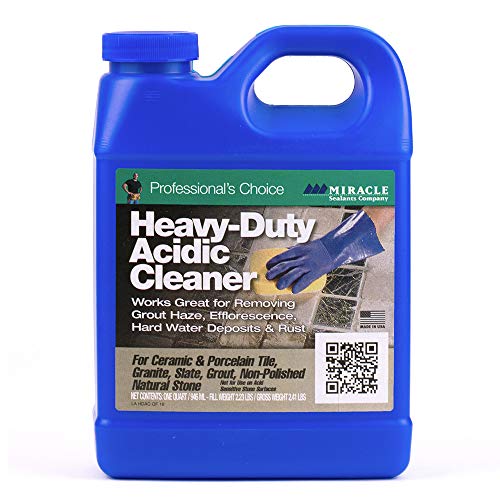
Miracle Sealants’ Heavy-Duty Cleaner is designed to rapidly remove grout haze, rust stains, and efflorescence from tile and stone surfaces. The formula is fast-acting and dilutable, enabling control over strength for different job sizes. It is suitable for interior and exterior use, offering a balance between aggressive cleaning and surface safety when used as directed. Users should follow label instructions for mixing ratios and ventilation to minimize exposure to concentrated cleaners.
FABER Cement Remover for Tiles

FABER Cement Remover targets cement haze, grout residues, and efflorescence on tiles. It markets itself as a showroom-quality cleaner that can handle cement-based residues without excessive scrubbing when used with common tile-cleaning tools. It is a strong choice for post-construction cleanup on tile surfaces and grout lines, with a focus on restoring the original appearance while minimizing damage to joints. Always test on a small area first to confirm compatibility.
Detco Crete Away Concrete Remover

Detco Crete Away removes hardened cement residues and grout residue using an acid-free formula designed to be gentler on painted finishes and non-metal surfaces. It is marketed as a rapid-release solution that turns cement buildup into rinseable sludge within minutes, reducing downtime. Its non-toxic, non-corrosive profile makes it a safer option for indoor use and environments where fume sensitivity is a concern. Always follow the product’s instructions for dwell time and application method.
Korkay DIY Concrete Remover & Cement Dissolver

Korkay’s product offers a biodegradable, non-acid formula that claims rapid results and complete dissolution of cement, producing a rinsable mud. It is positioned for DIY use and is suitable for tools, mixers, and various surfaces. The non-acid approach can be advantageous for users who want to avoid harsh chemical fumes; however, results can vary with cement type and surface porosity. Always test on an inconspicuous area first.
CAF Lift Pro Rust Stain Remover Concentrate

CAF Lift Pro combines rust stain removal with a gentle outdoor cleaning capability. While primarily marketed for outdoor hard surfaces and rust staining, it can be part of a broader maintenance routine for cement and grout areas exposed to weathering. The concentrate format allows you to tailor dilution to the job, preserving adjacent landscaping while delivering effective results in outdoor settings.
Buying Guide: Key Considerations For Choosing Cement Removers
Surface compatibility is essential. Tile and stone surfaces differ in porosity and glaze; select products labeled safe for tiles, enamel-coated, or painted surfaces to avoid etching or dulling finishes. Test on a small, inconspicuous area before full application.
Active chemistry varies. Some cleaners use acidic formulations to break down cement haze quickly, while others rely on non-acid or biodegradable approaches to reduce fumes and surface damage. Consider ventilation, odor sensitivity, and workplace safety when selecting a product for indoor spaces.
Contact time and dilution matter. Shelf life, dwell time, and required mix ratios influence job duration and overall cleanup effort. Read product instructions to optimize dwell time for heavy residues without overexposure.
Application method. Sprays, brushes, and wipes each have advantages depending on surface geometry and residue type. For large flat areas, spray-on products followed by rinsing tend to be efficient, while intricate joints may benefit from brushes or pads.
Environmental and safety considerations. Biodegradable formulas and products labeled non-toxic can reduce environmental impact and worker exposure. Always wear appropriate PPE (gloves, eye protection) and ensure good ventilation when working with cleaners, especially on interior projects.
Remnant residues. Some products leave a faint odor or a light film that may require a secondary rinse or a tile-safe cleaner to restore luster after treatment. Post-cleaning care can help maintain tile integrity and grout color.
In selecting a cement remover for tiles, assess the specific staining type (grout haze, cement splatter, efflorescence, rust), surface material, indoor vs. outdoor use, and tolerance for fumes. The five products above provide varied approaches—from acidic to non-acid formulations—allowing you to choose based on your cleaning needs and safety preferences. Always follow label directions for best results and surface protection.