Answering the common buyer question, this guide highlights effective graffiti removal chemicals and gels that are suitable for different surfaces. Best choices depend on your surface type—brick, metal, glass, or painted walls—and whether you prioritize rapid action, safer formulations, or multi-surface versatility. The following selections are organized to help you decide who should use each product, with clear reasons and practical cautions. A quick summary table is provided to compare key attributes at a glance.
| Product | Best For | Surface Types | Notable Point |
|---|---|---|---|
| Pro Strength Cleaner for Graffiti | Best for exterior walls and vehicles | Brick, vehicles, signs, painted interiors | Water-based, biodegradable |
| KRUD KUTTER GR32 Graffiti Remover | Best all-around solvent remover | Aluminum, brick, concrete, glass, metal | Removes multiple coatings and markers |
| Max Strip All Purpose Paint Remover & Drip Cleaner | Best multi-surface gel | Metal, brick, concrete, tile, glass, wood | No caustic chemicals |
| Chemical Guys Heavy Duty Water Spot Remover Gel | Best for water spots on cars | Paint, glass, metal | Safe for clear coat and glass |
| Max Strip Spray Paint & Graffiti Remover | Best fast-acting spray gel | Brick, wood, metal, glass, concrete | No methylene chloride or NMP |
Buyer profile: this guide is helpful for property managers, facility maintenance teams, DIY homeowners, car enthusiasts, and hobbyists working on graffiti cleanup or paint spill removal. Each product is described with surface targets, ideal use cases, and practical caveats to avoid common pitfalls.
Pro Strength Cleaner For Graffiti

Brand: Oil Eater Store. This cleaner removes acrylic and enamel paint from graffiti, spray paint overspray, paint spills, and wall markings. It is water-based and biodegradable, making it safe for exterior walls, vehicle exteriors, signs, and interior walls. It is also suitable for permanent marker cleanup on painted surfaces and overspray on craft projects. Best for: exterior walls and vehicles where a biodegradable formula is preferred. Caution: Not designed for latex paint, so avoid latex-coated surfaces.
KRUD KUTTER GR32 Graffiti Remover
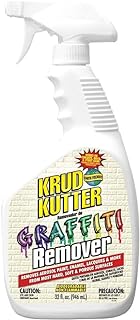
Brand: Rust-Oleum Store. This remover tackles dried paints including acrylic, enamel, aerosol, alkyd, polyurethane, oil-based lacquers, primers, sealers, and water-based coatings. It also breaks down permanent marker, ink, lipstick, crayon, and shoe dye from various substrates. Best for: diverse surface cleanup on metal, brick, concrete, glass, and more. Caution: be mindful of surface compatibility with older coatings and ensure proper ventilation.
Max Strip All Purpose Paint Remover & Drip Cleaner

Brand: Max Strip Store. This multi-surface gel tackles paint spills, overspray, graffiti, markers, gum, glues, and decals. It is fast-acting without caustic chemicals such as methylene chloride or NMP. Application is simple: apply, recheck every 15 minutes, and remove with a scraper. Best for: broad cleanup across metal, brick, concrete, tile, glass, stone, wood, and more. Caution: test on delicate finishes first to avoid potential surface damage.
Chemical Guys Heavy Duty Water Spot Remover Gel

Brand: Chemical Guys Store. A heavy-duty water stain remover gel designed for cars. It targets stubborn mineral stains and water spots on paint, glass, and metal, while remaining safe for clear coats and polished surfaces. Best for: car detailing when mineral deposits are a concern. Caution: verify compatibility with any coated or polished metal prior to full application.
Max Strip Spray Paint & Graffiti Remover
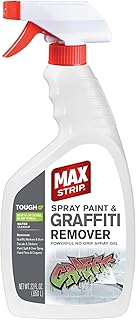
Brand: Max Strip Store. This fast-acting spray gel strips graffiti, markers, gum, decals, paint spills, overspray, and more. It contains no methylene chloride or NMP, reducing harsh fumes. Best for: quick cleanup in confined or small spaces where spray application is convenient. Caution: use in well-ventilated areas and avoid oversaturation on highly porous materials.
Buying Guide
What to consider when choosing a graffiti removal chemical:
- Surface compatibility: Choose products tailored to brick, concrete, metal, glass, or painted surfaces. Some formulas are multi-surface, while others excel on specific materials.
- Coating safety: If you have clear coats, polished metal, or delicate finishes, prefer products that state compatibility or are designed for safe use on those surfaces.
- Impact on odors and fumes: For enclosed spaces, select low-odor or non-caustic options to improve safety and comfort.
- Application method: Gel, spray, and liquid forms offer different application control. Gel formulations can cling to vertical surfaces, while sprays are faster for broad areas.
- Time to action: Some products require 15-minute intervals to assess progress; plan cleanup around these reapplication windows.
- Safety and disposal: Use biodegradable or low-toxicity formulations when possible and follow local disposal guidelines for chemical cleaners.
FAQs
- What is the safest graffiti remover for exterior brick surfaces? A biodegradable, water-based formula that is designed for exterior walls is typically safer for brick, as seen in products like Pro Strength Cleaner for Graffiti.
- Can these products remove permanent marker from painted walls? Yes, several products describe marker and ink removal on painted surfaces, including multi-surface gels.
- Are solvent-based removers necessary for graffiti? Not always. Some users prefer water-based or lower-toxicity options, especially for indoor use or on delicate finishes.
- Should I test a small area first? Yes. Always test on a hidden or inconspicuous area to verify that the surface tolerates the cleaner well.
- Is methylene chloride present in these products? Some products advertise no methylene chloride or NMP, which is preferable for safer cleanup in confined spaces.
- How should I dispose of leftover cleaner? Follow the product’s label instructions and local hazardous waste guidelines; some products are designed to be biodegradable.