Answer: For plastic windows, choose a dedicated cleaner that protects plastic surfaces, reduces static, and leaves a clear, haze-free finish. The top picks below are best for automotive, marine, and recreational-vehicle plastics, including windshields, helmets visors, and vinyl windows. Each product targets different needs, from anti-static protection to UV resistance. This guide helps buyers compare options and pick the right cleaner for their plastic surfaces.
| Product | Brand | Best For | Key Benefit |
|---|---|---|---|
| Invisible Glass 92084 | Invisible Glass | Automotive, motorcycle, RV, boat plastics | Streak-free, anti-static, no scratches |
| Invisible Glass 92084-2PK | Invisible Glass | Multiple plastic surfaces in vehicles or boats | Double the cleaning power, same anti-static tech |
| 303 Marine Clear Vinyl Protective Cleaner | 303 Products | Marine vinyl windows and strataglass/isenglass | UV protection, prevents yellowing and cracking |
| Plexus Plastic Cleaner | プレクサス | Delicate plastics and surface polishing | Seals pores with a protective wax layer |
| Meguiar’s PlastX | Meguiar’s | Uncoated clear plastics and headlights | Restores clarity, removes light oxidation |
Invisible Glass 92084 Clear Plastic Cleaner

Best for: Vehicle owners needing a streak-free finish on acrylic and vinyl windows, windshields, or helmet visors. This formula is gentle and anti-static, helping to repel dust while minimizing micro-scratches. Choose this if you want a simple, spray-on solution that leaves surfaces spotless and haze-free. Limitation: Not designed for heavy adhesive residue or extremely scratched surfaces.
Invisible Glass 92084-2PK Clear Plastic Cleaner

Best for: Multiple plastic surfaces at once, such as a family RV or boat with several plastic windows. This two-pack mirrors the single formula’s anti-static, non-scratch properties while offering more coverage per purchase. Better for: households or fleets needing bulk cleaning. Caution: Ensure surfaces are not heavily soiled with oil before use for optimal results.
303 Marine Clear Vinyl Protective Cleaner

Best for: Marine applications, especially Strataglass, Eisenglass, and other vinyl windows on boats. It provides UV protection to prevent yellowing and cracking while leaving a matte, non-oily finish. Choose this if UV exposure is a primary concern. Limitation: May require re-application every few weeks for sustained UV protection in harsh sun.
Bestop Vinyl Window Cleaner

Best for: Jeep owners with vinyl soft-top windows. This cleaner is designed to safely clean and polish vinyl windows and help reduce sun damage. The result is clearer windows and less surface wear. Limitation: Primarily formulated for vinyl windows; suitability for other plastics may vary.
Plexus Plastic Cleaner
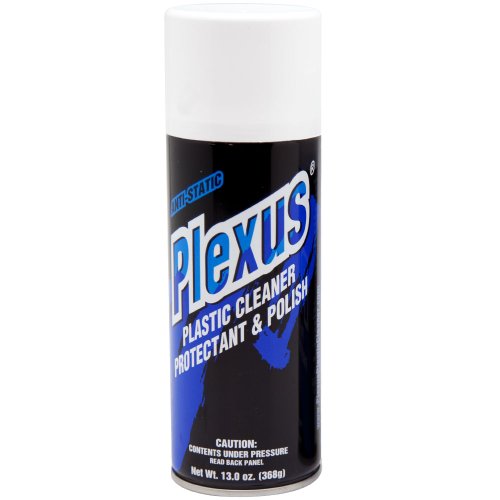
Best for: Delicate plastic surfaces that require a gentle but protective cleaning approach. Plexus seals pores with a micro-thin wax layer, offering resistance to debris and minor scratching. Choose this if you want to maintain clarity on glossy plastic dashboards, visors, or coated plastics. Caution: The wax layer may attract dust over time and may require periodic reapplication for optimal protection.
Meguiar’s PlastX Clear Plastic Cleaner & Polish

Best for: Restoring clarity to uncoated clear plastics with light oxidation, cloudiness, or fine scratches. PlastX is a multi-purpose cleaner and polish suitable for headlights, Plexiglass, and other clear plastic surfaces. Choose this if restoration is needed rather than just cleaning. Limitation: Not a heavy-duty solvent; best for mild to moderate surface imperfections.
Buying Guide
What surface is being cleaned?
Automotive plastics, marine vinyl, and consumer plastics vary in composition. Select a product formulated for your surface to avoid hazing or damage.
Do you need UV protection?
Marine and outdoor use often require UV inhibitors. Products like 303 Marine Clear Vinyl provide UV protection to extend clarity and prevent yellowing.
Is anti-static performance important?
Anti-static cleaners help reduce dust attraction between cleanings. This is beneficial for vehicles with extensive plastic windows or helmets with visors.
Are there delicate surfaces involved?
Delicate plastics benefit from non-abrasive formulas. Plexus and Meguiar’s PlastX are examples that minimize micro-scratches while restoring clarity.
How often should you reapply?
UV protection and film finishes often require more frequent reapplication. Follow product guidance based on exposure and usage patterns to maintain results.
Maintenance tips
- Wash surfaces with a mild soap and water before applying cleaners.
- Avoid abrasive cloths; use microfiber to reduce scratching.
- Test on a small area first to check for haze or streaking.
- Wipe in consistent, circular motions for best results.
Summary of key differences
- Best for overall automotive plastic surfaces: Invisible Glass 92084 (streak-free, anti-static).
- Best value for multiple surfaces: Invisible Glass 92084-2PK.
- Best for marine vinyl with UV protection: 303 Marine Clear Vinyl Protective Cleaner.
- Best for delicate plastics with protective wax: Plexus Plastic Cleaner.
- Best for restoring clarity on coated plastics: Meguiar’s PlastX.
Frequently Asked Questions
- What is the safest cleaner for helmet visors?
- Can these cleaners be used on windshield glass?
- Will cleaners leave a residue on plastic?
- How often should vinyl boat windows be cleaned?
- Are UV protectants necessary for all plastic surfaces?
- Can I mix products?
Choose a non-abrasive formula designed for plastic surfaces and anti-static properties to minimize scratches and dust attraction.
These products are formulated for acrylic and vinyl plastics; use a glass-specific cleaner for glass surfaces to avoid streaks.
Most recommended products are designed to dry to a clear, non-greasy finish. Follow usage directions to minimize residue.
In marine environments, clean every few weeks or as needed, and reapply UV-protective products according to exposure levels.
UV protectants are particularly important for outdoor and marine surfaces to prevent yellowing and cracking over time.
Avoid mixing cleaners unless explicitly stated by the manufacturer, as interactions can cause hazing or residue.