Yes, soot and smoke stains on brick fireplaces can be cleaned effectively with the right products and steps. This guide highlights five top Amazon picks designed for brick, stone, and masonry surfaces, plus safe options for glass doors. It helps buyers decide which cleaner fits their fireplace type, whether indoors, outdoors, or around glass fronts. The top choices target soot, smoke stains, and dullness without harsh abrasives. The following table summarizes their suitability at a glance.
| Product | Best For | Key Benefit |
|---|---|---|
| CHIMNEYRX Paint N Peel Fireplace Cleaner | Brick, Tile, Stone Fronts | Peels away soot without scrubbing |
| The Chimney Shop AW Perkins Brick & Stone Cleaner | Brick & Masonry | Non-acidic, versatile for many surfaces |
| Rutland White Off Glass Cleaner | Gas Fireplace Glass | Removes white residue without scratching |
| Quick ‘n Brite Glass Cleaner Kit | Glass Surfaces | Heavy-duty glass cleaning for soot and creosote |
| Quick ‘n Brite Gel Cleaner for Brick/Stone | Brick, Stone, Tile | Non-abrasive gel for tough grime |
CHIMNEYRX Paint N Peel Fireplace Cleaner
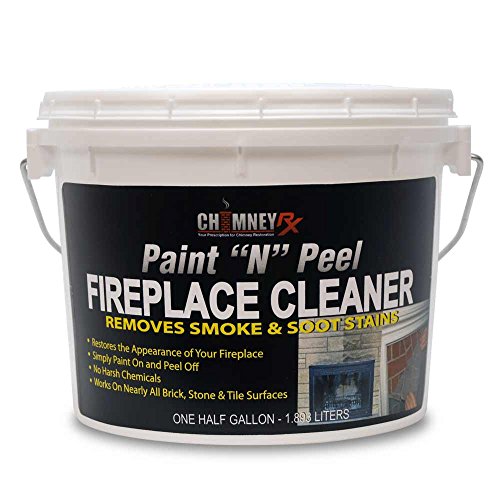
What it is: A water-based, non-toxic cleaner designed for brick, tile, and stone surfaces around fireplaces. It dries into a peelable film that lifts soot and grime, reducing manual scrubbing.
Best for: Homeowners with brick fronts or hearths who want a no-scrub solution and a finish that reveals clean, renewed masonry.
Why selected: This product specializes in stubborn soot stains on fireplace fronts without harsh chemicals, making it suitable for regular maintenance and periodic deep cleaning.
Limitations: Requires peeling off the dried film for residue removal, which some users may prefer to avoid for delicate surfaces.
The Chimney Shop AW Perkins Brick & Stone Cleaner

What it is: A non-acidic cleaning solution formulated for brick, stone, and masonry. It’s designed for fireplaces, chimneys, hearths, patios, and other stone surfaces.
Best for: Buyers seeking a versatile cleaner for multiple masonry surfaces beyond the fireplace itself, with a safer formula for frequent use.
Why selected: The non-acidic formula helps minimize risk of surface damage while delivering effective soot and dirt lifting on rugged masonry.
Limitations: Like other masonry cleaners, it may require additional rinsing or wiping to fully remove loosened grime from porous bricks.
Rutland White Off Fireplace Glass Cleaner Cream
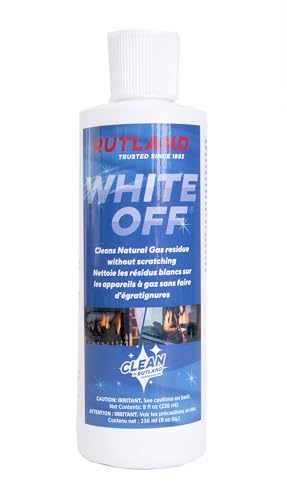
What it is: A glass cleaner cream designed to remove white residue on gas fireplace glass doors. It cleans without scratching or micro-pitting and is safe for other kitchen and bath surfaces.
Best for: Those with glass doors seeking a gentle, ammonia-free cleaner that preserves glass integrity while removing soot and film.
Why selected: It specifically addresses gas fireplaces’ glass, complementing brick cleaners for a complete fireplace makeover.
Caution: Use on cold glass surfaces only and follow product directions to avoid streaks or residue buildup.
Quick ‘n Brite Glass Cleaner Kit

What it is: A heavy-duty glass cleaning kit that includes a cleaner, scraper tool, sponges, and towels to tackle soot, creosote, and smoke on fireplace glass and other glass surfaces.
Best for: Homes with glass fronts or doors that accumulate soot and smoke residues; ideal when a complete glass cleaning toolset is preferred.
Why selected: The kit provides multiple accessories to enhance cleaning effectiveness and convenience, especially around glass surfaces.
Limitation: Not a primary masonry cleaner; best used on glass components combined with brick or stone cleaners for full fireplace cleaning.
Quick ‘n Brite Gel Cleaner for Brick & Stone

What it is: A non-abrasive gel cleaner designed for brick, stone, tile, and river rock surfaces. It penetrates tough grime without damaging masonry materials.
Best for: Users who prefer a gel format for controlled application and a safer option for delicate brick textures.
Why selected: The gel formula allows targeted application on vertical or intricate masonry surfaces, reducing drips and waste.
Caution: Follow application times and rinse steps; some porous bricks may require multiple cleanings for complete stain removal.
Rutland Fireplace Glass and Hearth Cleaner

What it is: An ammonia-free cleaner designed to remove soot and creosote from high-temperature glass and related hearth components, suitable for wood stoves and screens as well as fireplace doors.
Best for: Homeowners with multiple high-heat surfaces who want a single cleaner for glass, metal, and cast-iron components around the fireplace.
Why selected: Ammonia-free formula reduces odor and potential irritation while maintaining effective soot removal on glass and hearth elements.
Limitation: This product focuses on glass and metal elements; for brick cleaning, pair with a masonry-specific cleaner to address brick surfaces thoroughly.
Buying Guide: Key Considerations for Soot Removal on Brick Fireplaces
What type of surface is being cleaned? Brick and stone require masonry cleaners designed to lift soot without etching or discoloration. Do not rely on glass cleaners alone for brick surfaces.
Is non-acidic important? Non-acidic formulas reduce the risk of damage to porous brick, stone, and mortar. They’re often safer for frequent cleaning and for preserving the integrity of historic or vintage fireplaces.
Do you need a gel, liquid, or spray? Gels allow precise application on vertical surfaces without dripping. Liquids work well for soaking and penetrating crevices, while sprays offer quick coverage for broad areas.
Will you clean glass too? If your fireplace has glass doors, choose a dedicated glass cleaner in addition to brick/masonry cleaners to clean both components effectively.
What about ease of use? Look for cleaners that require minimal scrubbing, especially if you’re cleaning large frontages. Peel-off formulations can reduce manual effort, though they may require extra rinsing and removed films.
Safety and suitability: Verify that products are labeled safe for indoor use and compatible with brick, stone, tile, and metal components. Avoid cleaners with harsh chemicals or abrasive particles that can scratch or erode surfaces.
Frequently Asked Questions
- What’s the best way to clean soot off brick fireplace surfaces?
– Start with a masonry cleaner formulated for brick, following product directions. For stubborn stains, apply and allow time for penetration, then wipe away with a damp cloth or brush. Finish with a rinse to remove residues. - Can I use a glass cleaner on brick?
– Glass cleaners are not ideal for brick. They are designed for glass surfaces. Use masonry cleaners for brick, and save glass-specific products for the doors or screens. - Are non-acidic cleaners safer for brick?
– Yes. Non-acidic formulas are generally safer for porous bricks and can reduce risk of surface damage or color changes while removing soot. - Should I use a gel cleaner or a liquid?
– Gel cleaners are good for vertical or complex surfaces to minimize drips. Liquids work well for soaking and penetrating deeply where grime hides. - Is it necessary to rinse after cleaning?
– Rinsing is typically recommended to remove loosened soot and cleaner residues, especially on brick and stone surfaces. - Can I use these products outdoors?
– Many masonry cleaners are suitable for outdoor use, but always check the product label for outdoor compatibility and ventilation considerations.