These cleaning cloths deliver efficient, lint-free results for glass, mirrors, windshields, and glossy surfaces. This guide highlights five top options, clarifying who each product suits best, plus practical buying tips. Ideal buyers include homeowners, office cleaners, eyewear users, photographers, and tech enthusiasts seeking streak-free clarity without scratching delicate coatings.
Overview of selected products
| Product | Brand | Key Benefit | Best For |
|---|---|---|---|
| Puomue 6 Pack Microfiber Glass Cleaning Cloth | Puomue | High absorbency and fast drying | Large surface cleaning, windows, windshields |
| MR.SIGA Ultra Fine Microfiber Cloths for Glass | MR.SIGA | Soft, lint-free, machine washable | Everyday glass surfaces |
| AIDEA Microfiber Glass Cleaning Cloth | AIDEA | Lint-free and quick-drying, durable | Windows, mirrors, stainless steel |
| HOMERHYME Microfiber Glass Cleaning Cloth | HOMERHYME | No streaks, no lint, highly absorbent | Streak-free polishing on glass and metal |
| Koala Lens Cleaning Cloth | Japanese Microfiber | Koala Lifestyle | Ultra-dense, lint-free performance | Glasses, camera lenses, optics |
Puomue 6 Pack Microfiber Glass Cloth
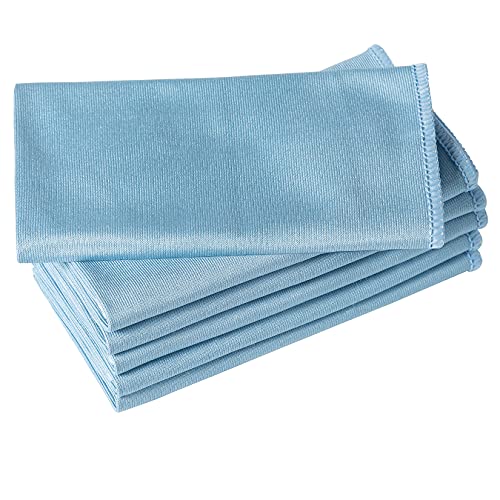
Puomue’s 16×16 inch microfiber cloths are designed for large surface areas like windows, glasses, windshields, and stainless steel. Their high absorbency enables quick drying, reducing streaks and water marks. The soft, lint-free fibers minimize lint transfer during cleaning.
Best for: Buyers needing large, rapid-dry cloths for windows and reflective surfaces. Limitations: Heavier weight may be less convenient for small crevices.
MR.SIGA Ultra Fine Microfiber Cloths For Glass

MR.SIGA cloths are soft, lint-free, and easy to wash. Their fine polish and smooth texture help achieve a scratch-free, streak-free finish on glass surfaces. The kit is suitable for regular glass cleaning without leaving fibers behind.
Best for: Everyday glass cleaning with machine-washable convenience. Limitations: May be less absorbent than heavier 320 GSM options.
AIDEA Microfiber Glass Cleaning Cloth (8 Pack)
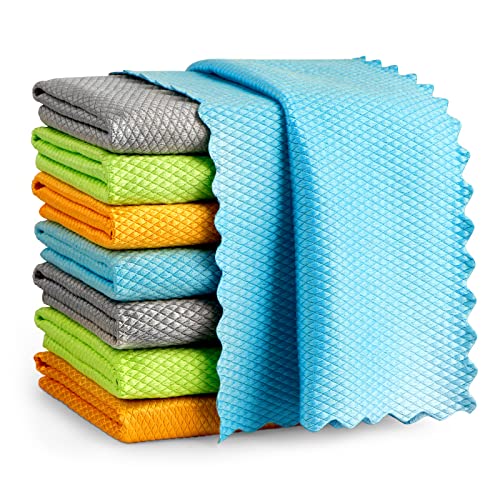
AIDEA offers an 8-pack of lint-free, non-abrasive microfiber cloths, emphasizing quick drying and easy machine washing. They are designed to protect delicate surfaces while delivering streak-free results on glass, windows, and stainless steel.
Best for: Users needing non-abrasive care for delicate glass or high-contact surfaces. Limitations: Brand notes emphasize durability, but performance depends on washing and drying practices.
HOMERHYME Microfiber Glass Cleaning Cloth

HOMERHYME cloths are designed to avoid streaks, scratches, and lint. They feature high absorbency and a dense microfiber texture, making them effective for cleaning glass surfaces, mirrors, and stainless steel with minimal residue.
Best for: Clean, mirror-like finishes on glass and metal. Limitations: Thicker cloths may take longer to dry in humid conditions.
Koala Lens Cleaning Cloth | Japanese Microfiber
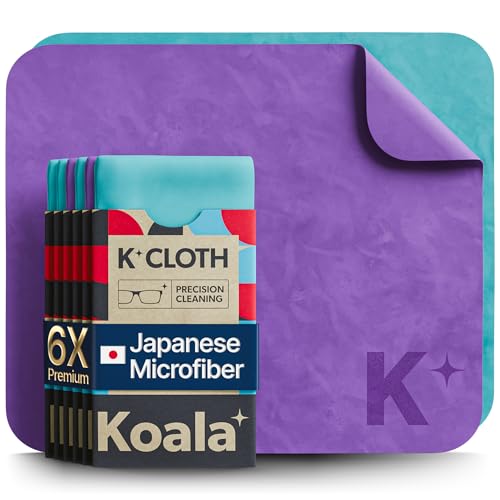
Koala Lifestyle cloths use premium Japanese microfiber designed for lenses and optics. They are highly absorbent, lint-free, and suitable for glasses, cameras, VR headsets, and screens, delivering precise cleaning with minimal streaks.
Best for: Precision optics and delicate lenses. Limitations: Higher cost per cloth may apply compared to bulk off-brand options.
Buying Guide
What to consider when choosing glass cleaning cloths:
- Material density and linting: Heavier GSM fabrics tend to absorb more and dry faster, reducing streaks on large surfaces.
- Surface compatibility: Delicate coatings require non-abrasive, lint-free cloths to avoid scratches.
- Size and thickness: Larger cloths speed up cleaning of windows and glass panels; thicker cloths offer better scrubbing and absorption.
- Washability: Machine-washable cloths save money and maintain performance over time.
- Specialized use: Lenses and optics benefit from ultra-dense, lint-free fabrics designed for precision surfaces.
What’s the best overall for streak-free results?
Cloths described as lint-free, non-abrasive, and highly absorbent are generally best for achieving streak-free finishes on glass and mirrors. The choice between heavier or finer fabrics depends on whether you clean large surfaces or delicate optics.
How to care for microfiber cloths?
Wash microfiber cloths separately from cotton fabrics. Use a gentle cycle with mild detergent, avoid fabric softeners and dryer sheets, and air dry or use a low heat setting to preserve fiber integrity.
FAQ
- What is the main advantage of microfiber for glass cleaning?
Microfiber fibers trap dust and oils without leaving lint, often delivering streak-free finishes with minimal scratching.
- Are these cloths safe for all glass types?
Yes, when choosing non-abrasive, lint-free cloths designed for delicate surfaces and coatings.
- Should I use detergents with microfiber?
Most microfiber cloths perform well with just water, but detergents can be used sparingly if needed; avoid fabric softeners.
- Can I machine wash them?
Many are machine washable; follow product-specific care instructions to maximize longevity.
- Which cloth is best for camera lenses?
Cloths marketed for optics, such as Koala Lens Cleaning Cloth, are optimized for lenses and sensitive coatings.
- What size cloth is ideal for windows?
A 12×12 inch to 16×16 inch cloth is typically efficient for large windows and mirrors.