Find the right dip-it coffee maker cleaner to keep coffee tasting fresh and machines running smoothly. This guide highlights five top options, explaining who each is best for, how they work, and any limitations. Ideal for home brewers, office setups, and busy households seeking simple, effective descalers and cleaners that prevent stale flavors and residue from messing with aroma.
| Product | Best For | Why It Stands Out |
|---|---|---|
| Eco Lab Dip-It XP – 2.33 lb | All-purpose cleaner for tough stains | Concentrated formula removes coffee oils, tannins, and residues; safe on plastics, china, and metal |
| Dip-It Coffeemaker Cleaner (2×7 oz) | Descaling and daily maintenance | Designed specifically for drip and single-serve machines; removes buildup for great-tasting coffee |
| Bar Keepers Friend Coffee Maker Cleaner | Stain and residue removal across many brewers | Effective cleaner to refresh pots, carafes, and espresso machines; follow with descaler for best results |
| ACTIVE Coffee Machine Descaler (32 oz) | Heavy-duty descaling for multiple machines | 8 uses; works across Keurig, Nespresso, Breville, DeLonghi, and more; calcium and scale remover |
| Urnex Cleancaf Coffee Maker Cleaner (3 packets) | Convenient single-use cleaning for automatic makers | Removes oils and buildup; odorless, non-toxic; three treatments |
The following product sections summarize each cleaner’s purpose, target user, and practical considerations to help you choose quickly.
Eco Lab Dip-It XP – 2.33 lb.
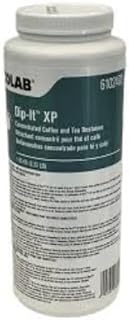
Best for tackling tough stains and oils on varied surfaces. The concentrated formula quickly penetrates coffee, tea, and food stains for a sparkling clean result. It also effectively removes rancid coffee oils and tannins that can dull aroma and flavor. Safe on plastic, china, and metal surfaces, making it versatile for kitchen and café-style setups. Choose this if you want a single, powerful cleaner for multiple surfaces and heavy buildup. Limitation: very concentrated product requires careful measurement for each use.
Dip-It Coffeemaker Cleaner, 7 oz (Pack of 2)

Best for regular descaling and ongoing maintenance in drip and single-serve machines. This formula is designed specifically for coffeemakers to remove buildup and keep flavors clean, ensuring great-tasting coffee with each brew. Choose this option if you want a straightforward routine cleaner integrated into weekly maintenance. Caution: follow recommended dosages to avoid over-foaming or residue in some machines.
Coffee Maker Cleaner (2 x 12 oz) — Bar Keepers Friend Store

Best for strong stain and residue removal on espresso machines, drip pots, and travel mugs. This cleaner is noted for effectively lifting oily residue, leaving carafes and pots free of deposits. For thorough cleaning, use Bar Keepers Friend Coffee Maker Descaler afterward. Choose this if you need a robust cleaner that handles tougher buildup across multiple vessel types. Limitation: some users may require additional rinsing to remove cleaner traces in certain models.
ACTIVE Coffee Descaler Descaling Solution — 32 oz

Best for heavy-duty descaling across a wide range of machines. The 32-ounce bottle provides value for households or offices with multiple coffee makers. It’s described as compatible with many models including Keurig, Nespresso, Breville, DeLonghi, Jura, Ninja, and more, and it targets calcium and scale buildup. Choose this if you want a single product that covers many brands and types. Caution: ensure proper dilution and follow usage instructions to prevent over-descaling in delicate machines.
Urnex Cleancaf Coffee Maker Cleaner — 3 Packets

Best for convenient, pre-measured cleaning cycles. Cleancaf eliminates residual coffee oils and buildup that can turn rancid and affect taste. It’s odorless and non-toxic, with three single-use treatments that align with an easy maintenance schedule. Choose this if you prefer precise, one-brew-clean packets over powders. Limitation: single-use packets may be less economical for large households compared to bulk powders.
Buying Guide: Key Considerations For Dip-It Coffee Maker Cleaners
What should you look for when choosing a cleaner? Consider the type of machine you own (drip, single-serve, espresso, or hybrid), the level of buildup you typically encounter, and whether you prefer powder, liquid, descaler, or pre-measured packets. Look for formulations that remove oils and tannins, not just mineral scale, to preserve aroma and flavor. Safety on your materials (plastic, metal, glass) and ease of use are important for daily or weekly routines. If possible, combine a cleaner with a descaler for complete maintenance, especially in hard water areas.
How to use these cleaners effectively? Most products require a prescribed amount per cleaning cycle, a full brew or soak period, and a thorough rinse to prevent any residue. Always follow the manufacturer’s directions for your specific model to avoid damaging seals or affecting performance. For multi-machine households, a versatile descaler that covers several brands can reduce clutter and simplify routine maintenance.
Maintenance strategy tips. Create a regular cleaning schedule: weekly for high-use machines and monthly for occasional brewers. Maintain water freshness by replacing filters if your machine uses them. Use cold rinse cycles when possible to remove lingering oils and ensure a cleaner taste. Consider pairing a cleaner with a dedicated descaler for a deeper clean and longer machine life.
FAQ
Q: Which cleaner is best for a Keurig system?
A: A product labeled as a descaler and cleaner compatible with Keurig systems, like the ACTIVE Descaler or the Dip-It variety designed for drip and single-serve machines, is typically a good fit. Always check the model compatibility.
Q: Can I use any cleaner on espresso machines?
A: Yes, but choose products specifically marked as safe for espresso machines and oil residue removal. Some cleaners are formulated for both drip and espresso machines, while others target only drip pots.
Q: Should I rinse after cleaning?
A: Rinsing is generally recommended unless the product instructions specify otherwise. A thorough rinse helps prevent any cleaner residue from impacting the next brew.
Q: How often should I descale an average household machine?
A: In areas with hard water, descaling every 1–3 months is common, while in softer water conditions, every 3–6 months may suffice. Adjust based on usage and taste changes.
Q: Are these cleaners safe for plastic components?
A: Most cleaners list safe use on plastics, but verify the product’s surface compatibility with your machine’s manuals to avoid any discoloration or damage.