Answering the need for a safe and effective lint-removal solution, these compressed-air dryer vent cleaning tools are designed to improve airflow, reduce fire risk, and save energy. They’re best for homeowners who want a DIY approach to vent cleaning, maintenance professionals seeking versatile kits, and anyone dealing with slow-drying laundry or visible lint buildup. The following selections emphasize compatibility, ease of use, and rugged construction to handle common vent sizes and bends.
Summary Table (Top 5 Picks)
- GASHER 23 Feet Home Dryer Vent Duct Cleaning Kit — Flexible, durable hose with jet head for deep cleaning.
- HeliumX Air Dryer Vent Cleaner Kit — No snapping joints; high-velocity air cleaning for thorough results.
- Sealegend 58-Pieces 35-Feet Dryer Vent Cleaner Kit — Comprehensive set with multiple adapters and attachments.
- Holikme 15 Feet Dryer Vent Cleaner Kit — All-in-one kit with drill attachment for deep, long reach.
- SWKTPP 4 Pieces Dryer Vent Cleaner Kit — Multi-purpose brush and flexible toolset for lint traps and vents.
GASHER 23-Foot Vent Cleaning Kit
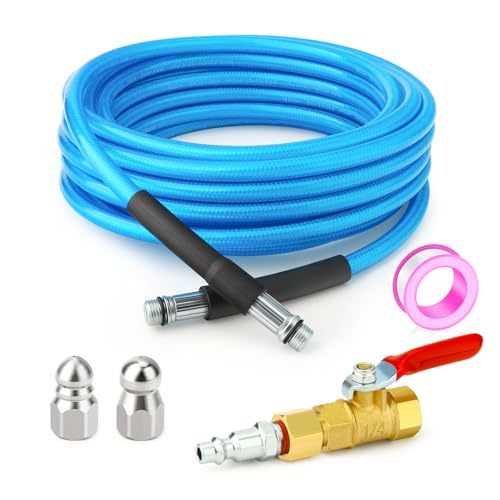
What it is: A dedicated dryer vent cleaning kit featuring a 23-foot flexible hose, two jet nozzles, and 1/4″ NPT fittings. Best for: homeowners with long, straight runs or difficult-to-reach ducts who want a straightforward setup and robust hose life. Why selected: Durable construction and a comprehensive set of components support deep-cleaning sessions that reduce lint buildup and energy waste.
Why it’s recommended: The thickened hose is designed to endure high pressure while staying flexible and kink-free, allowing cleaner movement through bends. The included jet heads provide direct air bursts to dislodge stubborn lint. A caution: ensure your compressor can safely deliver 90 PSI or higher and wear a dust mask during operation to control airborne particles.
PetOde 2-Piece Dryer Vent Cleaner Kit

What it is: A two-piece kit with a universal connector compatible with most vacuums, plus a lint-removal brush. Best for: renters or small-space homeowners who want versatile attachment compatibility and simple setup. Why selected: Its universal connector helps bridge gaps between different vacuum brands, expanding cleaning options beyond dedicated vent tools.
Why it’s recommended: The thinner outer profile may help reach narrower gaps in some vents, and the included lint brush doubles as a cleaning tool for other appliances. Caution: dependent on vacuum suction, some models may not seal perfectly, which can reduce airflow effectiveness in hard-to-clean ducts.
Professional Duct Cleaning Reverse Air Skipper Ball

What it is: A skipper ball tool with 12 holes and a 1/8″ male plug designed for both duct and dryer vent cleaning. Best for: technicians needing a reverse-air mechanism to pull debris toward the operator for controlled cleaning. Why selected: Dual-use capability supports air duct and vent cleaning alike, offering flexibility for complex systems.
Why it’s recommended: The reverse-air feature helps control debris flow, reducing hidden buildup. Caution: this tool relies on compatible air pressure and may require pairing with other attachments for best results on tight corners.
Air Dryer Vent Cleaner Kit by HeliumX

What it is: A high-pressure, no-snag vent cleaning kit with a 23-foot hose and jet nozzles. Best for: users who want a robust composite system that minimizes joint failure and maximizes lint removal. Why selected: No snapping joints and a focus on air-driven cleaning make it safer for long runs and tight spaces.
Why it’s recommended: It eliminates intruding joints that can detach and fall into the duct, offering reliability for long cleaning sessions. Caution: the kit relies on high-velocity air, so follow safety guidelines to avoid injury or damage to delicate duct components.
Sealegend 58-Pieces 35-Feet Kit
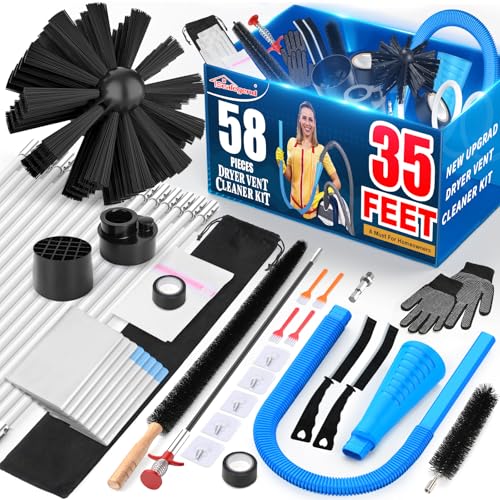
What it is: A comprehensive dryer vent cleaning kit with 35 feet of rods, multiple attachments, and vacuum adapters. Best for: homeowners with long runs and complex vent networks who want a full suite of tools in one purchase. Why selected: The broad accessory set supports deep cleaning, rotary scrubbing, and vent-adapter versatility.
Why it’s recommended: The included adapters enable using the air from a clothes dryer, shop vacuum, or electric blower, providing a multi-source cleaning approach. Caution: the assortment is large, which may require organization for quick use on repeat jobs.
Holikme 15-Foot Dryer Vent Kit

What it is: A 15-foot kit with a synthetic brush head and drill-friendly connector for deep cleaning. Best for: buyers who already own a drill and want to extend its use to vent maintenance. Why selected: The kit’s compatibility with standard drills makes it accessible for many households and small professional setups.
Why it’s recommended: The drill-attachment feature enables high-torque cleaning to break up stubborn lint. Caution: synthetic brush heads may wear over time; inspect for fraying after heavy use to prevent shedding into the vent.
Buying Guide: Key Considerations for Compressed-Air Dryer Vent Cleaning Tools
- Vent compatibility: Confirm duct size, bend complexity, and whether attachments fit your dryer’s exhaust port and your vacuum or compressor connections.
- Air pressure and flow: Higher PSI can improve lint removal but may stress delicate ducts. Match tools to your safety rating and equipment capacity.
- Reach and flexibility: Longer hoses and flexible rods help access difficult corners; consider a kit with extendable options if you have multi-section runs.
- Tool versatility: A multi-tool or kit with adapters supports various cleaning tasks beyond the vent, such as lint traps or coils.
- Safety features: Look for items that minimize loose components, snag-free joints, and included protective gear to reduce exposure to dust and lint.
Buying considerations in practice: Decide between a purpose-built vent kit (tight focus on ducts) and a multi-purpose cleaning set (broader appliance use). For long, winding vents, prioritize kits with long hoses and reliable nozzles. If you own a power drill, a kit that includes a drill attachment can save time and reduce tool-swapping. Safety should guide every choice—wear a mask, work with the power off, and verify that your air source and fittings are compatible with the tool you select.
Frequently Asked Questions
- What is the safest way to clean a dryer vent with compressed air?
Always turn off the dryer and disconnect power. Use protective gear, and follow the kit’s instructions to avoid kinking or forcing debris deeper into the duct.
- Can I use a standard vacuum for dryer vent cleaning?
Yes, many kits include a vacuum attachment or universal connector to pair with common vacuums. Ensure the vacuum is clean and free of lint to prevent overheating.
- Do I need to remove the vent outside the house before cleaning?
In most cases, you can clean from the dryer side, but if you observe a persistent clog or if lint is visible at the exterior vent, cleaning from both ends is advisable.
- How often should dryer vents be cleaned?
General guidance suggests at least once per year for average households; more frequent cleaning may be needed for homes with pets, high lint production, or long vent runs.
- Are compressed-air tools better than rotating brush kits?
Air-driven tools can dislodge stubborn lint more effectively in some ducts, while brush systems excel in physically scrubbing exposed lint. The best choice depends on vent design and user comfort.
- What should I do if lint keeps accumulating despite cleaning?
Inspect for vent restrictions, improper duct sizing, or improper installation. Consider professional inspection if the problem recurs after cleaning.