Choosing eco friendly cleaning materials helps reduce plastic waste, minimize toxic chemicals, and support sustainable manufacturing. This guide features a curated set of plant-based sponges, biodegradable dish brushes, and refillable cleaners designed for American households. Each product emphasizes renewable materials, durability, and responsible packaging. Explore practical, low-impact options that perform well on everyday cleaning tasks without compromising effectiveness.
| Product | Brand | Key Benefit |
|---|---|---|
| 12 Pack Natural Kitchen Sponges | Silkyhose | Biodegradable cellulose with coconut fiber; quick-dry; ergonomic S-shape grip |
| Isshah Plant-Based Kitchen Sponges | Isshah | Sisal hemp fibers with wood celluose; FSC certified; durable and scratch-free |
| Jungle Culture 6 Piece Dish Brush Set | Jungle Culture | Plant based bamboo handles; coconut fiber scrubbers; bottle brush included |
| BLUELAND Multi-surface Cleaner Starter Set | BLUELAND | Plastic-free tablets; refillable bottle; all-purpose cleaning |
| Aheroi Natural Dish Sponge (18 Count) | Aheroi | Wood pulp and coconut fiber; compostable; recycled packaging |
12 Pack Natural Kitchen Sponges
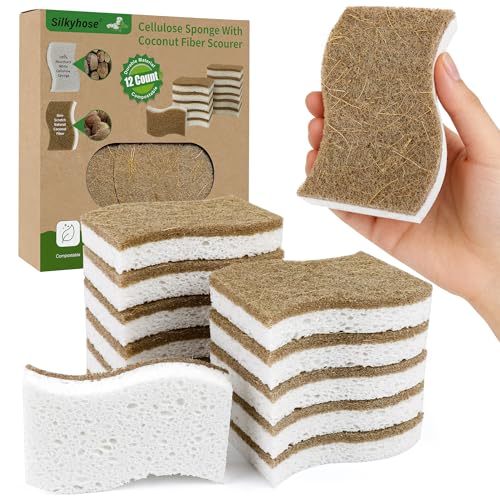
The Silkyhose kitchen sponges combine biodegradable white cellulose with coconut fiber scrubbers, offering an eco-friendly option for dishes, pots, and pans. The porous structure helps them dry quickly, reducing odor and bacterial growth. Their ergonomic S-shaped design provides a secure grip during cleaning tasks. These sponges are designed for repeated use with minimal environmental impact, aligning with sustainable kitchen habits.
Isshah Plant-Based Kitchen Sponges

Isshah sponges fuse wood cellulose with natural sisal hemp fibers and coconut husk to create a sustainable, eco-friendly cleaning tool. The sisal hemp fibers tackle grease effectively without scratching delicate surfaces. Built for long-lasting durability, these sponges are designed to withstand repeated use while remaining gentle on cookware and appliances. The FSC certification underscores responsible sourcing and environmental stewardship.
Jungle Culture Dish Brush Set

The Jungle Culture set offers a complete, plant-based solution for washing dishes. The kit includes palm brushes, bottle brush heads, and a natural scourer sponge, all constructed from sustainable wood, sisal, and coconut husk fibers. Ergonomically designed for comfortable use, these tools provide effective cleaning while reducing plastic waste and supporting a circular economy through replacement heads and durable construction.
BLUELAND Multi-surface Cleaner Starter Set

BLUELAND offers a refillable cleaning system with 100% plastic-free tablets that dissolve in water to create a multi-surface cleaner. The kit includes a reusable spray bottle and four refill tablets, designed to minimize plastic waste and storage space. The tablets are individually tested for performance, providing a safe, effective option for kitchens, countertops, stone, wood, and more.
Aheroi Natural Dish Sponge (18 Count)

Aheroi’s 18-pack combines renewable wood cellulose with coconut fibers in a dual-layer design that absorbs efficiently and scrubs away residue. The product emphasizes compostability and recyclable packaging, supporting end-of-life disposal in home or industrial composting streams. The thicker scrubbing surface improves cleaning performance while preserving non-stick coatings and glassware.
Buying Guide
Key purchase considerations to help you choose the right eco friendly cleaning materials:
- Material composition: Look for boards and strings made from renewable resources like cellulose, coconut fiber, sisal, or bamboo. Avoid blends with unnecessary plastic components.
- Durability vs. compostability: Balance long-lasting performance with end-of-life disposal. Some products are designed to be durable and reusable, while others are fully compostable after use.
- Uses and surfaces: Ensure the product suits your cleaning tasks—dishes, cookware, countertops, bathrooms, or specialty surfaces like non-stick coatings or glass.
- Packaging and waste: Favor brands with recyclable or recycled packaging and refillable formats to minimize waste.
- Certifications: FSC, compostability labels, and cruelty-free or plant-based claims can help verify sustainability commitments.
- Safety and non-toxicity: Prioritize non-toxic ingredients and materials safe for households with children or pets.
- Cost-per-use: Consider the number of uses and the potential savings from fewer replacements or refills over time.
- Maintenance: Some sponges require specific activation or drying practices to maximize lifespan; follow manufacturer guidance for best results.
- Repairability and replacement parts: Bristle or head replacements for brushes extend product life and reduce waste.
- All-in-one vs. specialty sets: Multi-surface cleaners simplify routines, while targeted tools (like bottle brushes) reduce the need for multiple items.