Choosing an eco friendly laundry ball can cut down on chemicals, save energy, and help protect fabrics. This guide highlights five options that deliver effective cleaning while reducing waste and environmental impact. Each product uses natural or mineral-based materials to replace traditional detergents and chemical softeners, offering a practical path to greener laundry routines.
Overview of selected products
| Product | Brand | Key Benefit |
|---|---|---|
| SmartKlean Non-Detergent Laundry Ball | SmartKlean | Mineral-based, no soap; gentle on skin |
| BERON Eco-Friendly Wash Ball (Set of 2) | BERON | Natural mineral composition; reduces scale and odors |
| BERON All Natural Laundry Detergent Alternative | BERON | Detergent-free washing with mineral spheres |
| Handy Laundry Wool Dryer Balls | Handy Laundry | Natural fabric softener; reduces wrinkles and dry time |
| Homestead Houseware XL Wool Dryer Balls | Homestead Houseware | 100% New Zealand wool; parchment-soft fabrics, faster drying |
SmartKlean Non-Detergent Laundry Ball

Features emphasize a mineral-based cleaning system capable of handling 365 loads without soap or detergent. This option is designed to be gentle on skin, reducing irritation for babies and those with sensitive conditions, while maintaining fabric color and softness. It is compatible with top loaders, front loaders, and HE machines, and is septic-safe, leaving no detergent residue on fabrics.
BERON Eco-Friendly Wash Ball Set

Set of two wash balls designed from pure natural mineral and TPE materials. The units are allergen-free and intended for up to 1500 washings, offering a gentle option compatible with any washing machine. They help reduce scale, rust, and lime buildup while addressing odors and oil stains on various fabrics.
BERON All Natural Laundry Detergent Alternative
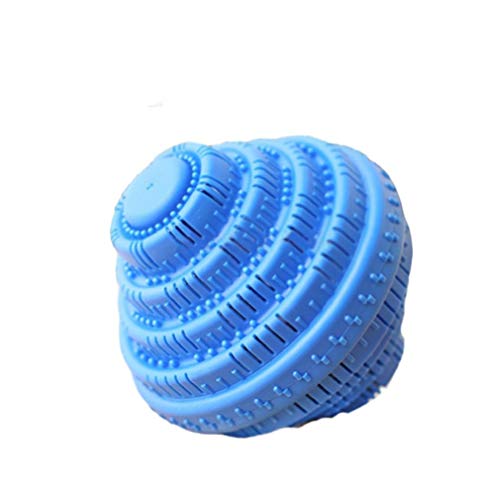
Another BERON option, this all-natural solution uses mineral-based spheres to enable 1500 washings with no traditional detergents. The deep blue product is described as hypo-allergenic and suitable for sensitive skin. It aims to reduce scale, rust, and odors, delivering a detergent-free washing experience across various fabrics.
Handy Laundry Wool Dryer Balls

Made from 100% New Zealand wool, these large, tightly rolled dryer balls provide a natural fabric softener alternative without synthetic fillers. Their felting process ensures durability for many loads, while improving airflow in the dryer to reduce wrinkles and cut drying times.
Homestead Houseware XL Wool Dryer Balls

These 100% New Zealand wool dryer balls are designed to act as a natural fabric softener and static reducer. They are fragrance-free and hypoallergenic, making them suitable for sensitive fabrics and skin. Large, extra-long balls lift and separate laundry to improve airflow, potentially reducing drying time and energy use.
Buying Guide: Key Considerations When Choosing Eco Friendly Laundry Balls
Materials and composition: Look for products made from natural wool or mineral-based spheres without synthetic fillers. Wool dryer balls are excellent for softening fabrics and reducing wrinkles, while mineral-based balls advertise detergents-free cleaning. Confirm that the materials are labeled hypoallergenic if you have sensitive skin.
Durability and wash count: Check claimed wash counts (for example, up to 1500 or 2000 washes). Higher counts return better long-term value, but ensure the product demonstrates sustainable performance across cycles and loads.
Compatibility: Ensure the product is suitable for your washing machine type (top loader, front loader, or HE). Some solutions claim universal compatibility, while others may be optimized for specific machines.
Cleaning performance vs. fabric care: Eco friendly options often prioritize fabric protection and odor reduction, but actual stain removal may rely on washing conditions and water temperature. Consider whether you want a strictly detergent-free approach or a detergent-alternative option that still supports cleaning power.
Drying impact: For dryer balls, assess claims about reducing drying time and energy usage. Proper load size and dryer heat settings influence outcomes, so match expectations with typical laundry habits.
Allergen and skin sensitivity: If sensitive skin is a concern, verify hypoallergenic labeling and absence of fragrances. This is especially important for baby clothes and delicate fabrics.
Cost and lifespan: Compare upfront costs with expected lifespan and replacement cadence. A higher initial price may still yield long-term savings through repeated reuse and lower chemical purchases.
Brand reliability and certifications: Consider brands with clear product details, warranties, and transparent materials sourcing. Certifications or third-party testing can reinforce product claims about safety and environmental impact.