Answer: For reliable waterproof sealing and electrical insulation, choose self-fusing silicone or butyl rubber tapes that bond to themselves without adhesive. These tapes are ideal for emergency repairs, outdoor exposure, and high-heat environments. This guide highlights five top options and explains who each is best for, based on material, temperature tolerance, and durability.
Best use cases include emergency hose and pipe repairs, outdoor wiring, automotive fixes, and weatherproofing electrical joints. The following table summarizes the five selected products, focusing on core strengths and ideal applications.
| Product | Material | Best For | Key Benefit |
|---|---|---|---|
| Maxwel Self Amalgamating Tape | EPR Rubber | General waterproof sealing, high-voltage insulation | Self-fusing, weatherproof seal |
| EAGLEWATCH Butyl Tape | Butyl rubber | Outdoor joints, pipes, outdoor weather conditions | IP67 seal, 35kV insulation |
| XFasten Self Fusing Silicone Tape | Silicone rubber | Plumbing, hoses, electrical cables | High heat resistance, water/air tight |
| arvyne Silicone Tape | Silicone rubber | Emergency repairs, electrical insulation | Strong bond, broad temp range |
| X-Treme Tape MOCAP | Silicone rubber | Automotive, outdoor repairs | Wide temp range, durable seal |
Maxwel Manufacturing Self Amalgamating Tape

Material: EPR Rubber. This tape provides a complete waterproof and weatherproof seal. Width is 19mm with a thickness of 0.76mm and a length of 9.1m. It is rated for high voltage up to 35kV and temperatures up to 176°F. Best for general waterproof sealing and insulation tasks where a self-fusing, adhesive-free seal is desired. Suitable for electrical work in controlled outdoor settings. A potential limitation is that it may require careful handling to ensure a clean, wrinkle-free wrap for best performance.
Best for: General waterproof insulation and high-voltage damp environments where a self-fusing, clean seal is preferred. Choose this if you need a simple, adhesive-free wrap that seals quickly and resists weather.
Limitations: It may not be ideal where ultra-flexible conforms are needed around very irregular shapes without proper wrapping technique.
EAGLEWATCH Butyl Rubber Self-Fusing Tape

Material: Butyl rubber. This 4-roll set delivers IP67 waterproof sealing and 35kV insulation, suitable for outdoor electrical joints, snow-plow wiring, and hot water pipe repairs. It withstands -4°F to 194°F, offering UV/ozone resistance for long-term outdoor use. Self-fusing action bonds to itself within seconds, leaving no adhesive residue. A limitation is that extreme temperatures beyond the stated range may compromise seal integrity if not applied correctly.
Best for: Outdoor electrical joints and plumbing where a robust, weatherproof seal is essential. Choose this for environments with wide temperature swings and exposure to moisture.
Limitations: Requires a clean, dry surface for best self-fusing results; improper prep can reduce effectiveness.
XFasten Self Fusing Silicone Tape
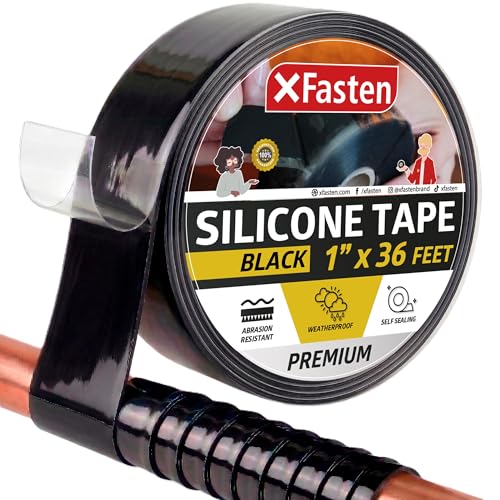
Material: Silicone rubber. This tape is self-fusing, waterproof, and rated to resist heat, solvents, and chemicals. It does not melt up to 260°C (500°F), making it suitable for emergency repairs in automotive, plumbing, marine, hose, and electrical applications. It meets UL 510 standards and ISO 9001 for industrial sealing. A possible drawback is that it may be more expensive than basic tapes depending on the project.
Best for: High-heat and high-stress repairs where a silicone seal is required across multiple use cases, including plumbing and electrical insulation.
Limitations: Higher cost and potential overkill for simple, low-stress fixes.
arvyne Self-Fusing Silicone Tape
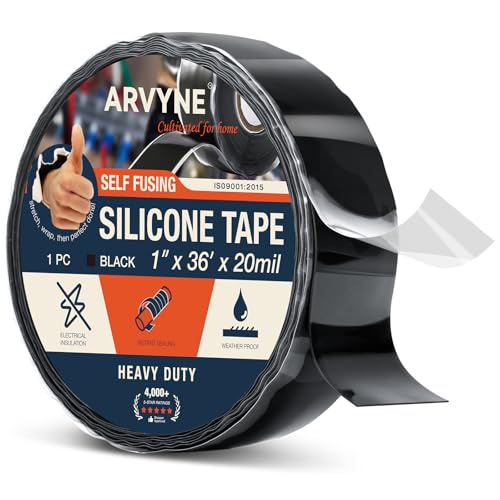
Material: Silicone rubber. This self-bonding tape forms a permanent seal with no adhesive and offers a broad operating temperature range from -76°F to 392°F. It insulation withstands up to 8,000 volts per layer and provides high tensile strength (≥950 PSI) and good durability for rugged environments. For electrical or outdoor uses, it is a solid all-around option. A limitation is that bonding strength can vary with surface contamination; clean prep improves results.
Best for: Emergency repairs requiring reliable insulation and a strong, residue-free seal in extreme temperatures.
X-Treme Tape MOCAP Self-Fusing Silicone Tape

Material: Silicone rubber. The MOCAP version provides a self-bonding seal that is waterproof and airtight, designed for long-lasting performance in automotive, outdoor, and industrial settings. It endures a wide temperature range from -80°F to 500°F and resists moisture, UV exposure, and wear. It is versatile for sealing wires, hoses, and other connectors. A potential limitation is that the seal strength depends on proper wrapping technique to avoid gaps.
Best for: Heavy-duty outdoor repairs and high-temperature applications where a silicone, self-fusing tape offers lasting protection.
CLAVICHORD Seal Self Fusing Silicone Tape

Material: Silicone tape in black, 1 inch wide and 15 feet long. It offers weather resistance, high-temperature capability, and chemical resistance. Provides insulation up to 8,000 volts per layer and is advertised as waterproof for pipeline sealing and leak stoppage. A limitation is that performance depends on clean, dry surfaces; surface contamination can hinder bonding.
Buying Guide
- What material should I choose? Silicone tapes excel in high heat and chemical resistance; butyl rubber tapes are excellent for outdoor exposure and flexible joints; EPR rubber offers general waterproof sealing with high voltage tolerance.
- How important is temperature range? For automotive, engine bays, or outdoor use, select tapes rated well below and above ambient temperatures you expect; this reduces failure risk.
- Do I need self-fusing or adhesive-backed? Self-fusing tapes require no adhesive and are clean to apply; adhesive-backed tapes are easier for quick field patches but may leave residue.
- Is electrical insulation a priority? If so, look for tapes rated to handle kilovolt ranges and comply with standard tests (UL/ISO certifications mentioned in product specs).
- Surface prep matters. Ensure the area is dry, clean, and free of oils or dirt to maximize bond and seal quality.
Frequently Asked Questions
- Q: Do self-fusing tapes leave a sticky residue? A: No, self-fusing silicone tapes fuse to themselves without adhesive and typically do not leave residue.
- Q: Can these tapes be used indoors and outdoors? A: Yes, most are designed for both; check specific IP ratings and UV resistance for outdoor use.
- Q: How long does it take for a seal to form? A: Self-fusing tapes typically seal within seconds to a few minutes, depending on surface conformity.
- Q: Are these tapes suitable for high-voltage electrical work? A: Many options are rated to withstand tens of kilovolts per layer; verify each product’s voltage rating for your application.
- Q: Can I use these on leaking water pipes? A: Some tapes are designed for water exposure and pipe leaks; ensure the tape’s waterproof rating meets your needs.
- Q: What is the best tape for emergency roadside repairs? A: Silicone self-fusing tapes with high heat and weather resistance are often preferred for quick, durable fixes.