Yes—outdoor electrical tape exists for weatherproofing, insulation, and durable repairs. This guide helps American buyers pick the best outdoor tapes for wiring, harnesses, and temporary fixes. It targets homeowners, DIY enthusiasts, and professionals who need reliable insulation in wet, sunny, or variable conditions. The top options below are selected for strong adhesion, UV resistance, and temperature tolerance. A quick summary table follows the intro to compare key traits at a glance.
| Product | Best For | Key Benefit |
|---|---|---|
| Scotch Vinyl 700 | General outdoor splices | High flexibility and 194°F rating |
| 3M Scotch Super 33+ | All-weather, heavy-use wraps | Premium durability and UV resistance |
| Avery Dennison Electrical Tape | Long-term outdoor installations | Excellent weather and chemical resistance |
| Scotch Vinyl Electrical Tape Super 88 | All-season outdoor protection | Thicker, heavy-duty insulation |
| SNHOHIAK 10 Pack | Bulk outdoor projects | Multiple pieces, good weatherproofing |
Scotch Vinyl 700 Electrical Tape, 1 Roll
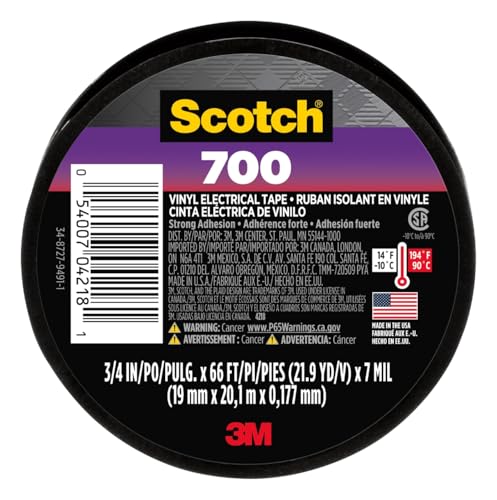
Brand: Scotch. This general-purpose, commercial-grade vinyl tape is rated for temperatures up to 194°F and offers high flexibility for conforming to irregular shapes. It provides primary electrical insulation for splices up to 600 volts and protective jacketing for high-voltage applications. Best for: light outdoor splices and temporary repairs where moisture exposure is present but not extreme. Limitation: not the heaviest-duty option for long-term outdoor exposure in harsh environments.
3M Scotch Super 33+ Electrical Tape

Brand: 3M. This premium-grade, all-weather vinyl tape is built for above/below grade use, indoor/outdoor exposure, and both low and high voltage situations. It delivers a reliable insulation layer for splices up to 600V and withstands UV exposure, abrasion, and corrosion. Best for: outdoor wiring projects that require long-term reliability and resistance to environmental stress. Limitation: higher price relative to basic tapes, though performance supports the cost for critical outdoor jobs.
Avery Dennison Electrical Tape, General Use

Brand: Avery Dennison. A robust general-use PVC insulating tape offering strong adhesion and weather resistance from 32 to 176 degrees Fahrenheit. It protects against moisture, heat, and chemicals while maintaining flexibility to fit different wire shapes. Best for: outdoor repairs that require durable sealing and resistance to exposure. Limitation: not explicitly stated for ultra-high heat beyond typical outdoor conditions.
Scotch 3M 700 Electrical Tape

Brand: Scotch. This tape provides primary electrical insulation for splices up to 600V and protective jacketing for high-voltage splices and repairs. It is designed for both indoor and outdoor use and offers reliable performance in variable conditions. Best for: straightforward outdoor splices where dependable insulation matters. Limitation: similar to other general-purpose tapes, may not be ideal for extreme outdoor environments over extended periods without reapplication.
SNHOHIAK 10 Pack Black Electrical Tape

Brand: SNHOHIAK. This bulk set includes ten pieces of black electrical tape, each 60 feet by 3/4 inch. It claims flame retardance, UV resistance, and waterproofing, making it suitable for diverse weather conditions and multiple outdoor projects. Best for: bulk outdoor projects or temporary repairs where multiple patches are needed. Limitation: mixed data on long-term durability; check application needs before deployment in extreme heat.
Buying Guide: Outdoor Electrical Tape Essentials
What should you look for when choosing outdoor electrical tape? The most important factors include temperature rating, weather resistance, insulation capability, and adhesive strength. For outdoor applications, you want tapes with UV resistance, waterproofing, and the ability to conform to curved surfaces. Here are practical questions and answers to help decide:
- What temperature range do you expect the tape to withstand? For outdoor wiring exposed to sun or heat, choose tapes rated above 176°F (80°C) for Reliance in hot environments. Some options reach near 221°F (105°C) or higher.
- Will the tape face moisture or rain? Look for waterproof or moisture-resistant formulations designed for outdoor use and direct exposure to weather.
- Is UV resistance important? UV-stable tapes resist degradation from sun exposure, extending the life of outdoor installations.
- What kind of surfaces will you wrap? For irregular shapes or textured surfaces, a highly conformable tape will wrap smoothly without gaps.
- Do you need high voltage insulation or just quick fixes? For primary insulation up to 600V, ensure the tape lists voltage ratings and insulation properties.
Tips for Best Results
- Clean and dry the surface before wrapping to maximize adhesion.
- Stretch the tape evenly as you apply to avoid air pockets and gaps.
- Wrap overlaps slightly to ensure consistent insulation throughout the seam.
- Avoid stretching too aggressively on delicate insulation to prevent tearing.
Common Scenarios
- Temporary outdoor splices on exposed wires: Scotch 700 or Scotch Super 33+ provide solid insulation and protection.
- Long-term outdoor conduit or cable runs: Avery Dennison and 3M Super 33+ offer strong weather and UV resistance.
- Bulk projects at a workshop or job site: SNHOHIAK’s 10-pack provides cost-effective coverage for multiple tasks.
FAQ
- Q: Can I use indoor electrical tape outdoors? A: It is generally not recommended for extended outdoor exposure due to UV and moisture sensitivity. Choose tapes rated for outdoor use, UV resistance, and water resistance.
- Q: How long does outdoor tape insulation typically last? A: Longevity depends on weather exposure, temperature, and surface. Tapes designed for outdoor use with UV resistance tend to last longer than indoor-only tapes.
- Q: Is thicker tape better for outdoor insulation? A: Thicker tapes can provide stronger insulation and durability for heavy-duty or high-voltage applications, but conformability and proper application are also essential.
- Q: Can I rely on tape for high-voltage splices? A: Yes, but ensure the tape is rated for the voltage in use (e.g., up to 600V) and follow safe electrical practices.
- Q: Should I remove and reapply tape after a season? A: For outdoor setups exposed to harsh conditions, inspect periodically and rewrap as needed to maintain seal and insulation.
- Q: Do these tapes comply with electrical codes? A: Most high-quality outdoor tapes are designed to meet standard insulation and weather resistance requirements, but always verify local code compatibility for critical installations.