Found the right fabric seam sealer tape to fix tents, jackets, or rain gear? This guide highlights five top options, each chosen for durable adhesion, waterproof performance, and easy iron-on application. Ideal for outdoor enthusiasts, campers, hikers, and DIY repairers seeking reliable, long-lasting seams. The table below compares key details to help you pick quickly.
| Product | Best For | Width | Length |
|---|---|---|---|
| Xelsluthe Seam Tape | General outdoor gear and rainwear | 2 cm | 65 ft |
| AHANDMAKER Waterproof Seam Tape | Jackets and clothing repairs | 0.79 in | 45.9 ft |
| Ech.Apr TPU Seam Sealing Tape | Seams on tents and outdoor gear | 0.79 in | 10.94 yd |
| XIWENQUKU Seam Tape | PU-coated fabrics and waterproof gear | 0.78 in | 65 ft |
| Tent Seam Tape by VIKROM | Tents, rain gear, outdoor fabrics |
Xelsluthe Seam Tape, 65′ Iron on Hot Melt Seam Sealing Tape

Best for: outdoor gear repairs and tent seam sealing. This tape uses a premium PVC+PU composite for waterproof, flexible sealing that resists hydrolysis and environmental wear. It bonds strongly to waterproof fabrics, metals, plastics, and wood when activated by heat, providing durable seams across temperature changes.
Why chosen: The tape’s clear, 2 cm width suits many seam sizes, and the iron-on activation is straightforward for at-home repairs. It remains flexible after sealing, which helps prevent re-tears under movement or flexing typical of tents and rain gear.
Limitations: Requires an iron or heat press to activate; surface preparation and even heat distribution are important for best results. Not ideal for non-iron-on fabrics without compatible heat equipment.
AHANDMAKER Waterproof Seam Tape for Jackets

Best for: repairing jackets and clothing where a robust, flexible seam is needed. This flat TPU cloth tape is durable, stretchable, and water-resistant, designed for multiple clothing repairs with a simple iron-on process.
Why chosen: The 0.79″ width provides a strong seal on larger seam allowances common in outerwear. The tape is long enough for several repairs, making it cost-effective for frequent patching. The fabric’s flat profile helps keep repairs discreet on garments.
Caution: When using an iron, ensure you apply medium heat and consider placing paper or cloth over the tape to protect delicate fabrics and achieve even adhesion. Works best on PU-coated or similar fabrics; test on a small area first if possible.
Ech.Apr TPU Seam Sealing Tape

Best for: sealing sewn seams on tents, outdoor apparel, and waterproof footwear. This tape uses a three-layer construction—nylon/polyester mesh, TPU waterproof membrane, and hot-melt adhesive—for strong adhesion and durability in wet environments.
Why chosen: Superior waterproofing is the key benefit, helping keep moisture out of seams during rain, snow, or damp conditions. It’s a versatile option for gear exposed to the elements, including tents and jackets needing reliable seam protection.
Limitation: Similar to other heat-activated tapes, performance depends on proper heat application and pressure; insufficient heat can lead to incomplete seals. Test on a small seam first to calibrate heat and timing.
XIWENQUKU Seam Tape, 65′ Iron On
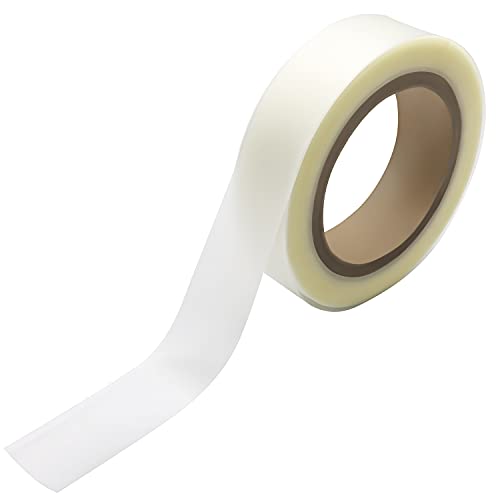
Best for: PU-coated fabrics and breathable waterproof fabrics used in outdoor wear and gear. The tape remains soft and flexible after application, with durable waterproof performance suitable for rainwear and tents.
Why chosen: The wide support for polyurethane-coated textiles makes it a reliable choice for fabrics that require a flexible, long-lasting seal. The clear or light-colored appearance helps conceal repairs on visible seams.
Limitation: Requires compatible heat-activation methods and careful alignment; misaligned seams may require reapplication for a clean seal.
VIKROM Tent Seam Tape, Heavy Duty 65 Ft
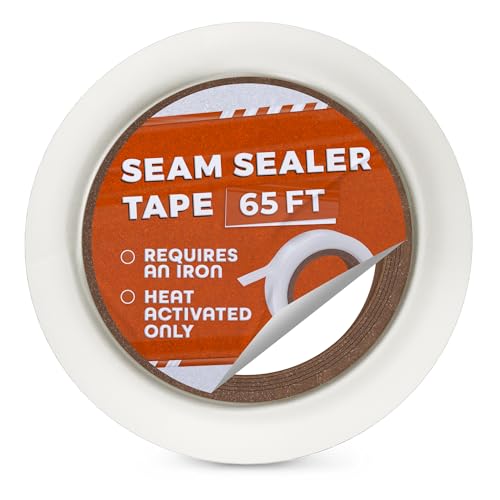
Best for: tents, rain gear, RV covers, and outdoor fabrics needing quick, durable seam sealing. This white, heavy-duty heat-activated tape turns clear after ironing, helping maintain a neat appearance.
Why chosen: This tape emphasizes long seams and outdoor fabric compatibility, providing a robust option for field repairs during camping trips or expeditions. It’s especially useful for larger seams that require an extended, continuous seal.
Limitation: Requires a steady hand and even heat for best results; overlapping or wrinkled seams can affect adhesive performance. Test on a small seam before proceeding with larger repairs.
Buying Guide: How to Choose the Right Fabric Seam Sealer Tape
- Fabric compatibility: Check whether the tape is designed for PU-coated, nylon, polyester, or canvas fabrics to ensure a secure bond without stiffening or peeling.
- Adhesive type and activation: Decide between heat-activated tapes (iron-on or heat press) and self-adhesive options. Heat activation typically offers stronger seals on outdoor gear.
- Width and length: Wider tapes cover larger seams; longer rolls help with multiple repairs on tents or jackets.
- Waterproof performance: For gear exposed to rain or snow, prioritize tapes with TPU or waterproof membrane layers for durable moisture resistance.
- Application tools: Ensure you have an iron, heat press, or suitable heat source; some surfaces benefit from protective paper or cloth during bonding.
- Aesthetic result: Clear or light-colored tapes can blend with most fabrics, making repairs less noticeable on outerwear or tents.
- Durability and flexibility: Look for tapes that remain flexible after sealing to accommodate fabric movement without cracking.
FAQ
- What is fabric seam sealer tape best for? It is best for repairing seams on tents, jackets, rain gear, and outdoor fabrics to create waterproof seals.
- How do I apply heat-activated seam tape? Place the tape on the clean fabric seam, cover with protective paper or cloth, apply medium heat with an iron or heat press for several seconds, and apply pressure until cool.
- Can seam tape fix all fabric types? Not all tapes work on every fabric; check fabric compatibility (PU-coated, nylon, polyester, etc.) before use.
- Is clear tape better for concealment? Clear or transparent tapes blend more easily with many fabrics, especially light-colored gear.
- Will tape peel over time? Proper surface preparation and even heat application reduce peeling; avoid overstretching or overloading the repaired seam with tension.
- Do I need protective paper during sealing? Yes, protective paper or cloth helps prevent unintended sticking and improves bond quality on delicate fabrics.