If you want an easy way to remove waste and keep water clear, a fish poop cleaner machine is the right tool. These devices range from simple gravel siphons to electric cleaners that handle water changes and filtration. This guide highlights five top options suited for different buyers—from beginners to seasoned aquarists. Each product is evaluated for ease of use, effectiveness, and suitability for common tank sizes.
| Product | Brand | Best For | Tank Size | Notes |
|---|---|---|---|---|
| LONDAFISH Aquarium Stool Cleaner | LONDAFISH | Inside-tank waste removal with air-pump assist | 80–100 cm tanks | Best for closed behavior with air pump; be mindful of fry. |
| Tetra Water Cleaner Gravel Siphon | Tetra | Simple, reliable gravel cleaning | Up to 55 gallons | Great for routine water changes. |
| QZQ Aquarium Gravel Cleaner 2026 | QZQ | Multi-function cleaning with no electricity | Various | Includes siphon, algae scraping, and water changes. |
| UPETTOOLS Aquarium Gravel Cleaner | UPETTOOLS | Electric, 6-in-1 cleaning | Various depths | High flow, adjustable valve, versatile. |
| hygger 360GPH Electric Gravel Cleaner | hygger | Automatic cleaning with 4-in-1 functions | Medium to large tanks | High head height for rapid water changes. |
Note: This table summarizes basic suitability. For more detailed comparisons, read each product section below.
LONDAFISH Aquarium Stool Cleaner

Best for hobbyists with 80–100 cm tanks who want a built-in waste collector. This inside-tank device uses an air pump to purify water by storing manure and debris in an intermediate chamber before returning cleaner water to the tank. It is easy to use: attach to an air pump, place at the bottom of the aquarium, and lift out the middle compartment when full. A key limitation is potential suction of fry or very small fish; monitor use when stocking tiny species.
Why choose this
- Inside-tank operation helps maintain water quality without complex plumbing.
- Simple plug-and-use connection to an air pump.
Tetra Water Cleaner Gravel Siphon
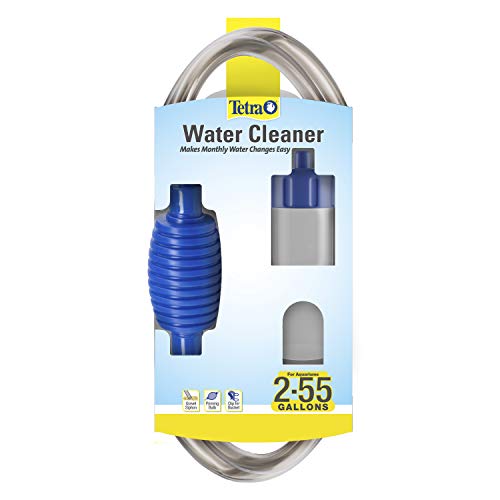
Best for small to mid-sized freshwater setups needing straightforward gravel cleaning. Compatible with aquariums up to 55 gallons, it makes monthly water changes easier by enabling quick removal of 30% of water within about 30 minutes. This option is ideal for beginners or users who want a reliable manual siphon without extra features.
Why choose this
- Low-tech and dependable for routine maintenance.
- Reasonable size and simple operation.
QZQ Aquarium Gravel Cleaner 2026 Edition
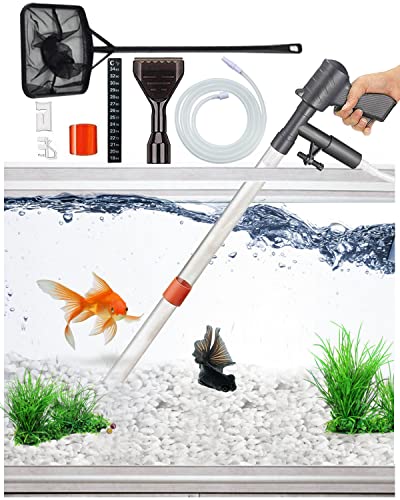
Best for multi-function cleaning without electricity. The kit uses a manual press design and a high-quality, pressure-resistant air bag to create a strong siphon that drains muddy water quickly. Its filter net helps block blockages from gravel and prevents small fish or gravel from being sucked out. Choose this if you want a comprehensive tool for gravel cleaning plus water changes without electrical power.
Why choose this
- No electricity needed; silent operation.
- Smart filtration reduces clogging risk during use.
UPETTOOLS Aquarium Gravel Cleaner

Best for versatile, electric cleaning with a 6-in-1 design. This cleaner integrates water changing, sand washing, debris removal, water filtration, water showering, and flow control. It supports both freshwater and saltwater tanks and provides a high-efficiency 28W pump with 1700 L/H flow. A caution: ensure the pump is fully submerged during operation to avoid air locking and reduced suction.
Why choose this
- One tool handles multiple maintenance tasks.
- Adjustable flow and broad compatibility with tank setups.
hygger 360GPH Electric Gravel Cleaner
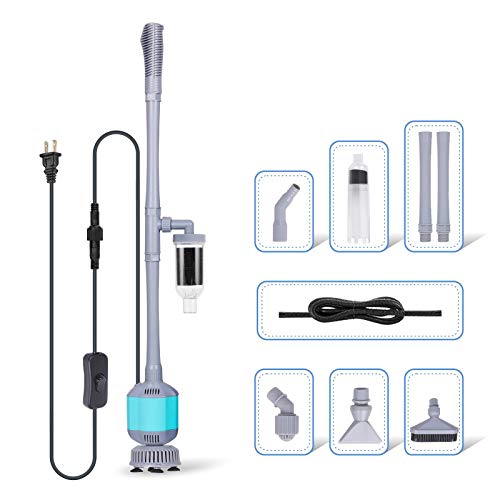
Best for medium to large tanks requiring rapid water changes. The six-foot cleaning setup extends from 11.4 inches to 40.5 inches, making it easy to reach corners. It delivers up to 360 GPH with a four-spliced tube design and a duckbill suction port for corner cleaning. Note that filtration depends on the integrity of the filter housing; check for clogging during heavy debris cleaning.
Why choose this
- High head height enables faster water changes.
- Flexible reach improves cleaning precision in larger tanks.
Buying Guide: Key Purchase Considerations
- Tank size and compatibility: Choose a cleaner that suits your aquarium’s length and depth. Some tools are designed for small tanks, others for larger systems.
- Electric vs manual: Electric cleaners offer convenience and multi-functionality, while manual siphons excel in simplicity and reliability without power.
- Flow rate and suction control: A higher flow rate speeds up water changes but may disturb substrate. Look for adjustable valves or modes to tailor suction.
- Filtration and debris handling: Consider devices with filter nets, filter cups, or internal compartments to trap waste without clogging the pump.
- Maintenance and ease of use: Favor tools that are easy to assemble, disassemble, and clean. Evaluate how often the device needs cleaning to restore efficiency.
- Safety for fish and fry: Ensure the device’s suction design minimizes risk to small or weak fish. Avoid units that continuously pull in fry or decorative decorations.
- Noise and energy use: Silent operation is desirable for bedroom or living room setups; consider energy consumption for frequent use.
Frequently Asked Questions
- Do I need an air pump for all fish poop cleaners?
Most inside-tank suction devices require an air pump to drive water flow. Some manual siphons work without electricity, but they may require more effort.
- Can these cleaners harm my fish?
When used correctly, these tools remove waste rather than disturb fish. Stay attentive to suction strength, especially with small fry or delicate species.
- How often should I perform gravel cleaning?
Regular cleaning depends on stocking levels and feeding. Many hobbyists perform a partial water change and gravel cleaning monthly to maintain clarity.
- Are electric gravel cleaners suitable for saltwater tanks?
Yes, many models support both freshwater and saltwater environments, but verify compatibility with your specific setup and media.
- What is a best-practice setup for multi-function cleaners?
Follow manufacturer guidelines for assembly, ensure secure connections, prime the system before use, and monitor flow to avoid over-stirring the substrate.