Answering the common need for easy, effective aquarium maintenance, a fish tank cleaning system helps keep gravel, sand, and water clean with minimal disruption to fish. This guide highlights five top options suited for different tank sizes, cleaning styles, and user preferences. Whether you’re a casual hobbyist maintaining a small desk tank or managing a larger setup, these picks provide reliable siphon action, debris removal, and water changes to suit your needs.
Buyer type snapshot:
- Beginners: simple, manual siphon kits with built-in safety nets for fish.
- Medium tanks: multi-function kits that combine gravel cleaning, water changing, and scrubbing.
- Advanced hobbyists: powerful pumps and longer hoses for quick, low-noise water changes.
| Product | Best For | Key Benefit |
|---|---|---|
| QZQ Aquarium Gravel Cleaner | Small to medium tanks | Multi-functional cleaning and silent operation |
| enomol Gravel Vacuum | Medium to large tanks | No-bucket, no-spill water changes |
| Tetra Water Cleaner Gravel Siphon | Up to 55 gallon tanks | Simple maintenance for regular monthly changes |
| AQQA Electric Gravel Cleaner | Busy hobbyists | 6-in-1 cleaning with strong flow |
| AQUANEAT Sponge Brush | Algae control and surface cleaning | Effective scrubbing with long handle |
QZQ Aquarium Gravel Cleaner 2026 Edition
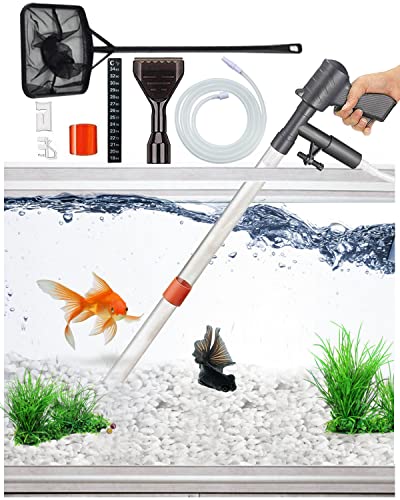
Best for: Beginners or light-duty setups that need a versatile, silent cleaning tool. Why selected: This multi-functional kit combines gravel cleaning, algae scraping, debris removal, and water changing in one design. The manual press design eliminates electrical components, offering quiet operation and safety. A filter net protects fish and gravel from being sucked out, while the siphon design speeds muddy-water removal. Limitation: Requires manual pumping to start water flow, which may take a moment for new users.
enomol Gravel Vacuum for Aquarium Water Changer

Best for: Medium to large tanks needing quick, semi-automatic water changes. Why selected: The system uses tap-water pressure to drain, with a 16.5-inch cleaning tube and built-in filter; it minimizes noise and requires no buckets. It also includes an agitation option to dislodge debris from gravel. Caution: Ensure the hose and valves are correctly sealed to prevent leaks during changes.
Tetra Water Cleaner Gravel Siphon
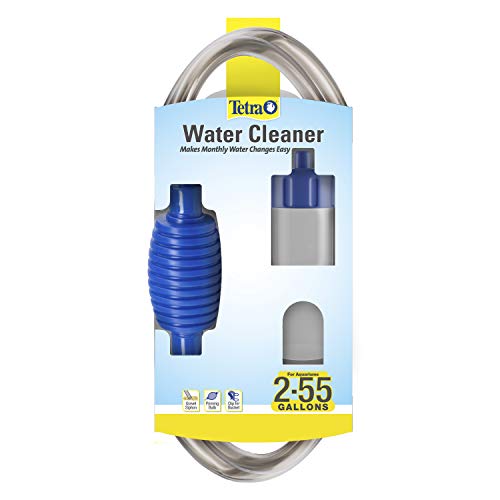
Best for: Aquariums up to 55 gallons and owners prioritizing easy, monthly maintenance. Why selected: Tetra’s cleaner is straightforward for routine gravel siphoning, designed to simplify 30% water replacements every 30 days. Limitation: It is a basic siphon; users seeking built-in filtration or extra features may prefer a multi-function model.
AQQA Electric Gravel Cleaner

Best for: Busy hobbyists who want a 6-in-1 tool for fast, comprehensive cleaning. Why selected: This cleaner handles water changing, sand washing, debris removal, surface scrubbing, filtration, and water circulation with a 320 GPH pump. The upgraded filter cup improves debris capture. Caution: The device should be fully submerged when operating to prevent pump damage or reduced flow.
AQUANEAT Algae Scraper With Long Handle

Best for: Aquariums needing consistent surface cleaning and algae control. Why selected: AQUANEAT’s double-sided sponge brush efficiently removes algae and keeps surfaces visible. The long handle aids reach and reduces bending. Limitation: Provides surface cleaning and scrubbing, but not a standalone full water-change system.
Lanswood 4-Piece Cleaning Kit

Best for: Small-to-medium tanks needing a compact, complete cleaning set. Why selected: The kit includes a siphon gravel cleaner, aquarium net, algae scraper, and sponge brush for sweeping debris and maintaining clear water. The integrated filter helps prevent fish from getting sucked into the system. Choose this if you want a compact, all-in-one starter kit. Caution: The performance depends on manual pumping and siphon setup accuracy.
Buying Guide
Key considerations when choosing a fish tank cleaning system:
- Tank size and shape: Select a system with an appropriately long hose and a nozzle design that reaches the tank bottom without stressing fish.
- Functionality: Decide whether you need a 2-in-1 gravel cleaner, a 6-in-1 multi-tool, or a dedicated algae scraper to complement water changes.
- Noise and safety: Manual systems with no electricity reduce noise and risk of electric shock. Look for built-in filters to prevent fish or small gravel from being sucked out.
- Ease of use: Consider kits that start flow with a simple pump action or have clear instructions for initial setup.
- Maintenance and longevity: Durable materials, such as sturdy plastics and secure seals, reduce wear and leaks over time.
- Water change frequency: Match the system’s capacity to your routine, whether weekly, biweekly, or monthly, to maintain stable water parameters.
FAQ
- Q: Do I need an electric gravel cleaner for a busy tank? A: Electric cleaners offer speed and automation, but manual siphon cleaners reduce risk and complexity for small tanks.
- Q: How often should I perform a gravel cleaning? A: For most setups, aim for a partial change every 1–2 weeks, with gravel cleaning during those sessions as needed.
- Q: Can these tools harm fish? A: When used correctly with a filter or safety net, most kits prevent fish from being sucked into the system.
- Q: Is a larger kit worth it for a small tank? A: If you want versatility and fewer separate tools, a multi-function kit can be convenient even for smaller tanks.
- Q: Do I still need to perform water tests? A: Yes. Regular water parameter tests help determine how much water to change and how often cleaning is necessary.
- Q: Can I use these tools on freshwater and saltwater tanks? A: Most are designed for freshwater, but always check the product specifications before use in saltwater systems.