Detailing pads accumulate wax, polish, and oils, which can reduce cutting efficiency and finish quality if not cleaned properly. The following foam buffing pad cleaners are designed to remove residues, rejuvenate pad performance, and extend pad life. This guide highlights five top choices suited for foam, wool, and microfiber pads, with practical features for home garages and professional shops alike.
| Product | Brand |
|---|---|
| Chemical Guys BUF_333_16 Foam and Wool Polishing Pad Cleaner | Chemical Guys |
| Griot’s Garage Microfiber and Foam Pad Cleaner | Griot’s Garage |
| Maxshine Car Detailing Foam Pad Conditioning Brush | Maxshine |
| Lxngyi Wool Buffing Pad Cleaning Spur Tool Set | Lxngyi |
| McKee’s 37 MK37-5005 Polishing Pad Cleaner | McKee’s 37 |
Product sections
Chemical Guys Foam And Wool Pad Cleaner

The Chemical Guys BUF_333_16 Foam and Wool Polishing Pad Cleaner uses a citrus-based formula to deeply cleanse foam and wool pads, helping to remove old wax, compounds, and residues. By preventing clogging, it maintains the pads’ cutting ability and overall performance. Regular use can extend pad life, making it a practical choice for enthusiasts who clean pads after each detailing session.
Key features
- Citrus-based cleaning power for deep cleansing
- Prevents clogging from wax and residue
- Extends pad lifespan by maintaining condition
Griot’s Garage Microfiber And Foam Pad Cleaner

The Griot’s Garage cleaner targets microfiber towels, pads, and foam by breaking down polish, wax, and sealant residues. It helps restore softness and absorbency to towels and improves pad performance by removing embedded grime that can hinder polishing results. This cleaner is positioned as a versatile option for both pads and cleaning cloths.
Key features
- Removes polish, wax, and sealant residue
- Restores softness and absorbency of microfibers
- Purposed for towels, foam pads, and similar textiles
Maxshine Foam Pad Conditioning Brush

The Maxshine Foam Pad Conditioning Brush features stiff bristles designed to agitate and lift resin and dried compounds without damaging foam, wool, or microfiber pads. It aims to restore pad fluff and maintain effective cutting and finishing. The tool’s universal compatibility makes it suitable for various polishing setups, including DA and rotary polishers.
Key features
- Stiff conditioning bristles for deep cleaning
- Safe for foam, wool, microfiber pads, and accessories
- Helps revive pad performance and prevent clogging
Lxngyi Wool Buffing Pad Cleaner Tool Set
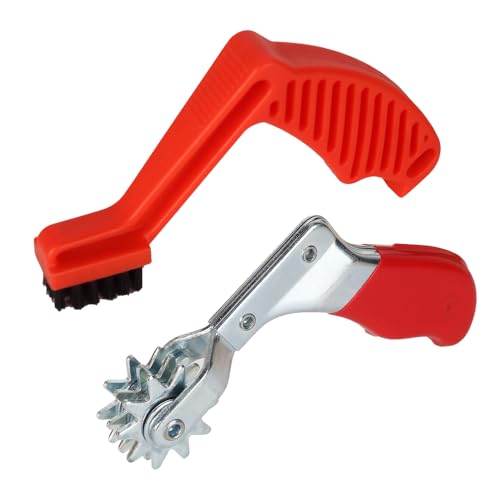
The Lxngyi set includes a wool buffing pad cleaner spur tool and a foam pad brush. Crafted from durable metal with stiff bristles, the kit helps keep pads free of fine grit and debris, protecting finishes during polishing. It’s designed for consistent maintenance of pad surfaces and longevity of buffing gear.
Key features
- Durable metal construction with stiff bristles
- Includes spur tool and foam pad brush
- Prevents grit buildup that can damage finishes
McKee’s 37 Polishing Pad Cleaner

McKee’s 37 MK37-5005 Polishing Pad Cleaner employs a strong degreasing agent to thoroughly break down oil and residues inside foam, wool, and microfiber pads. It claims to penetrate pad interiors more effectively than water or standard soapy solutions, helping to keep pads clean and ready for consistent results across sessions.
Key features
- Powerful degreasing action for deep cleaning
- Targets foam, wool, and microfiber pads
- Designed to improve longevity and performance
Buying Guide
- Pad compatibility: Choose cleaners and tools that are suitable for foam, wool, and microfiber pads, and match your polishing method (DA, rotary, or dual-action).
- Residue removal effectiveness: Look for formulas that break down wax, polish, and sealant residues rather than just surface cleaning.
- Pad life impact: Some products claim to extend pad life by preventing clogging and helping maintain pad fluff; consider this for ongoing cost savings.
- Manual vs. chemical cleaning balance: Hand tools (brushes, spur tools) provide aggressive cleaning, while spray cleaners can simplify routine maintenance. A combination approach often works best.
- Safety and materials: Ensure cleaners are safe for the pad backing and do not degrade adhesives. Consider environmentally friendly options when possible.
- Ease of use: Pre-mixed sprays and multi-use cleaners can speed up cleaning between sessions, especially in busy shops.
- Storage and disposal: Check that containers are sealable and that concentrates can be diluted safely. Proper disposal of spent cleaning solutions aligns with best practice.
- Cost vs. benefit: Weigh the upfront purchase of a pad cleaning system or specialized cleaners against the expected pad life and maintenance time.
- Usage scenario: For occasional hobby use, a targeted cleaner for pads with detergent residues may suffice; for shops, investing in a dedicated pad washer or bucket system could improve efficiency.
- Completeness of system: Some cleaners pair with tools (brushes, spur tools) to offer a comprehensive cleaning routine; evaluate whether you want an all-in-one solution or modular components.